Why Ecommerce Speed Is Becoming A Marketing Advantage
Ecommerce speed is becoming a marketing advantage in 2026 as faster launches, cleaner storefronts, and ongoing learning separate ready brands from slower teams.
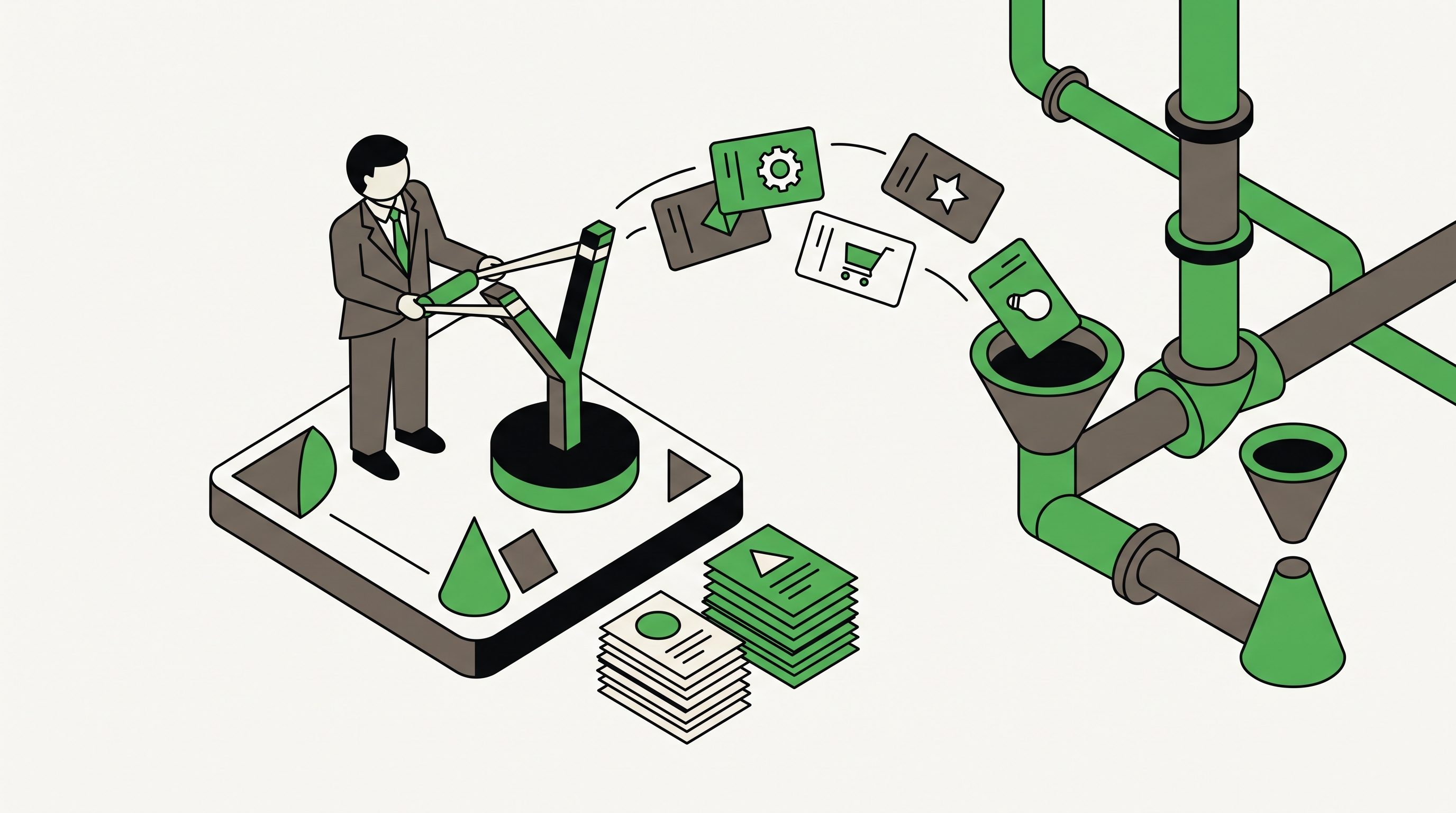
Ecommerce speed is becoming a marketing advantage, not because brands suddenly need to chase every meme, but because the gap between demand showing up and a store being ready to capture it keeps getting smaller.
That shift is clear in Shopify’s new data. In its August 13 piece on how commerce now moves at the speed of culture, Shopify says nearly 10% of new shops made their first sale within a single day of signing up, up 43% in three years, and half of new sellers now reach their first sale within about three weeks (Shopify). When it is that easy to get an offer live, slow teams stop looking careful and start looking late.
The Gap Between Idea And Launch Is Collapsing
For years, marketers treated launch speed as a startup flex. Nice to have, not a serious performance lever.
That no longer holds. If a merchant can get from idea to first sale in days, then the real question is what your team can ship while interest is still fresh. A seasonal bundle, a landing page, a new collection, cleaner offer framing, updated product photography, faster checkout paths, or better retention flows can all matter more when they happen now instead of next month.
This is also why stronger Shopify development work is not just a technical line item anymore. It is part of how marketing teams protect momentum when demand appears faster than old approval cycles were built to handle.
Speed Without Systems Turns Into Waste
Moving faster is valuable, but only if the store, tracking, and campaign structure can support the traffic you create.
Shopify’s August 5 earnings release matters here too. The company reported 34% revenue growth with growth across merchant sizes, channels, and geographies, and described that performance as broad-based and compounding (Shopify). That is a useful reminder that ecommerce growth usually comes from systems that keep working across channels, not from one lucky spike.
If your team can launch quickly but the product page is thin, the feed is messy, the checkout is clunky, or attribution is broken, speed just helps you waste budget sooner. That is the same problem we see when brands ignore the storefront and try to buy their way around it with more spend. The better move is to pair speed with the kind of operational cleanup that makes paid media optimization easier to sustain.
The Best Teams Learn Before Peak Season
Fast execution works best when it sits on top of year-round learning instead of last-minute panic.
Pinterest made that point clearly in its May 2026 guidance on always-on strategy: advertisers running shopping campaigns for six months or more saw about 33% higher ROAS than brands running them for fewer than three months (Pinterest). The point is not that every brand should be everywhere all year. It is that fast moves perform better when the account, the creative, and the landing experience have already been learning.
That is why the strongest ecommerce teams do not separate brand, paid media, merchandising, and web operations into isolated silos. Emarketed saw that kind of compounding effect with Sector 9, where paid ads work helped drive a 165% sales lift and a 254% increase in sales attributed to marketing. The gains came from a system that could convert demand, not just from buying more clicks.
What To Change Monday Morning
Treat launch speed like conversion infrastructure, not like a creative personality trait.
Audit how long it takes your team to ship a landing page, update a collection, change merchandising, launch a test, and approve new creative. Then look at what slows each step down: unclear ownership, weak templates, brittle theme work, missing analytics, or too many handoffs. In 2026, the brands that move first do not always win, but the brands that stay operationally slow give away too many easy wins before the campaign even starts.