Why Live Shopping Is Worth Testing Again
Live shopping is becoming a real trust and conversion channel in 2026, especially for brands that need more than static product pages to win.
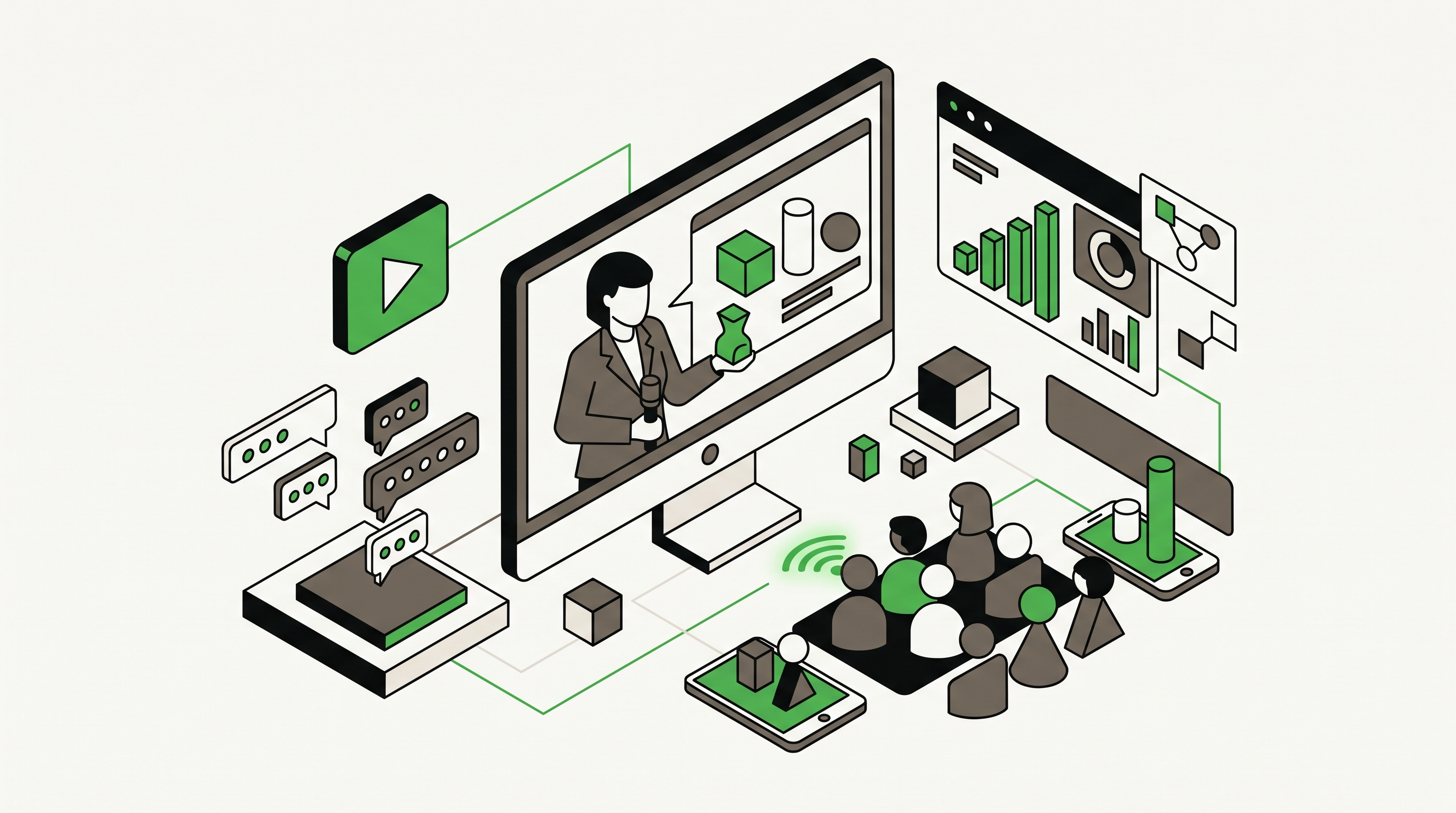
Live shopping deserves another look in 2026, not because it is trendy, but because it solves a real ecommerce problem: shoppers trust what they can see explained in real time more than another static product grid.
That shift showed up again this week when TikTok said in an August 4 newsroom update that TikTok Shop LIVE grew 55% year over year in the UK, with more than 6,000 LIVE sessions now happening each day. TikTok tied that growth to categories where shoppers care about authenticity, condition, and seller expertise. That matters far beyond sneakers and collectibles. It is the same trust problem most ecommerce brands deal with every day.
Static Product Pages Have A Trust Ceiling
Most ecommerce teams still expect a product page to do everything on its own. Show the item, list a few benefits, add a review block, and hope the buyer fills in the rest.
That works when the product is simple, cheap, or already familiar. It breaks when the shopper has even a little doubt. Fit, texture, quality, legitimacy, bundle logic, and use-case questions can all stall a purchase before the cart ever loads.
TikTok’s June update on discovery ecommerce makes the behavior change pretty clear. TikTok said US sales on TikTok Shop were up 120% over the same period last year, and that brands and creators hosted more than 8 million hours of LIVE shopping in the US during 2024. The bigger point is not the raw volume. It is that people are willing to spend time in a format that lets them watch, ask, and verify before they buy.
Live Shopping Works When The Product Needs Context
The strongest line in TikTok’s newest LIVE Shopping update is not the 55% growth figure. It is the explanation of why the format is working: shoppers want to inspect items in high definition, ask questions, and verify seller expertise in real time.
That is not a niche resale insight. It applies to any brand selling products where demonstration reduces hesitation.
Beauty brands can show texture and application. Apparel brands can answer fit questions before return risk goes up. Home brands can show scale and materials. Specialty ecommerce businesses can explain what makes one version worth more than another. In other words, live shopping works best when the buyer needs a little proof before clicking Buy Now.
That is also why the channel fits well with stronger Shopify development and direct-to-consumer marketing. A live stream should not replace the storefront. It should make the storefront easier to convert once attention gets there.
The Real Opportunity Is Not Reach, It Is Compression
A lot of marketers still treat live shopping like a top-of-funnel stunt. That misses the real advantage.
TikTok’s March announcement for TikTok for Business argued that the distance between “I saw it” and “I bought it” is getting shorter, with billions of searches happening on the platform every day and usage up more than 40% year over year. That is the opportunity. Discovery, persuasion, and action are compressing into the same session.
For brands, that means live shopping should be judged less like an awareness play and more like a trust-plus-conversion format. If the host can answer objections, show the product honestly, and create urgency without sounding scripted, the stream does work that usually gets split across product pages, retargeting, and post-click nurture.
What Most Brands Should Test First
Do not start with a weekly marathon stream and a pile of discount codes.
Start with one product family that already gets pre-purchase questions. Pick a host who actually knows the item. Build the stream around demonstration, comparison, and objection handling. Then measure the downstream signals that matter: assisted revenue, add-to-cart rate, return rate, repeat purchase behavior, and clips you can reuse in paid and organic creative.
That is the practical reason live shopping is worth testing again. It is not about copying creator culture or chasing another shiny format. It is about giving buyers more confidence at the exact moment they are deciding whether to trust you.
The brands that win this channel will not be the loudest ones. They will be the ones that treat live shopping as proof, not performance.