Social Video View Counts Are Getting Less Useful
YouTube's August 24, 2026 view-count change makes one problem harder to ignore: social video views are inconsistent across platforms and weak on their own.
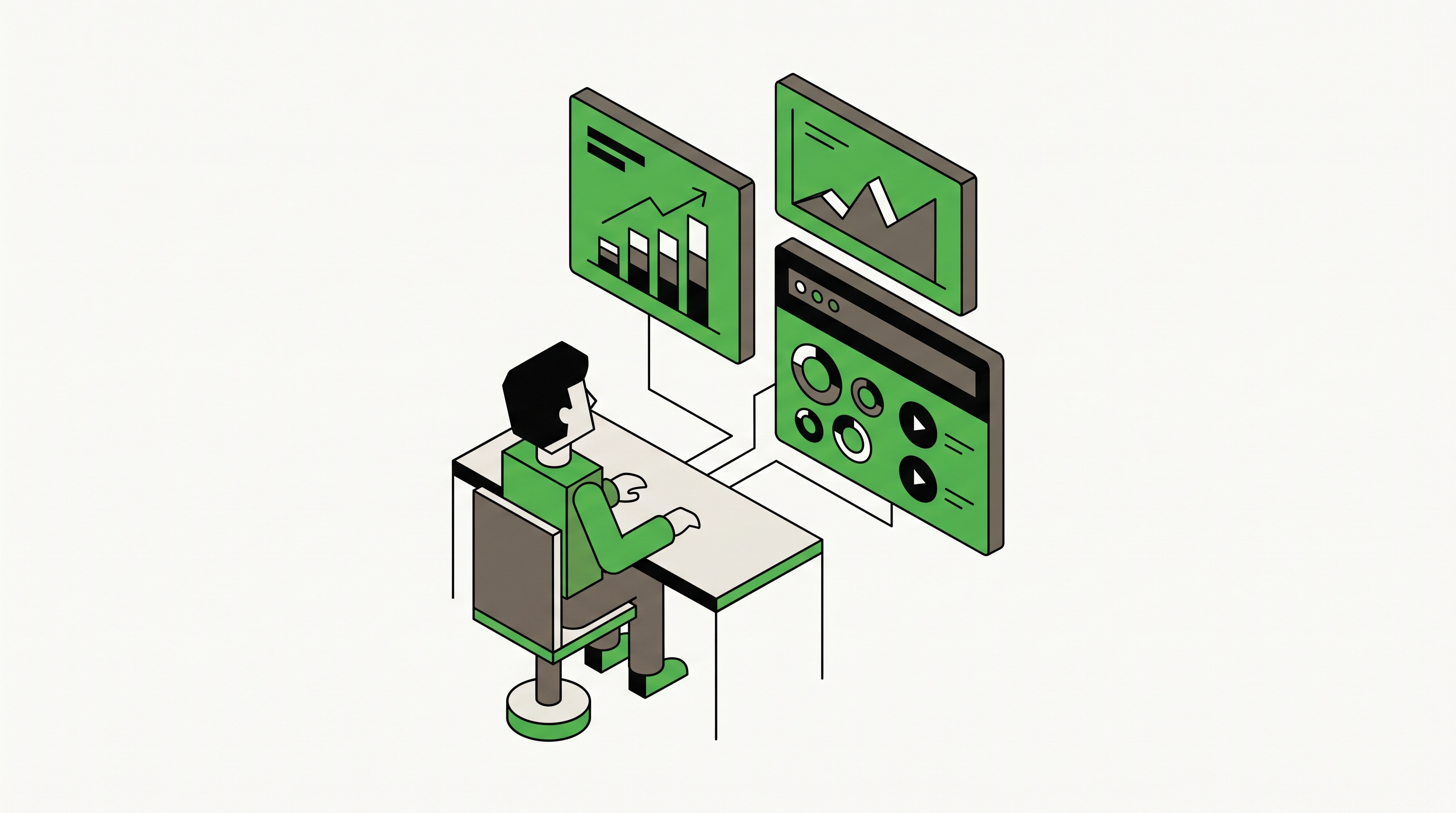
Social video views are getting less useful as a headline metric, and YouTube just made that harder to ignore.
Beginning on August 24, 2026, YouTube says a view will count the moment a video starts to play across Shorts, long-form videos, and live streams. The company also says this will not change YouTube Partner Program earnings or eligibility, which will still rely on engaged Shorts views and qualified watch hours. That split tells marketers something important: even the platform changing the public number does not treat the public number as the serious business metric.
If you manage social for a local business, a B2B company, or a healthcare brand, this is the takeaway: stop reporting video views as if they mean the same thing everywhere.
The Same “View” Does Not Mean The Same Thing
This is the reporting problem most teams gloss over.
On LinkedIn, the platform says an organic video view is a watch of more than 2 seconds. In LinkedIn Campaign Manager, a paid view requires 2 continuous seconds while the video is at least 50% on screen.
On TikTok, video views count when the video starts to play, while 2-second and 6-second video views live as separate metrics. On YouTube, starting Monday, August 24, 2026, public views across all formats also move to a starts-playing standard.
That means a weekly report can show three platforms all producing “views” while measuring three different levels of attention. Put those totals into one neat chart and you get a clean-looking lie.
Higher View Counts Do Not Automatically Mean Better Social Performance
That point matters more now because plenty of teams still use views as shorthand for success.
HubSpot’s 2026 marketing statistics page says 40% of marketers now treat lead quality and marketing qualified leads as their most important success metric, more than any other option. Social reporting should catch up to that reality.
If your audience is high-consideration buyers, raw view totals can be one of the weakest signals in the stack. A roofing company, treatment center, software firm, or professional services brand does not need thousands of low-attention plays from the wrong people. It needs the right prospects to watch long enough to understand the offer, click through, and keep moving.
That is why the more useful question is not “How many views did this get?” It is “Did this content move the buyer any closer to trust?”
What To Track Instead
View counts still have some directional value. They can help you spot reach spikes, platform distribution changes, or creative that earns more initial attention. They just should not carry the presentation by themselves.
For most Emarketed-style accounts, better video reporting starts with:
- watch time or average watch time
- percentage watched or completion rate
- clicks to site or profile
- comments, saves, shares, and direct messages
- assisted conversions, branded search lift, or lead quality downstream
That is especially true for the kinds of brands covered in our earlier post on social media for businesses that are not pretty or viral. Social often works best there as a trust layer, not as an entertainment scoreboard.
If a video gets fewer views but produces stronger site visits, better inquiry quality, or more informed sales conversations, that is the better asset.
The Monday Morning Fix
Audit your current social dashboard before YouTube’s August 24, 2026 change muddies the picture further.
Separate “plays” from “attention” and separate “attention” from “business impact.” Stop stacking platform view totals into one blended KPI. Build a simple reporting layer that shows what each platform actually counts, then pair that with the downstream actions your team cares about.
That is how social media management gets more honest. Not by pretending every view is equal, but by treating video exposure, video attention, and commercial impact as three different things.