Your Paid Media Problem Might Be After The Click
Paid media performance often breaks after the click, not before it. Landing-page clarity, trust, and next steps matter more than ever in 2026 campaigns.
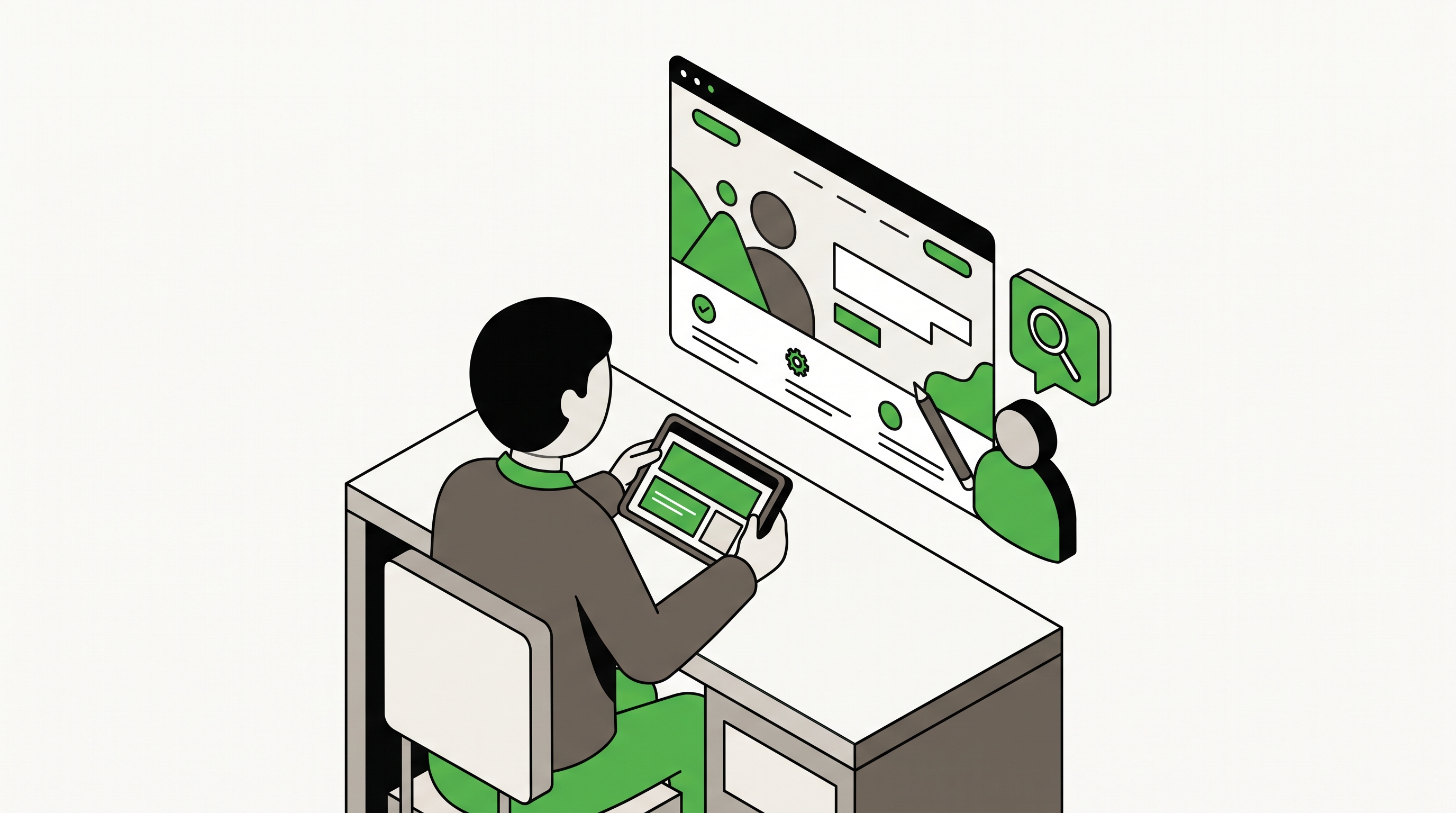
Your paid media problem might be after the click, not before it.
Microsoft said on August 12 that paid search marketers spend a lot of time optimizing what happens before the click, even though some of the biggest performance gains often happen after it (Microsoft Advertising). That lines up with what plenty of accounts look like in real life: targeting gets blamed first, while the landing page quietly leaks intent.
If the ad promise is solid and the traffic is relevant, but the page feels vague, slow, confusing, or thin on proof, the campaign does not really have a traffic problem. It has a conversion problem.
The Platform Is Not Always The Problem
When a campaign underperforms, most teams look at bids, audiences, keywords, and creative first. Those are fair places to look. They are also the most crowded places to look.
The less comfortable question is what a buyer sees when they land. Microsoft makes the point directly: visitors often arrive on a page and do not know what to do next (Microsoft Advertising). That is not a small UX miss. It changes how every click gets valued.
This is why stronger paid ads management cannot stop at campaign setup. The ad and the destination page have to work as one system. If they do not, you end up paying to expose weaknesses your team never fixed.
Most Leakage Looks Pretty Ordinary
Baymard’s current cart abandonment benchmark puts average abandonment at 70.22%, with 17% of shoppers abandoning because checkout is too long or complicated and another 17% because the site had errors or crashed (Baymard Institute). Those numbers are ecommerce-specific, but the lesson applies far beyond product pages.
For lead-gen brands, the same friction shows up in different clothing: weak page hierarchy, generic headlines, form overload, missing trust signals, confusing next steps, slow mobile rendering, or offers that feel broader than the ad that brought the click.
None of that looks dramatic in a dashboard. It just shows up as traffic that costs money and hesitates at the exact moment it should convert.
Better Diagnosis Starts With Behavior
The useful shift is to stop asking only who clicked and start asking what they did next.
Session recordings, heatmaps, form analytics, and landing-page path reviews are not extra credit anymore. They are how you separate a targeting issue from a page issue. If people click, scroll, stall, re-read, rage-click, or abandon at the same spot, that is strategy data. It tells you the page is failing to carry the intent your ads created.
That is also why the best fix is not always more traffic. Sometimes it is a clearer offer, tighter message match, fewer form fields, stronger proof, or a page that respects the buyer’s actual decision process. Emarketed saw how much that matters with Sector 9, where paid ads work helped drive a 42% lift in conversion rate alongside a 165% sales increase. We broke down a related version of that issue in Landing Page Mistakes That Kill Lead Quality, and it keeps showing up because teams still treat conversion friction like a creative problem instead of a systems problem.
What To Do This Week
Pull one campaign that looks expensive but salvageable. Then review the post-click path like a skeptical buyer, not like the account owner.
Check whether the headline matches the ad. Check whether the page explains fit fast enough. Check whether proof appears before doubt does. Check whether the form asks for more than the intent justifies. Check whether mobile users can move through the page without friction.
If your team does that consistently, you will find that some campaigns do not need more spend, broader targeting, or another round of ad testing. They need a page that deserves the click.