Only 14% of Marketers Track AI Citations. That Is About to Hurt.
Only 14% of marketers track AI search citations even as 89% of brands already appear in them. Here's how agencies should fix reporting before AI Mode shifts more demand.
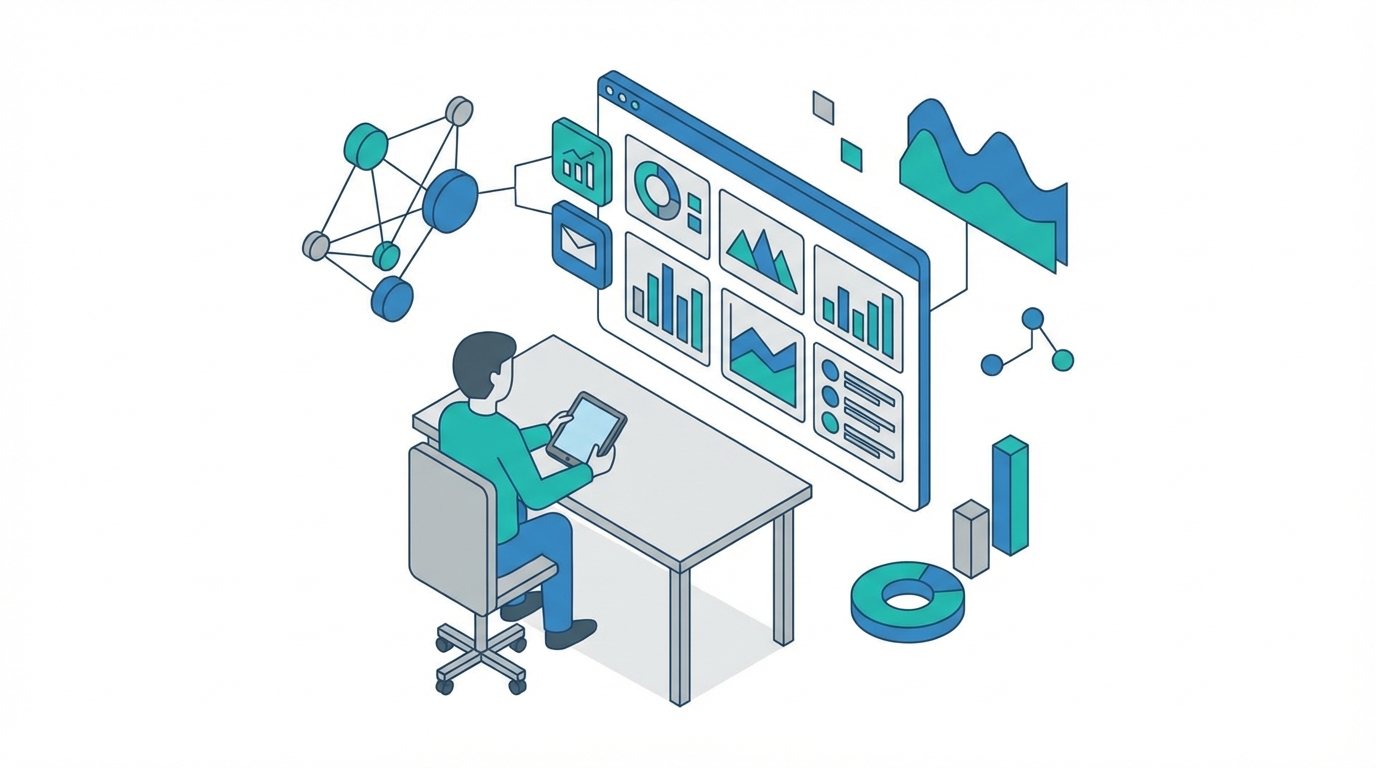
Only 14% of marketers track AI search citations, according to a new GoodFirms study published April 7. At the same time, that same study says 89% of brands are already appearing in AI-generated results.
That gap is the story.
Most brands are visible in AI search. Most agencies cannot prove where that visibility shows up, what pages get cited, or whether it turns into pipeline. That was already a problem when AI Overviews were swallowing clicks. It gets worse as Google expands AI Mode, adds more commercial placements, and trains users to stay inside a conversational result instead of visiting ten websites.
If you run marketing for a healthcare group, a B2B company, or a regional business, this is no longer a niche reporting issue. It is a budget allocation issue. Teams that still report success with rankings, sessions, and blended Search Console clicks are going to miss where discovery is actually happening.
This post explains what changed, why traditional reporting is falling behind, and what agencies should track now if they want to stay credible.
The new problem is not visibility, it is invisible visibility
The old SEO problem was simple: you wanted to rank, get the click, and convert the visit.
The 2026 version is messier. Your brand can be present in ChatGPT, Perplexity, Gemini, or Google AI answers without producing a clean analytics trail. A user can see your brand name in an answer, absorb your positioning, and never click. Another user can click a cited page after reading a synthesized answer, then convert at a much higher intent level than a typical organic visitor. A third user can encounter your brand in Google’s AI Mode and move into a paid placement or commerce panel before your analytics platform gives you any clear attribution.
That is why the GoodFirms number matters. If only 14% of marketers are tracking AI citations, then most teams are looking at the wrong scoreboard while the field is changing underneath them.
GoodFirms also reports that nearly 60% of Google searches now end without a click. That lines up with what marketers have been feeling for months: brands are getting impressions and mentions without the same traffic reward they used to expect from search.
The practical issue is not just reduced traffic. It is reduced clarity. When visibility and traffic stop moving together, old dashboards start telling half-truths.
Google’s AI Mode is turning the reporting gap into a bigger agency problem
This week was another reminder that Google’s AI surface is becoming its own environment, not just a feature attached to standard search.
PMG’s recent breakdown of what search advertisers need to know about Google AI Mode describes a search experience built around conversational queries, multimodal input, follow-up prompts, and query fan-out. That matters because AI Mode does not just rank a page. It interprets a question, splits it into subtopics, and decides which sources deserve to support the answer.
At the same time, PPC Land documented new sponsored store placements and quick web results inside AI Mode, based on Glenn Gabe’s observations. In plain English: Google is layering paid and organic opportunities into the same conversational interface. That means your search visibility is no longer just organic versus paid. It is now citation presence, direct quick-link presence, merchant panel presence, and ad presence inside an AI-generated flow.
That is a major reporting problem for agencies.
A client who asks, “How are we doing in search?” is not really asking for average position anymore. They are asking whether their brand is present at the moment discovery happens. If the answer lives inside AI Mode, then a ranking report is not enough.
This is where agencies will either look sharp or dated.
The sharp answer sounds like this: we tracked whether your brand was cited in AI answers for your priority queries, which pages were used as sources, how those cited pages performed in engagement and conversion, and whether your visibility shifted by platform.
The dated answer sounds like this: your impressions were up, CTR was down, and average position changed a little.
One of those sounds like strategy. The other sounds like you are reading back telemetry from a system you no longer understand.
Why this matters more in healthcare and other high-trust categories
Healthcare marketers should be especially alert here.
Perplexity Health launched in late March, connecting Apple Health, wearables, lab results, and electronic health records into a personalized AI search experience. Whether you think Perplexity will dominate healthcare or not is almost beside the point. The point is that health-related discovery is moving toward interfaces that synthesize, personalize, and cite sources before a patient ever reaches a provider website.
That changes what it means to be “found.”
If a behavioral health provider has strong rankings but weak AI citation presence, it can lose visibility at the exact moment a patient is forming trust. If a medical practice has good traffic but is absent from cited answers, it may be technically visible and strategically invisible at the same time.
We have seen this tension in real client work. Seasons in Malibu holds 4,200+ keyword rankings and 814K+ monthly social impressions, a full-service result that covers SEO, AEO, paid search, social, and web. Their organic traffic has felt the zero-click pressure that affects the whole market, but their AI mentions grew from 49 to 122. That is the kind of shift standard SEO reporting can understate if it only focuses on clicks.
Healthcare is not alone here. B2B, legal, financial, and high-consideration local services all depend on trust and informed comparison. AI search compresses that evaluation stage. If your brand is cited clearly and repeatedly, you gain leverage. If your brand is absent, the prospect may never put you on the shortlist.
The old SEO dashboard is now missing the most useful layer
Most reporting stacks still center on four inputs:
- rankings
- impressions
- clicks
- conversions
Those are still useful, but they are no longer enough on their own.
Here is what they miss.
They do not show citation frequency. You can rank for a query and still fail to appear in the AI answer that the user actually reads.
They do not show source-page selection. AI systems do not always cite the page you would expect. Sometimes an FAQ, service page, glossary, or old resource gets pulled in first.
They do not show platform variance. Your brand may appear in ChatGPT and vanish in Perplexity, or show up in Perplexity and get ignored by Google’s AI answer layer.
They do not capture zero-click brand lift. A user can see your name, your positioning, and a competitor comparison without generating a visit.
They flatten intent. AI-referred visits usually arrive after the user has already processed a synthesized answer, which means those visitors often behave differently from standard organic traffic.
This is why AI search reporting needs its own layer, not just a note at the bottom of a legacy SEO report.
If you want to stay ahead of this, the core reporting question changes from “How many clicks did we get?” to “Where are we showing up when AI systems answer the questions that matter to revenue?”
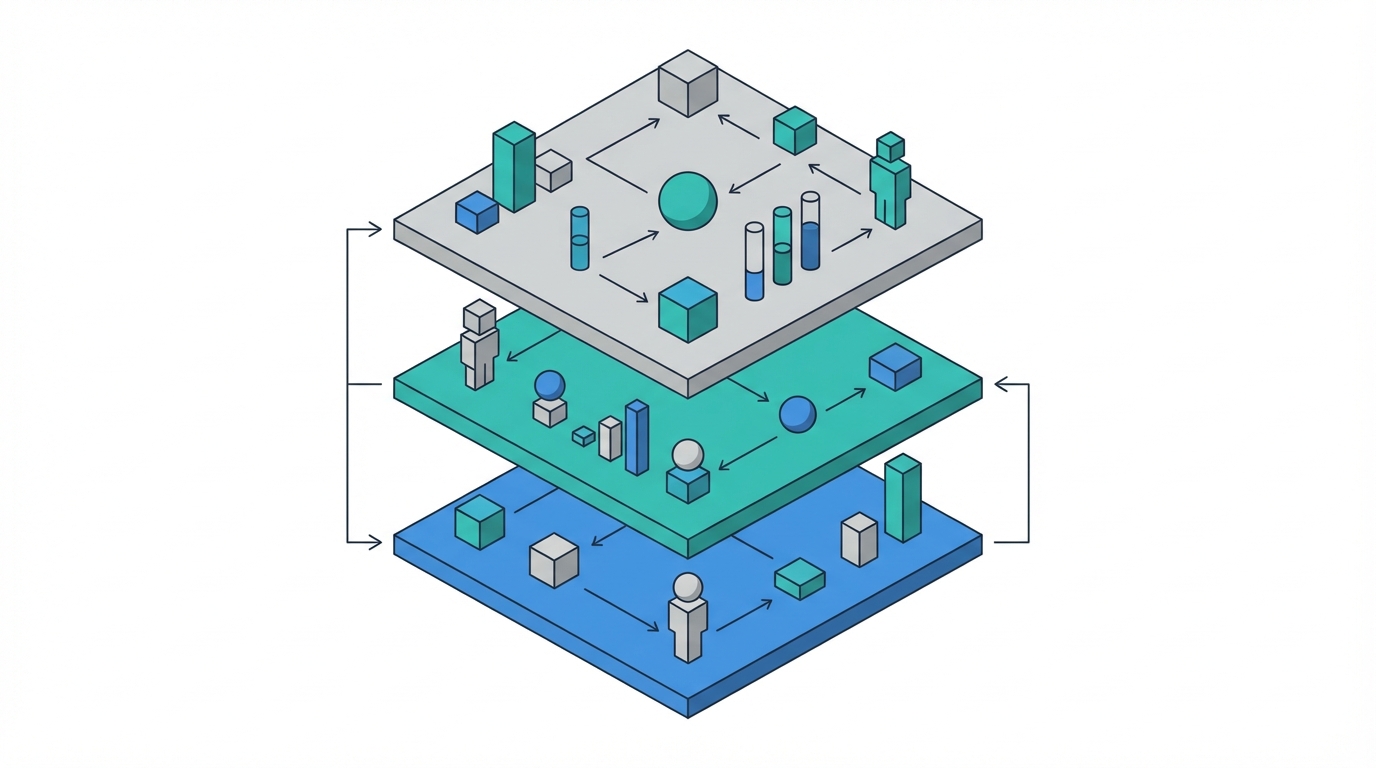
What agencies should track now
If I were rebuilding an agency search report for 2026, I would add five sections immediately.
1. Priority query citation tracking
Pick the questions that actually matter to business outcomes. Not 5,000 keywords. Start with 20 to 50 priority prompts across branded, non-branded, comparison, local, and transactional intent.
Then monitor whether your brand appears in:
- Google AI Overviews
- Google AI Mode where available
- ChatGPT search results
- Perplexity
- Gemini or other relevant assistants for your vertical
The goal is not vanity visibility. The goal is to know where your brand is present when buyers ask high-value questions.
2. Source page mapping
When your brand does get cited, which page earns the citation?
This matters because AI engines often reward pages with direct answers, strong structure, fresh information, and clear trust signals. If your services page is never cited but your FAQ page is, that tells you something useful about what to improve.
3. AI referral segmentation in analytics
Your analytics setup should isolate identifiable AI referrals from sources like chatgpt.com and perplexity.ai. It will not be perfect. Some AI traffic still gets buried in direct or other buckets. But imperfect segmentation is better than pretending the channel does not exist.
4. Conversion quality by AI source
Do not stop at session counts. Compare engagement rate, conversion rate, form-fill quality, assisted conversions, and sales outcomes for AI-referred visitors versus traditional organic.
This is often where the reporting conversation gets more interesting. Lower volume can still mean higher value.
5. Prompt-level content gaps
Each reporting cycle should identify which important questions trigger AI answers where your brand is absent. Those become content, structured-data, and trust-signal priorities for the next sprint.
That is a much more useful planning loop than “we dropped from position 3 to position 5 on a head term.”
If you want a fast starting point, Emarketed’s AI Search Optimizer is one of the few tool links worth using here, because it helps turn AI visibility checks into a repeatable operating process instead of random screenshots.
What content is most likely to close the gap
The brands winning citations right now tend to do four things well.
First, they answer the question directly near the top of the page. AI systems do not reward throat-clearing.
Second, they structure pages in a way that makes extraction easy: strong headings, clean FAQ sections, bullet lists where appropriate, and clear page intent.
Third, they support claims with evidence. That can mean original data, named authors, regulatory context, or specific examples from real work.
Fourth, they keep high-value pages current. AI systems are more comfortable citing pages that look maintained, especially in fast-moving categories.
That does not mean every page should become a generic AI-friendly template. It means your best pages should be written so both humans and models can understand exactly what claim the page exists to support.
A good test is simple: if an LLM had to quote one paragraph from your page to answer a buyer question, would that paragraph be clear, current, and credible enough to use?
If the answer is no, the page probably needs work.
The reporting conversation clients need now
Clients do not need a lecture on AI search theory. They need a clearer explanation of what changed and what you are doing about it.
A strong agency conversation sounds like this:
- Search discovery is fragmenting across Google, ChatGPT, Perplexity, and other AI systems.
- Clicks are no longer the only sign of visibility.
- We are tracking where your brand is cited, where it is absent, and which pages are influencing AI answers.
- We are tying that visibility to engagement and conversion quality where possible.
- We are updating content and technical structure based on those findings.
That framing does two important things. It makes the client smarter, and it gives your team a defensible measurement model for a search environment that no longer behaves like 2022.
It also creates a more honest conversation about what search success looks like. Sometimes the right outcome is not more traffic. Sometimes it is stronger presence in the answer layer that shapes purchase decisions upstream.
For brands in healthcare, B2B, and high-trust local markets, that answer-layer presence can influence the lead before the visit ever happens.

FAQ
Why are AI citations different from traditional rankings?
Traditional rankings measure where your page appears in a list of search results. AI citations measure whether an AI system actually used your content as part of its answer. You can rank well and still be absent from the answer the user reads.
Can AI visibility matter if it does not send a click?
Yes. AI answers can shape brand perception, shortlist creation, and buying decisions before a user ever visits your site. In zero-click environments, being cited can still influence revenue even when traffic stays flat.
Which businesses should care most about AI citation tracking?
Healthcare organizations, B2B firms, legal practices, financial brands, and local service businesses should care the most because trust and comparison matter heavily in their buying process. If AI systems help buyers decide who looks credible, citation presence becomes strategic.
What should we track first if we are starting from zero?
Start with a small set of high-value prompts, monitor whether your brand is cited across major AI platforms, map which pages get cited, and segment identifiable AI referral traffic in analytics. That gives you enough signal to start improving pages and reporting intelligently.
Does Google Search Console solve this yet?
Not fully. Search Console is still useful, but it does not give you a complete view of AI citation behavior across platforms, nor does it explain zero-click brand lift. You need a broader reporting layer.
What to do Monday morning
Pull your last client or in-house search report and ask one uncomfortable question: if discovery shifted from clicks to citations over the last 90 days, would this report tell me?
If the answer is no, fix that first.
Start with 20 priority prompts. Check the answer layer across the platforms your buyers actually use. Record which brands get cited, which pages win, and where your brand is missing. Then rebuild your next content sprint and your next monthly report around that reality.
Because the problem is no longer that brands cannot get seen.
It is that they are being seen in places most marketers still are not measuring.