How To Optimize Your Content For ChatGPT Search
Learn how to optimize your content for ChatGPT search and ensure your brand gains visibility in AI-generated responses by leveraging effective strategies beyond SEO.

Ranking in Google is no longer enough. If your brand is not being cited, summarized, or recommended by AI assistants, you are missing visibility at the exact moment people ask for solutions. That is why content teams need a real strategy for ChatGPT search, not just traditional SEO with a new label.
ChatGPT does not evaluate pages the same way a classic search engine does. It pulls from a mix of indexed web content, trusted sources, structured information, brand signals, and pages that make answers easy to extract. If you want your content to show up more often in AI-generated responses, you need to write for retrieval, clarity, authority, and citation value.
This is where answer engine optimization becomes practical. It is not about chasing hacks. It is about making your expertise easy for machines to identify and easy for humans to trust. Brands that do this well tend to earn more mentions across ChatGPT, Perplexity, Google AI Overviews, and other answer-driven platforms. If you need a deeper service-led approach, Emarketed’s AEO service and dedicated AEO insights cover the operational side.
Understand What ChatGPT Needs From Your Content
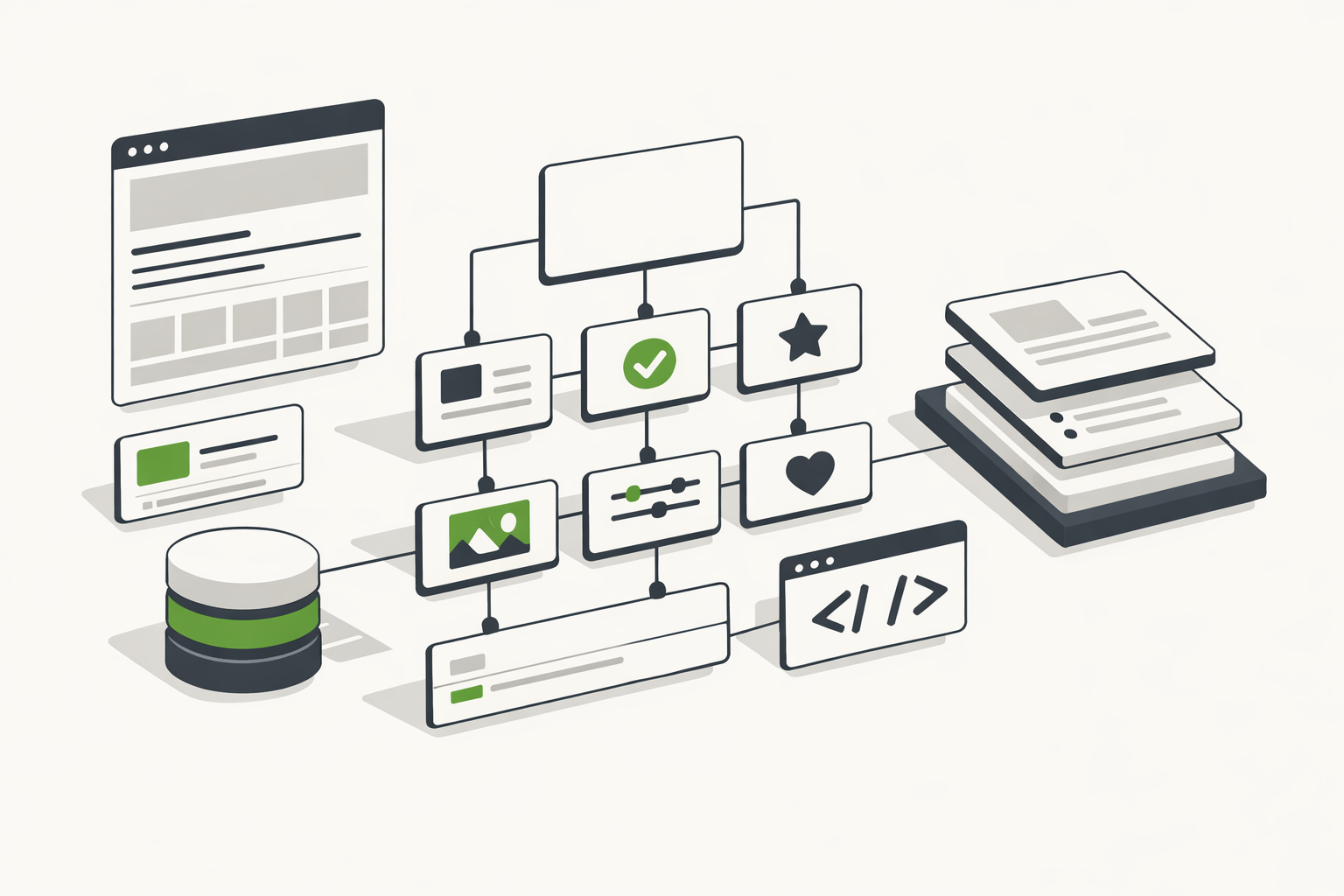
ChatGPT favors content that is easy to interpret, specific enough to quote, and credible enough to rely on. That means your page should do more than target keywords. It should clearly answer a question, define the topic, support claims, and reinforce who is saying it.
Think of your content as source material. If a page buries the answer under branding copy, vague claims, or long scene-setting intros, it becomes harder for an AI system to extract a clean response. If a page states the answer early, uses descriptive subheads, and supports the point with details, it becomes much more useful.
That is the core shift behind chatgpt search optimization. You are not only trying to rank. You are trying to become the page an answer engine can confidently summarize or cite.
Start With Answer-First Content Structure
The fastest way to improve AI visibility is to tighten your formatting. Most websites still write pages as if readers will patiently scroll until they find the point. They will not, and AI systems should not have to either.
Put The Direct Answer Near The Top
Open each page or section with a plain-language answer to the main query. Then expand with explanation, examples, steps, or caveats. This gives answer engines a clean passage to pull from and gives readers immediate value.
For example, if your page targets “how long does local SEO take,” say the typical range in the first paragraph. Then explain what affects the timeline. That structure works better than writing three paragraphs about why local SEO matters before answering the question.
Use Headings That Match Real Questions
Strong H2s and H3s help both users and machines understand the page. Use headings that reflect how people actually ask for information, such as “What Signals Help ChatGPT Trust A Page” or “How Structured Data Supports AI Retrieval.”
This also creates modular content blocks. AI systems often extract a specific section, not the whole article. If each section can stand on its own, your page becomes easier to reuse in generated answers.
Keep Paragraphs Tight And Specific
Short paragraphs improve scannability and extraction. Two to four sentences is usually enough. Avoid filler, throat-clearing, and generic statements that say nothing measurable.
If you are trying to optimize for chatgpt, clarity is a competitive advantage. Dense, unfocused writing makes your expertise harder to detect.
Build Strong Entity Signals Across Your Site
AI systems do not only evaluate a page. They evaluate the entity behind it, your brand, your authors, your services, your location, and your topical associations. If those signals are weak or inconsistent, your content is less likely to be treated as a reliable source.
Make Your Brand Identity Unmistakable
Your site should clearly state who you are, what you do, who you serve, and where you operate. That means consistent business descriptions, service pages with real depth, author bios, about pages, and contact details that align across the web.
For agency owners, healthcare groups, and B2B firms, this matters more than many realize. AI tools are better at recommending brands that look established and coherent across multiple sources.
Connect Authors To Real Expertise
Author pages are not optional if you publish thought leadership. Include credentials, experience, niche focus, and links to other authored content. If a medical, legal, or financial topic is involved, the expertise signal matters even more.
ChatGPT may not “rank” author bios in the classic sense, but clear authorship helps reinforce trust and topical authority. It also gives journalists, researchers, and AI systems more context about why your content deserves attention.
Reinforce Topic Clusters
One article rarely carries the full weight of authority. Build supporting pages around the same subject so your site demonstrates depth. A treatment center, for example, should not publish one page on admissions and stop there. It should cover insurance, levels of care, conditions treated, timelines, FAQs, and outcomes where appropriate.
This is one of the foundations of effective chatgpt optimization. You want your site to look like a dependable body of knowledge, not a single isolated page.
Use Structured Data To Reduce Ambiguity
Structured data helps search engines and AI systems interpret what your content represents. It does not guarantee citations, but it improves clarity around entities, page purpose, and key attributes.
Prioritize The Schema Types That Support Understanding
For most brands, the useful starting points are Organization, LocalBusiness, Person, Article, FAQPage, Service, Product, and BreadcrumbList schema. Healthcare, ecommerce, and professional services may have additional relevant types depending on the page.
The goal is not to stuff every schema type into the site. The goal is to mark up the information that removes doubt. Who published this? Who wrote it? What service is this page about? What question does this page answer?
Keep Structured Data Aligned With Visible Content
Schema should reflect what users can actually see on the page. If your markup says a page includes FAQs, ratings, or service details that are not visible or are misleading, that weakens trust. Clean implementation matters more than volume.
It is also smart to review schema whenever templates change. Many sites break markup during redesigns and never notice. That is a quiet visibility loss.
Write Content That Is Easy To Cite
Answer engines prefer passages they can summarize cleanly. If your article rambles, hedges too much, or avoids specifics, it becomes less useful as a source.
Use Definitions, Lists, And Comparisons
Definitions work well because they provide direct, quotable language. Lists work because they break complex topics into discrete points. Comparisons work because they help users choose between options, which is a common AI search behavior.
For example, instead of saying “different CRM tools have various advantages,” create a section that compares three tools by price, fit, and limitations. That is much easier for an AI assistant to cite or paraphrase.
Add Original Specificity
Generic content is everywhere. What stands out is original framing, operational detail, firsthand examples, internal benchmarks, and experience-based caveats. If everyone says “site speed matters,” that is not memorable. If you explain how reducing template bloat improved crawl efficiency and conversion rate on a regional service site, that becomes useful.
Specificity is especially important for B2B and healthcare brands. These are high-trust categories, and AI systems tend to favor clearer, better-supported material over broad marketing copy.
Earn Mentions In Trusted Sources Outside Your Site
Your website is only part of the picture. ChatGPT and similar systems are more likely to surface brands that are discussed elsewhere, especially in places that already carry authority.
Focus On Digital PR And Expert Citations
Get your experts quoted in industry publications, local news, association sites, podcasts, and high-quality roundups. These mentions help validate your entity and create off-site corroboration.
Google’s own guidance on creating helpful, people-first content emphasizes expertise and trust signals, which still matter in AI-mediated discovery: https://developers.google.com/search/docs/fundamentals/creating-helpful-content.
Strengthen Third-Party Profiles
Review platforms, business directories, LinkedIn company pages, provider listings, and association memberships all contribute to your brand footprint. Consistency matters. If your positioning differs across profiles, AI systems get mixed signals about what you actually do.
For local and regional businesses, this can directly affect whether your brand is mentioned when users ask for nearby recommendations. For healthcare facilities, trusted directory presence can be a major credibility layer.
Cover The Supporting Technical Basics
Content quality matters most, but technical friction can still limit visibility. If your pages are hard to crawl, slow to load, or blocked in key areas, you are making retrieval harder than it needs to be.
Make Important Pages Crawlable And Indexable
Check robots directives, canonicals, sitemap coverage, and internal linking to make sure priority pages can actually be discovered and understood. A strong article hidden three clicks deep with weak internal support is less likely to perform well in search or AI retrieval.
Improve Page Experience And Content Cleanliness
Heavy popups, intrusive interstitials, and cluttered layouts reduce usability. They also make pages feel lower quality. Fast, clean pages with obvious hierarchy tend to work better for both human readers and search systems.
OpenAI’s own documentation on web search and browsing points to the growing role of retrieved web information in AI responses: https://platform.openai.com/docs/guides/tools-web-search.
Measure What AI Visibility Actually Looks Like
Traditional SEO reporting will not tell the full story. Rankings and organic traffic still matter, but they do not show whether AI assistants mention your brand, cite your pages, or frame your category accurately.
Track Mentions, Citations, And Prompt Coverage
Build a prompt set based on your commercial and informational queries. Then test whether your brand appears, how often it appears, and what sources are being referenced. Look for patterns by topic, geography, and intent.
This is where many teams realize they have strong rankings but weak AI presence. The content exists, but it is not structured or supported in a way that answer engines prefer.
Compare Your Brand Against Competitors
If competitors are being cited more often, study why. They may have better schema, stronger third-party mentions, clearer service pages, or more quotable educational content. AI visibility is rarely random. It usually reflects a cleaner authority stack.
FAQ
Does ChatGPT Use Traditional SEO Signals?
Yes, indirectly. Crawlability, authority, relevance, and quality still matter. But answer engines place extra value on extractable answers, entity clarity, and trusted corroboration across the web.
Is Structured Data Required For ChatGPT Search Visibility?
No, but it helps reduce ambiguity. Structured data makes it easier for systems to understand who published the content, what the page is about, and how it fits into your broader site.
What Types Of Content Perform Best In AI Search?
Pages that answer a clear question, define a topic, compare options, explain a process, or provide expert guidance tend to perform well. Thin opinion pieces and vague service copy tend to perform poorly.
How Is AEO Different From SEO?
SEO focuses on search visibility and clicks. AEO focuses on being cited, summarized, and recommended inside answer engines. The best strategy combines both rather than treating them as separate silos.
How Long Does It Take To See Results?
It depends on your authority, content quality, and competitive space. Some brands see improved AI mentions within weeks after restructuring key pages. In tougher markets, it usually takes sustained work across content, technical SEO, and off-site authority.
What To Do Next If You Want More AI Citations
Start with your highest-value pages. Rewrite them in answer-first format, tighten headings, add relevant schema, strengthen author and brand signals, and look for opportunities to earn third-party mentions. Then test whether AI assistants can accurately surface and summarize what you offer.
If your team wants expert help building that system, Emarketed’s AEO service is designed for brands that need more than surface-level SEO updates. You can also explore the latest strategy and examples in Emarketed’s AEO content hub, then prioritize the pages most likely to influence pipeline, referrals, and branded demand.