How to Optimize for ChatGPT Search: An AEO Agency Guide
An AEO agency guide to optimizing for ChatGPT search — how to get your business found in AI-powered results from ChatGPT, Perplexity, and more.
More people are skipping Google entirely and asking ChatGPT, Perplexity, and other AI search tools for answers. If your business is not showing up in these conversations, you are missing out on a growing chunk of potential customers.
Here is how to optimize for ChatGPT search and get your brand discovered in AI-generated answers.
What Is AI Search Optimization
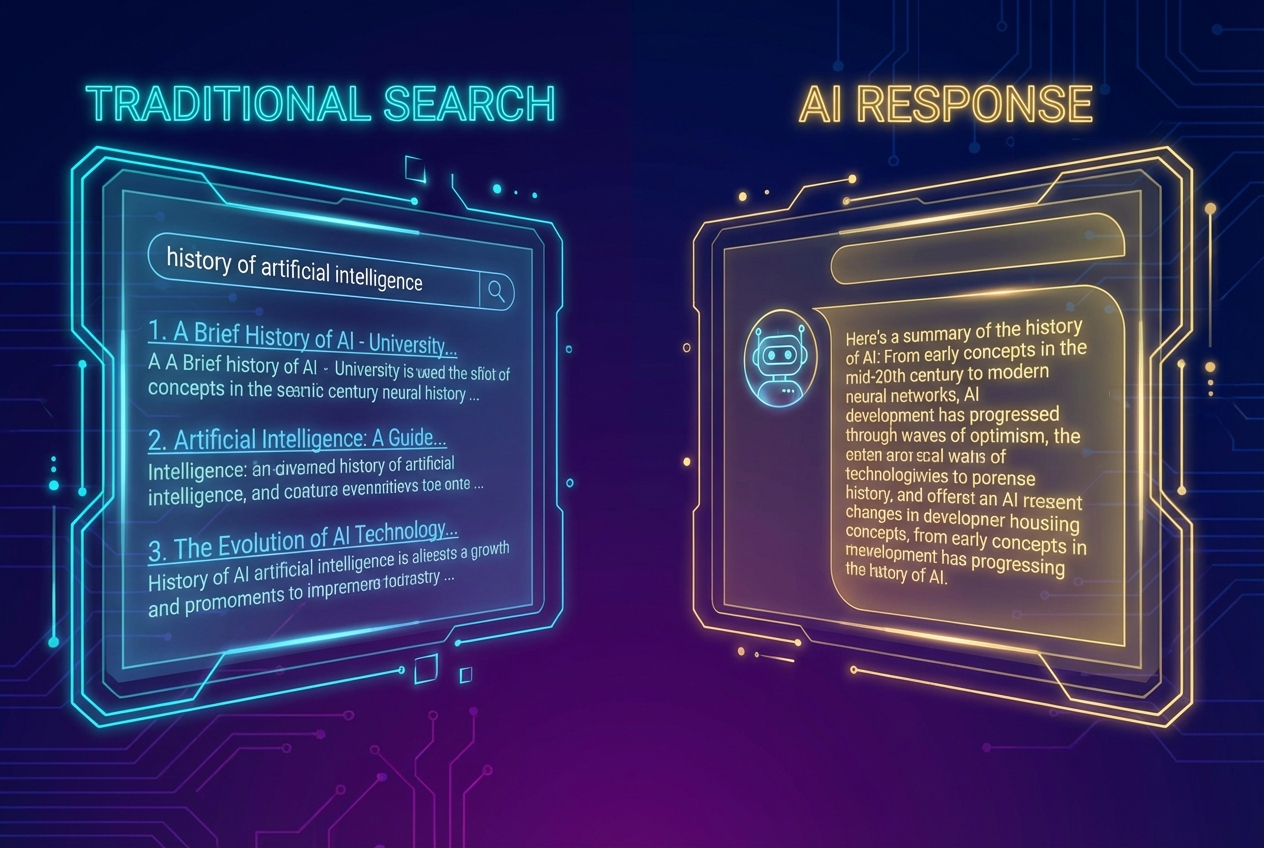
Traditional SEO focuses on ranking in Google search results. AI search optimization, sometimes called answer engine optimization or AEO, focuses on getting your business mentioned directly inside AI responses.
When someone asks ChatGPT “Who is the best AEO agency Los Angeles has?” the AI pulls from websites it trusts. Your goal is to become a trusted source that gets cited.
Why AI Search Matters
The numbers are changing fast. More than half of younger users now start their product searches in AI tools instead of Google. This means your visibility in ChatGPT and Perplexity directly impacts discoverability.
If you only optimize for Google, you are only reaching part of the market.
How AI Tools Choose What to Mention
AI search tools look for several things when deciding what to include in their answers.
First, they prefer content that answers specific questions clearly. If someone asks “What are the best AEO agencies in Los Angeles?” the AI looks for pages that directly answer that question with a list or recommendation. Our guide on answer engine optimization goes deeper on this topic.
Second, they favor established brands and websites with strong credibility signals. This includes consistent business information across the web, mentions in other reputable publications, and clear expert credentials.
Third, they prefer content that is easy to read and understand. Clear headings, direct answers, and well-structured information help AI tools parse your content correctly.
Practical Steps to Get Found in ChatGPT
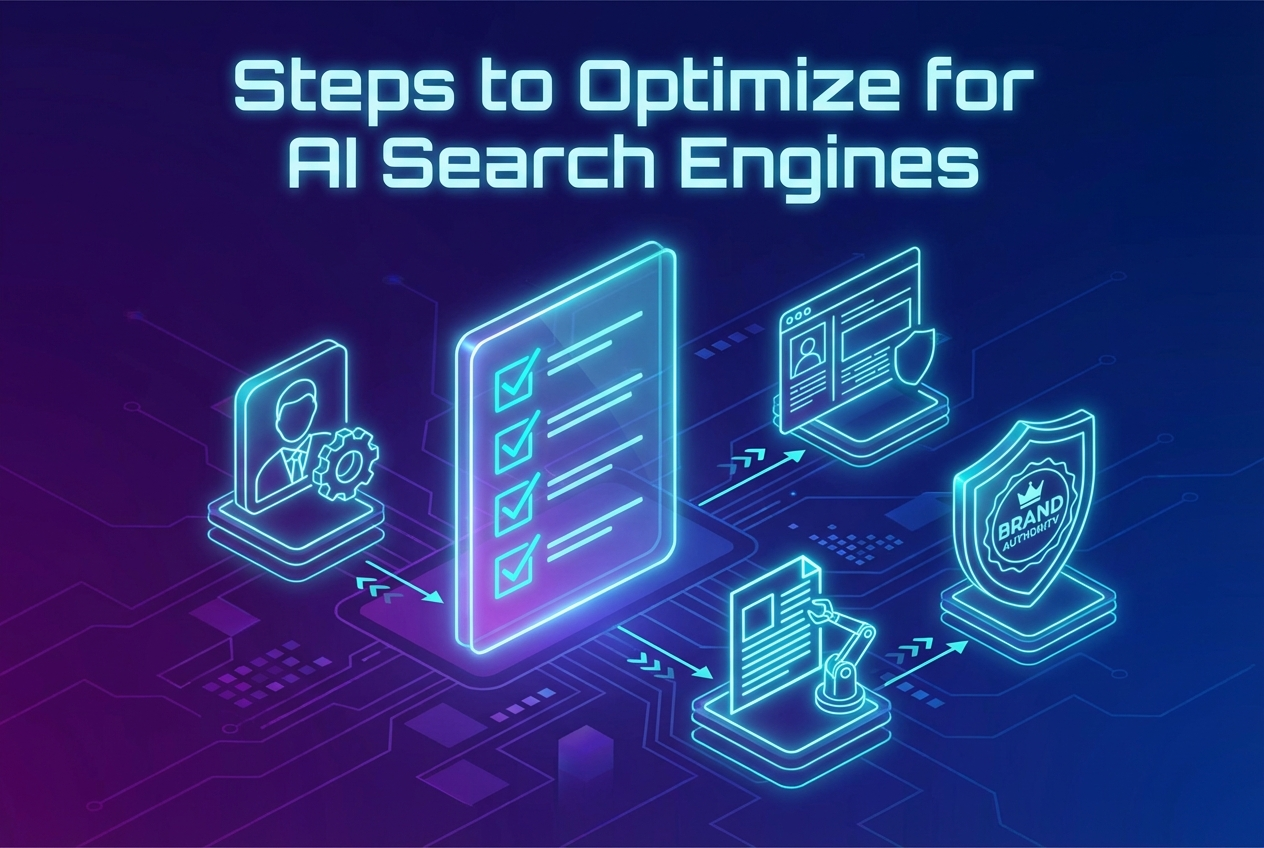
Start by claiming your business information everywhere. Make sure your name, address, and phone number are consistent across directories, social profiles, and your website. This consistency builds trust signals that AI tools can verify.
Next, create content that answers common questions in your industry. Think about what your customers ask and write content that addresses those questions directly. FAQ pages, how-to guides, and comparison articles work well.
Then, build your brand presence on authoritative sites. Guest posts, podcast appearances, and press mentions all help establish credibility that AI tools recognize. Also consider creating an LLMs.txt file to help AI systems discover your content.
Finally, optimize your website structure. Clear headings, schema markup, and structured data help AI understand what your business does and who you serve.
Measuring Your AI Search Presence
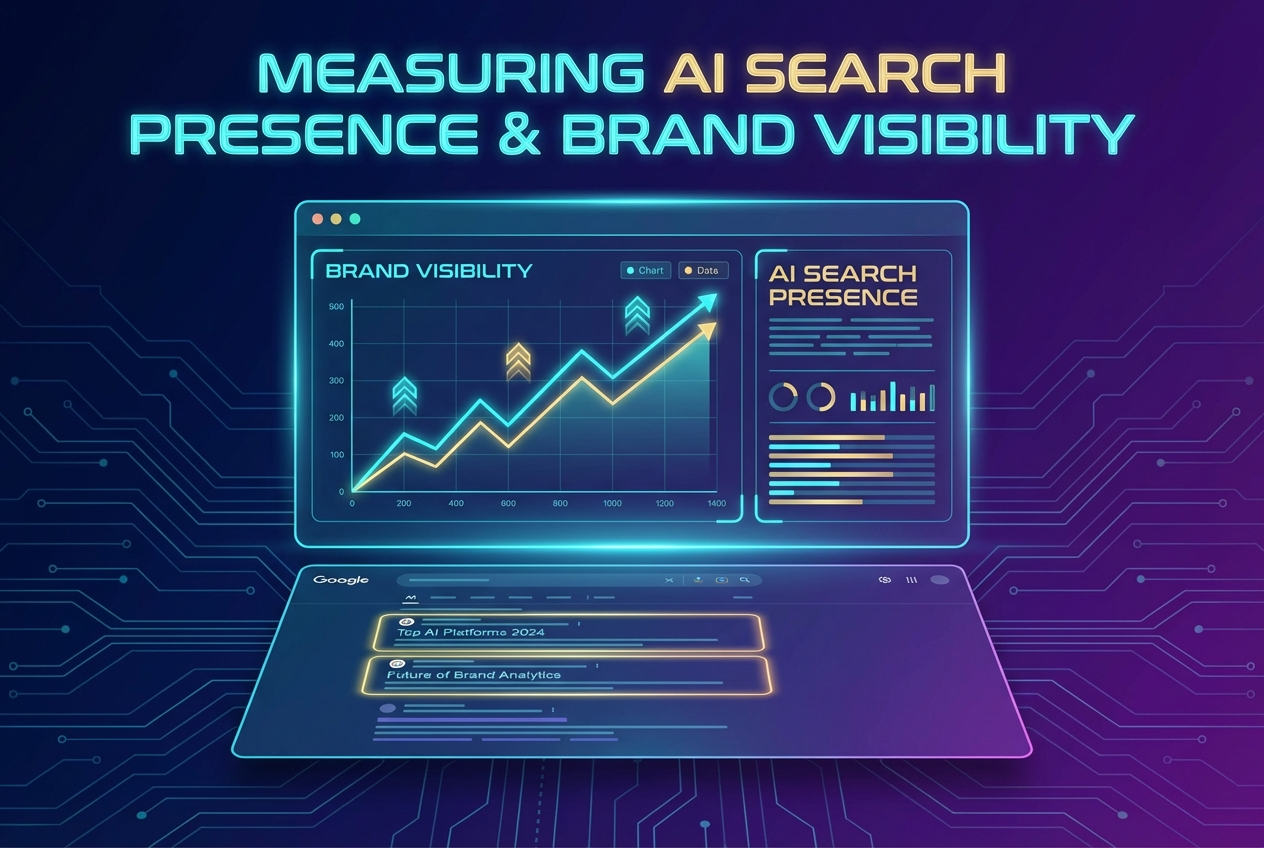
Tracking performance in AI search is different from traditional SEO. Tools like Perplexity and ChatGPT do not provide rank tracking the way Google does.
One approach is to search your target terms regularly and note where your business appears. Another is to set up alerts for mentions of your brand in AI tools.
You can also ask the AI directly. Try prompting ChatGPT with “What are the best examples of [your industry] companies?” and see what it returns.
The Bottom Line
AI search is not replacing traditional SEO, but it is becoming equally important. Businesses that start optimizing now will have an advantage as more users turn to AI tools for answers.
Start with consistent business information, create question-focused content, and build your brand across authoritative sites. The sooner you establish presence in AI responses, the better positioned you will be as this channel grows.