AI Agents Are Making In-Housing Easier
AI agents are lowering the cost of in-house marketing fast. Here is why agencies need workflow depth, measurable ownership, and harder-to-copy execution.
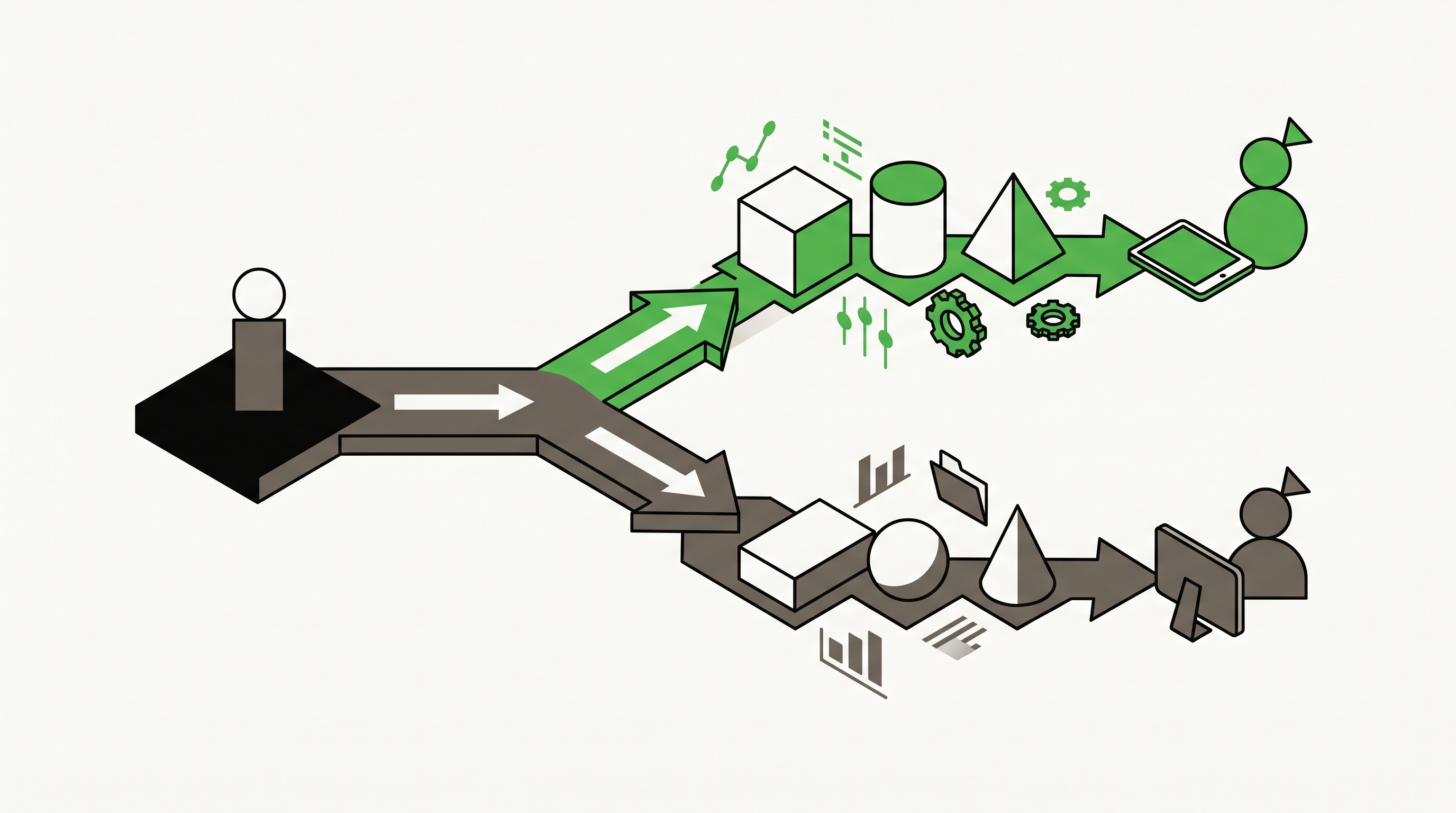
Myth: AI agents automatically make agencies more defensible.
Reality: they also make it easier for brands to bring more marketing work in-house.
That is the shift agency leaders should pay attention to right now. OpenAI said on June 25 that agent use is moving from short prompts into longer, delegated work across departments, not just engineering. At the same time, Digiday reported on June 24 that agencies are pitching AI agents as their edge while some brands are using the same systems to lower media costs, speed up execution, and reduce outside dependency. If your offer still assumes clients need you mainly for access to AI tools, the ground is moving under you.
The Real Threat Is Not The Model
The easy story is that better models will help agencies work faster.
That part is true, but it misses the more important business risk. When capable agents handle more workflow steps, the cost of coordination drops. That matters just as much for internal teams as it does for agencies. A brand that used to need outside help for campaign setup, reporting synthesis, inventory analysis, QA, or feature testing can now automate more of that stack and keep more work close to home.
That is why Digiday’s June 24 reporting matters. It described Hyundai using custom AI bidding agents in a pilot that cut online video CPMs by 67% and lowered the cost per high-value action by 20%. It also reported that Dept completed an ecommerce redesign for Blackroll 3.8 times faster than it estimated would have been possible without AI agents. Those are not novelty demos. They are operating model signals.
In-House Teams Are Already Moving
This is not a distant enterprise forecast. The World Federation of Advertisers reported that 71% of in-house agency teams are partially implementing AI in their processes, while 93% plan to invest further over the next 12 to 24 months. That is the number agencies should sit with.
Clients are not waiting for agencies to figure out the packaging. They are already building internal muscle.
OpenAI’s June 25 post, How agents are transforming work, adds another layer. It said non-developer adoption is growing faster than developer adoption and that by May 2026, 70.2% of sampled individual users had made at least one Codex request estimated to exceed one hour of human work. In plain English, AI work is escaping the prompt sandbox and landing inside ordinary business workflows.
Once that happens, agencies no longer compete only on creative taste, channel knowledge, or platform familiarity. They compete against internal execution speed.
The Platform Layer Is Collapsing Faster
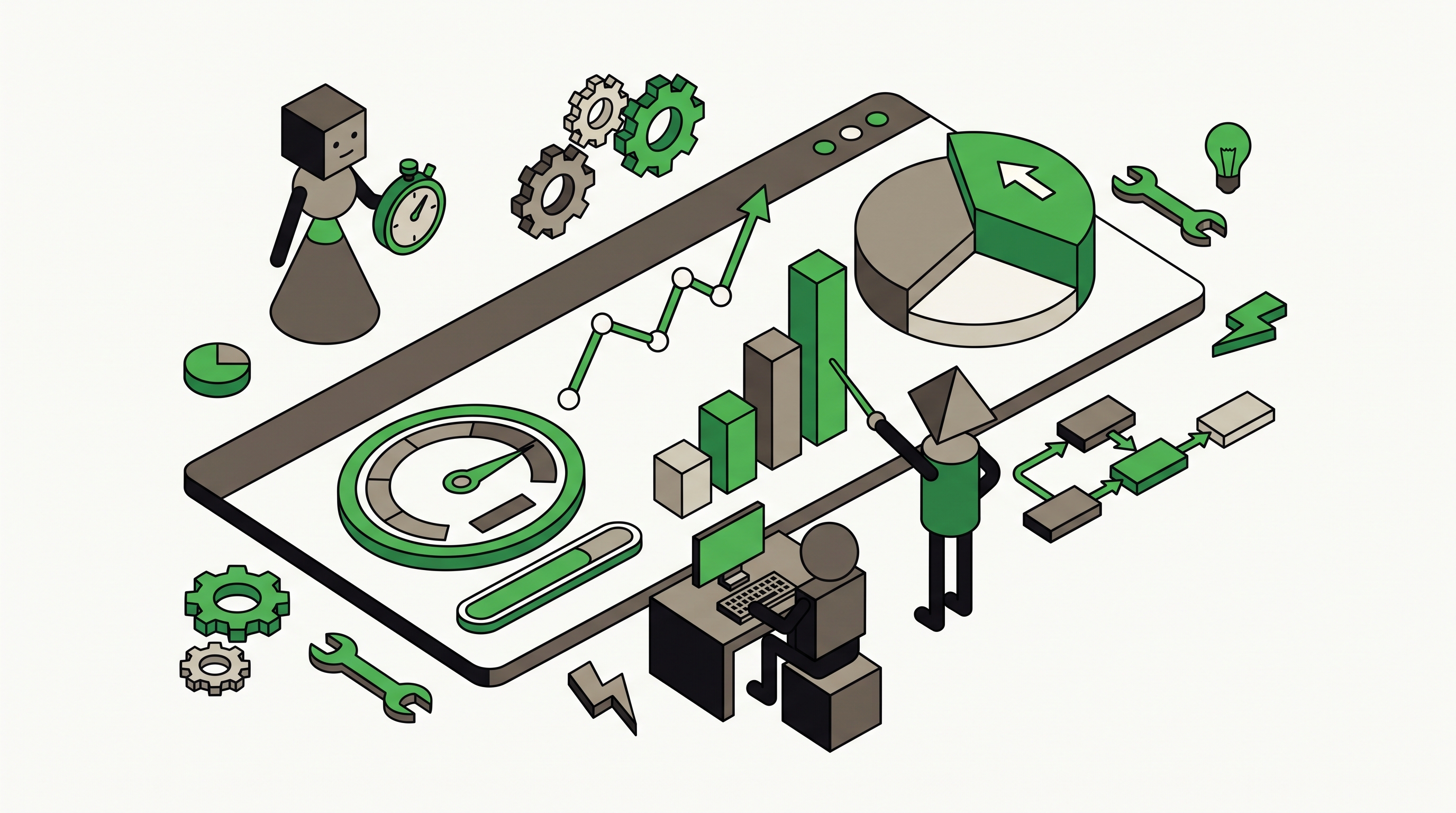
Google’s Ask Advisor points in the same direction. Google describes it as a cross-product AI agent that connects Ads, Analytics, and Google Marketing Platform into a unified experience. The pitch is not subtle. A marketer can move from idea to launch faster, get recommendations across systems, and rely less on manual platform hopping.
That is useful for agencies, but it is just as useful for internal teams.
The more the platforms turn campaign setup, optimization, and reporting into guided agent workflows, the weaker the old agency moat becomes. Clients start asking a harder question: what exactly are we still paying an outside partner to do?
If the answer is “operate the tools,” the relationship gets fragile fast.
What Still Makes An Agency Hard To Replace
This does not mean agencies lose. It means the replaceable part of the offer becomes easier to spot.
The defensible work is now more specific.
First, agencies can still win on workflow ownership tied to a measurable outcome. An AI program that improves qualified lead routing, reporting speed, admissions follow-up, or sales research is easier to defend than a broad retainer built around experimentation. That is the same reason outcome-based offers like AI marketing agents hold up better than generic consulting.
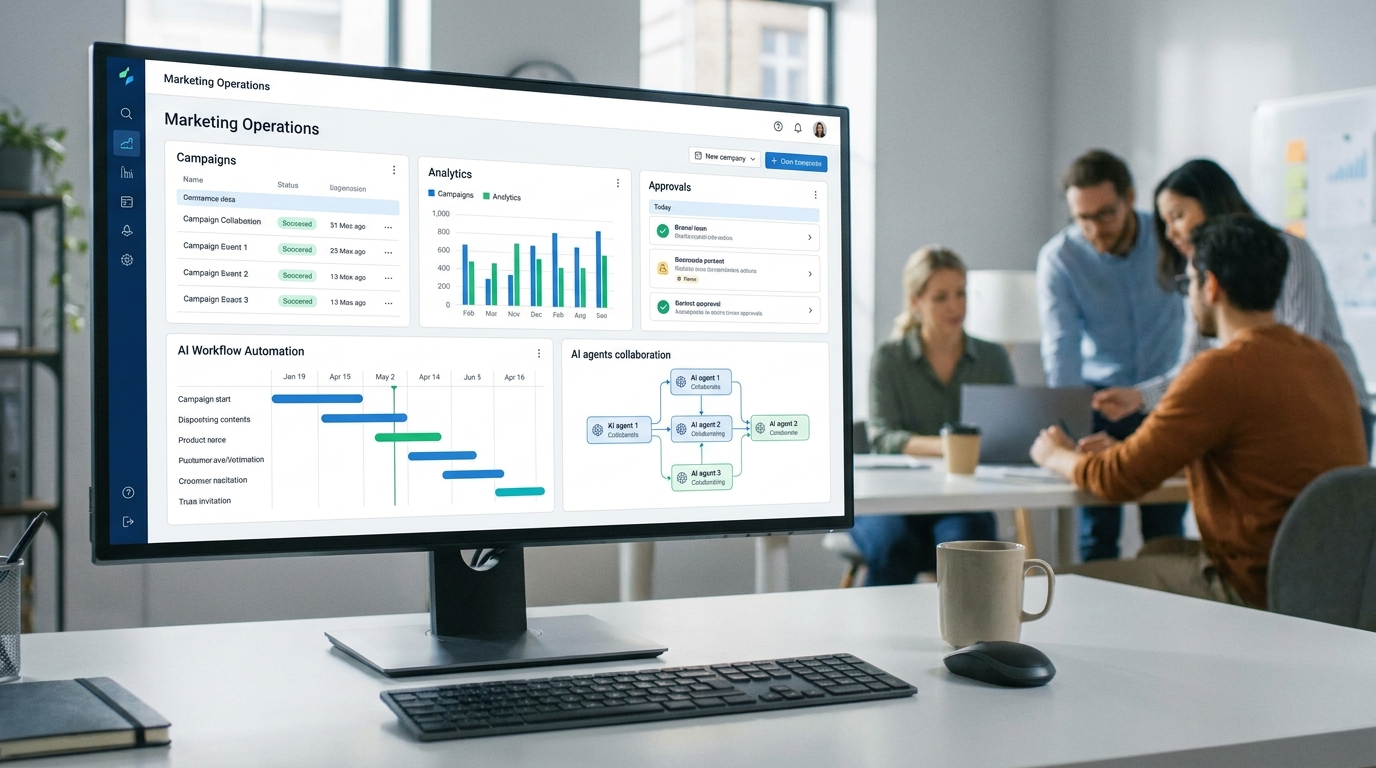
Second, agencies can still win on cross-functional orchestration. Most internal teams can buy the same tools, but many still struggle to align marketing, ops, sales, analytics, approvals, and governance around one operating workflow.
Third, agencies can still win on vertical context. A rehab center, a B2B manufacturer, and a regional service business do not need the same agent stack, review logic, or content flows. Execution gets more defensible when it reflects actual market constraints.
At Emarketed, we have seen the same pattern in AI work outside media buying. Metrex Valve deployed an AI sales agent through Emarketed and now generates roughly 20 qualified leads per month on autopilot. That is a useful reminder that clients still pay for AI when it is attached to a concrete workflow and a concrete business result.

What To Change Before Clients Ask First
If you run an agency, update the offer before the market updates it for you.
Stop leading with AI access, AI training, or vague automation talk. Lead with the workflow you own, the KPI you improve, the review rules you set, and the operating risk you remove.
Then pressure-test every service line with one blunt question: if the client bought the same tools tomorrow, what part of this engagement would still be hard to replicate internally?
If the answer is not clear, the margin is already under pressure.
That is the real takeaway from this week’s agent conversation. AI agents are not only a new delivery layer for agencies. They are also a cost-reduction layer for clients. The firms that stay valuable will be the ones that turn AI into operating leverage a client cannot easily rebuild on its own.