AI Workflows Are Becoming Default Software
AI workflows are becoming default software, not premium strategy. Agencies now need workflow design, approvals, and implementation depth to keep pricing power.
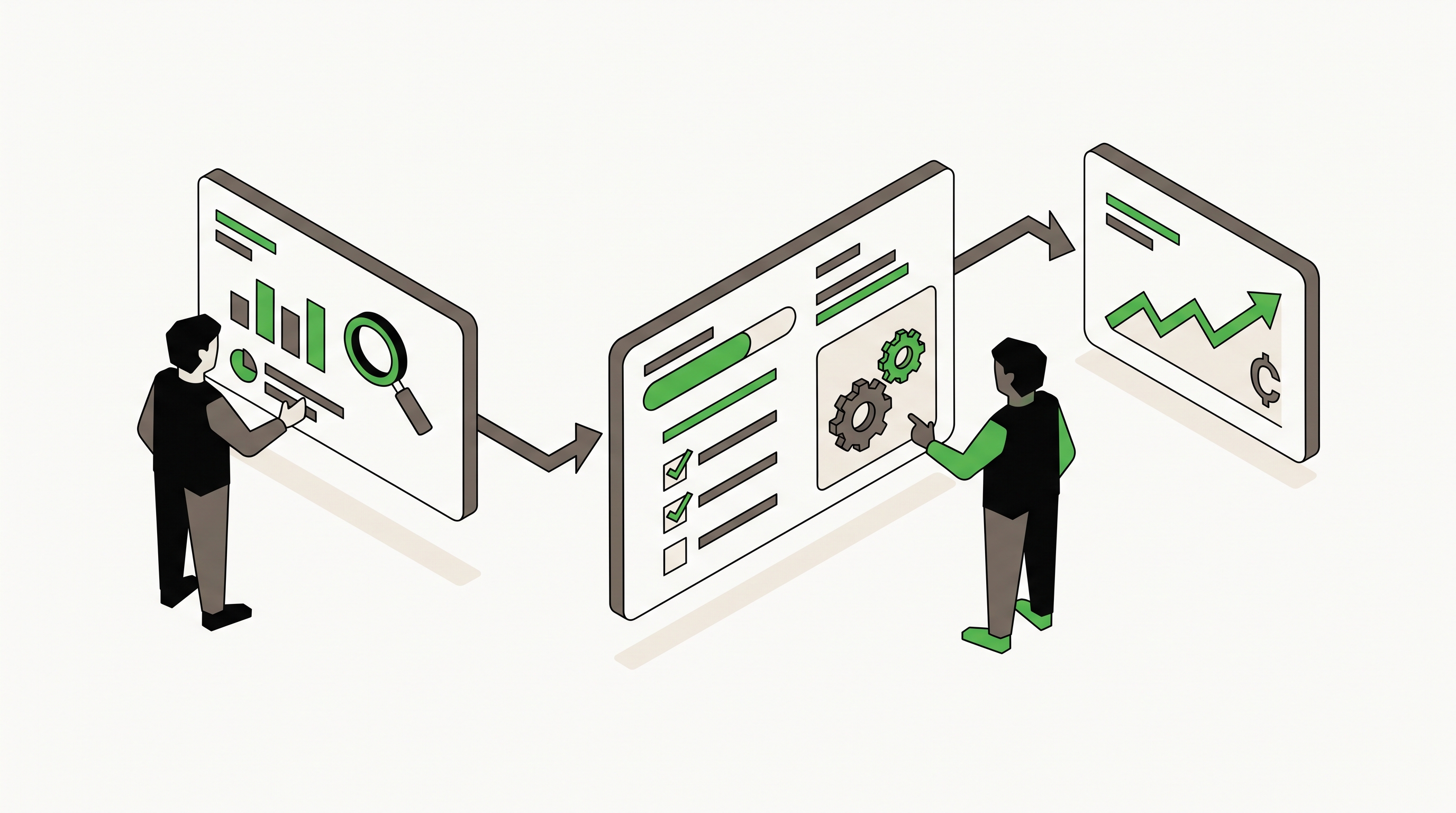
AI workflows are becoming default software. That is the real shift underneath the latest agent releases from OpenAI, Anthropic, and Google, and it matters more than another round of model comparisons.
The agencies that still package AI as a premium layer of strategy are going to feel margin pressure fast. The work clients will keep paying for is not access to AI. It is workflow design, approval logic, implementation, and ongoing ownership once these systems are wired into normal operations.
The Market Is Moving From Chat To Packaged Work
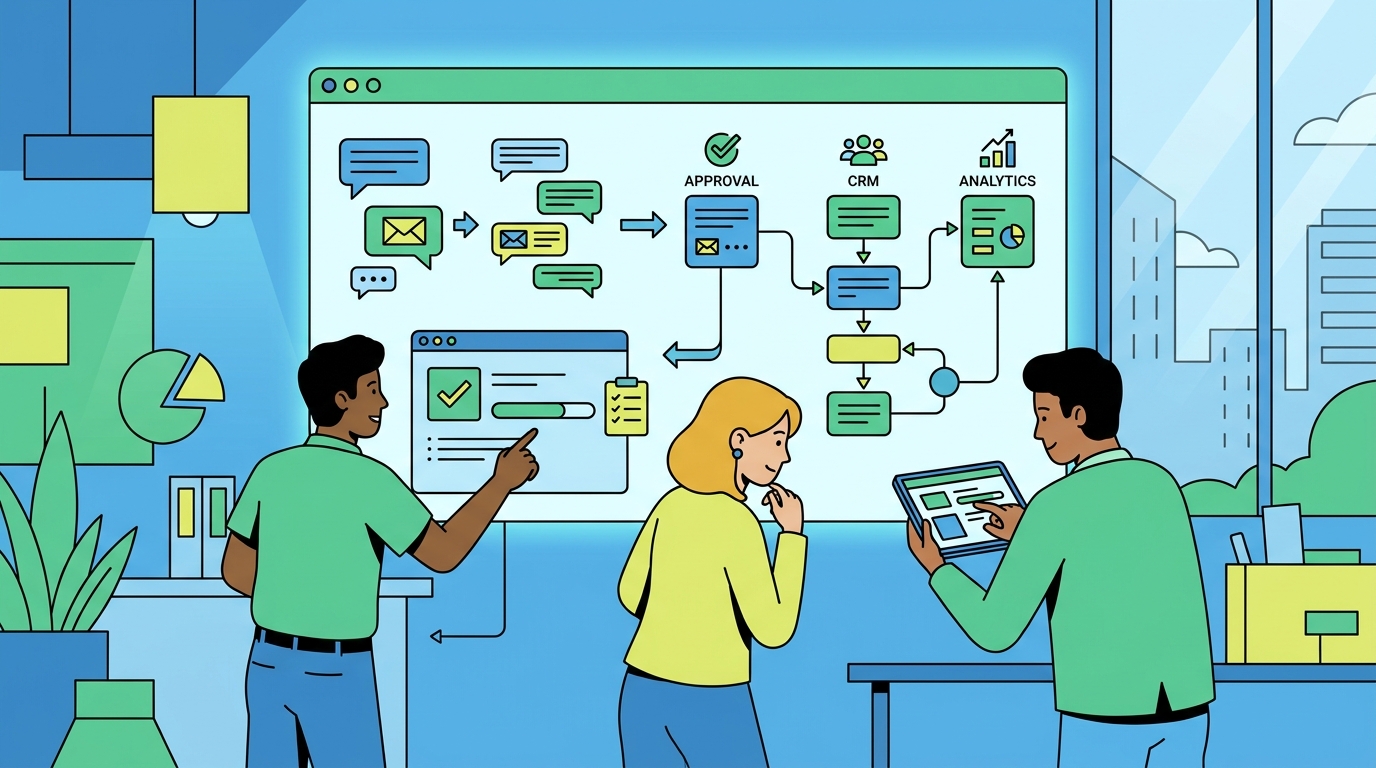
OpenAI’s workspace agents launch makes the direction obvious. The company is not selling a smarter chatbot. It is selling shared agents that can run long workflows in the cloud, connect to team tools, follow process, and ask for approval when needed.
Anthropic is pushing the same way. Its Claude for Small Business announcement says the product ships with 15 ready-to-run agentic workflows across finance, operations, sales, marketing, HR, and customer service. That is not “AI brainstorming.” That is packaged operating software.
Google is doing it too. At I/O, the company said it was entering the era of Search agents and also rolled out out-of-the-box agent products like Daily Brief in the Gemini app, a ready-made workflow for triaging priorities from Gmail, Calendar, and Gemini chats.
Once major platforms start shipping workflows instead of just models, the baseline offer changes. Clients stop asking, “Can AI help here?” They start asking, “Which of these workflows should we trust, customize, and measure?”
This Is Bad News For Generic AI Service Offers
If your agency still sells AI workshops, prompt libraries, or vague consulting retainers as the main event, this trend is a problem.
OpenAI’s How agents are transforming work frames the shift clearly: agents change knowledge work from single interactions to delegated, long-horizon tasks. That means the commercial value is moving away from clever prompting and toward who owns the workflow.
That is also why so many generic offers are starting to look thin. When platforms provide templates, shared agents, built-in approvals, and easier setup, the easy consulting layer gets cheaper. The premium moves to integration choices, governance, reporting, and whether the workflow actually fits the business.
We already saw the early version of this in our post on generic AI services getting commoditized. This is the next step. What was once a custom AI recommendation is quickly becoming a default feature inside the software stack clients already pay for.
What Agencies Should Sell Instead
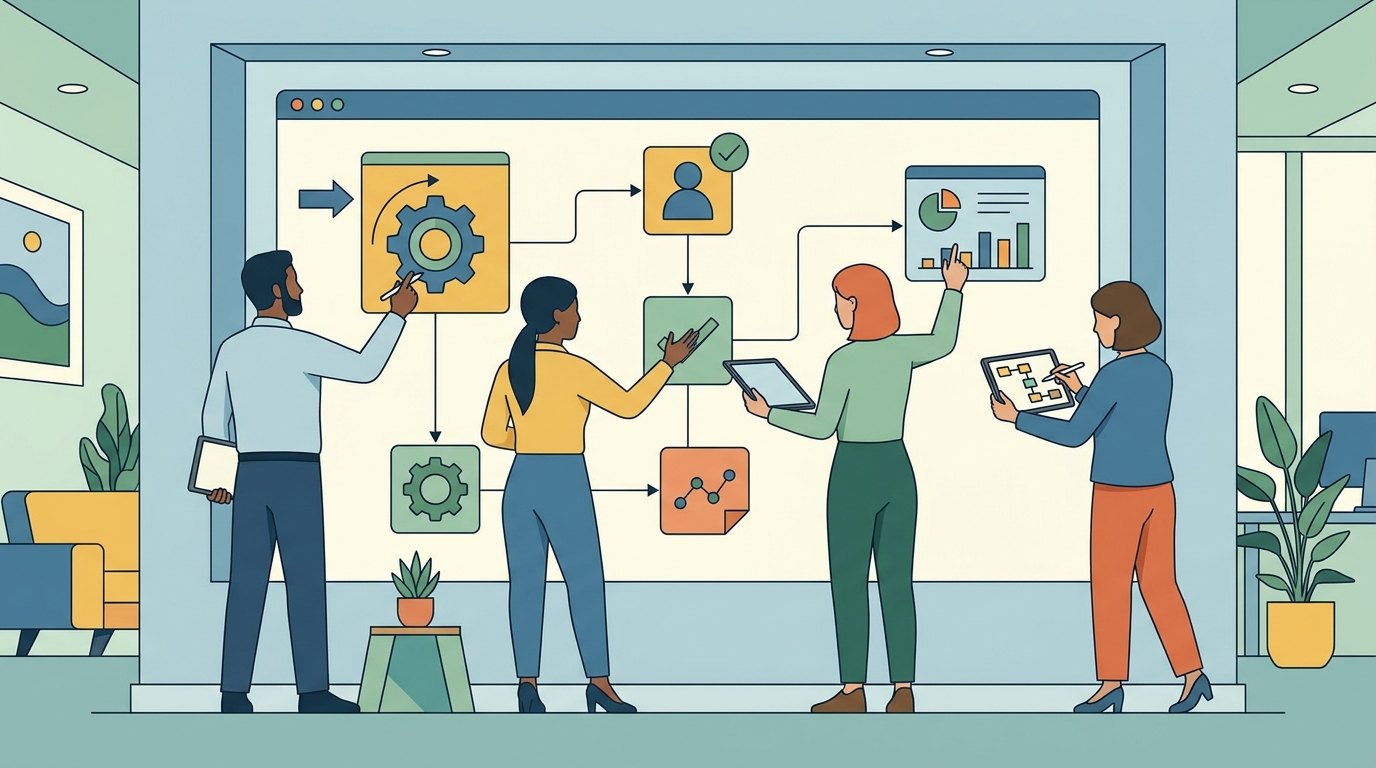
The better offer is not “we do AI.” It is “we make this workflow work inside your business.”
That means picking a lane and owning the result. Lead routing. Sales follow-up. Reporting summaries. Admissions intake. Content production. Internal research. Pick one, define the approval points, decide what must stay human, and tie the workflow to a KPI the client already cares about.
For many teams, that looks closer to marketing automations or structured AI marketing agents than broad innovation consulting. The language matters because the buying logic is different. Clients understand process ownership faster than they understand AI theory.
There is also still room for vertical expertise. Metrex Valve deployed an AI sales agent through Emarketed and now generates roughly 20 qualified leads per month on autopilot. That result is not about having access to an AI tool before everyone else. It is about fitting the workflow to a real B2B sales context.
The Practical Shift For July
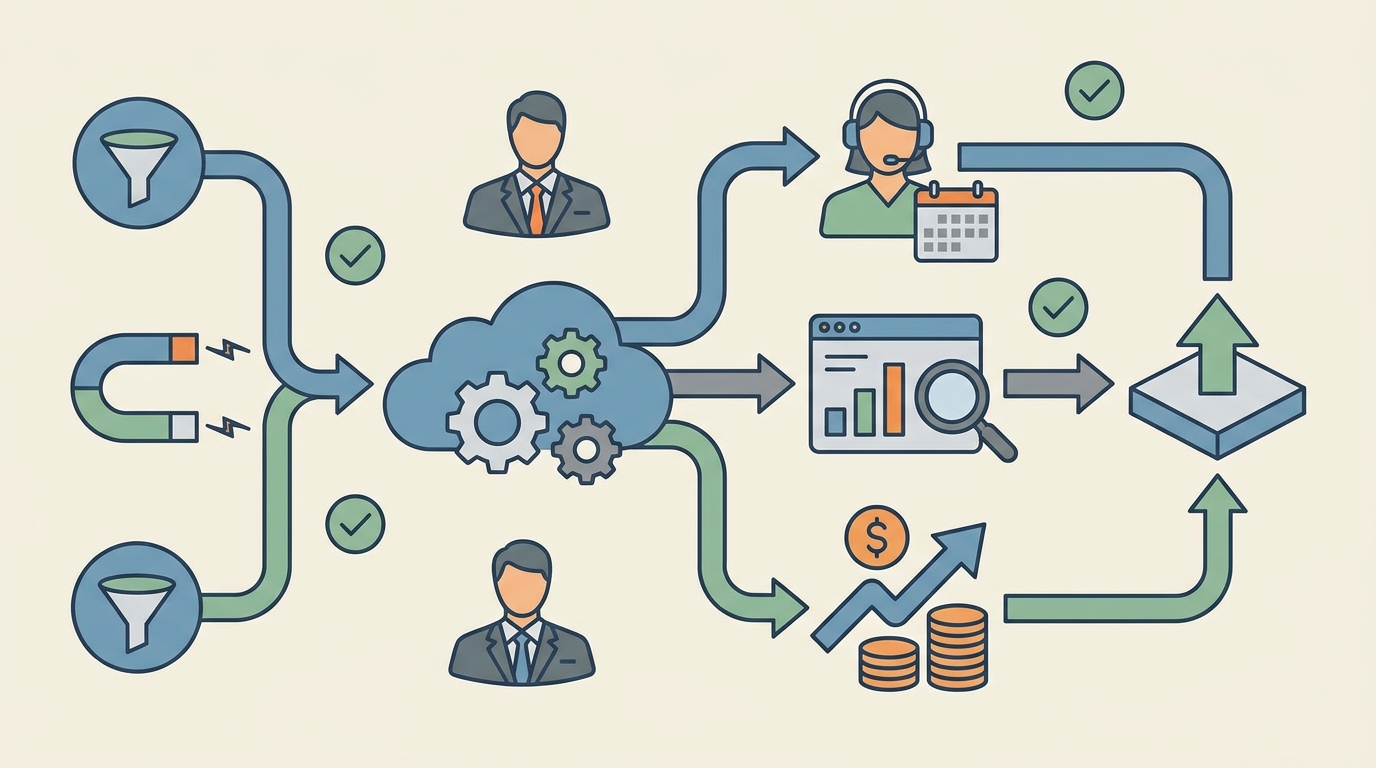
The smart move this month is simple: audit your AI offer and strip out anything that sounds valuable only because the tooling used to be rare.
If the workflow now ships inside a platform, your job is not to resell the platform with prettier slides. Your job is to decide whether the default version is good enough, where it needs rules, where it needs human review, and how it plugs into revenue or operations without creating more mess.
That is where pricing power still lives.
AI workflows are becoming default software. Agencies that understand implementation will be fine. Agencies still selling novelty will find out how fast a premium disappears once the workflow comes prebuilt.