OpenClaw for Marketing Teams: What It Is and Why It Changes Everything
OpenClaw is an open-source AI agent platform that lets marketing teams run autonomous, persistent agents across content, research, reporting, and outreach. Here's how to use it.
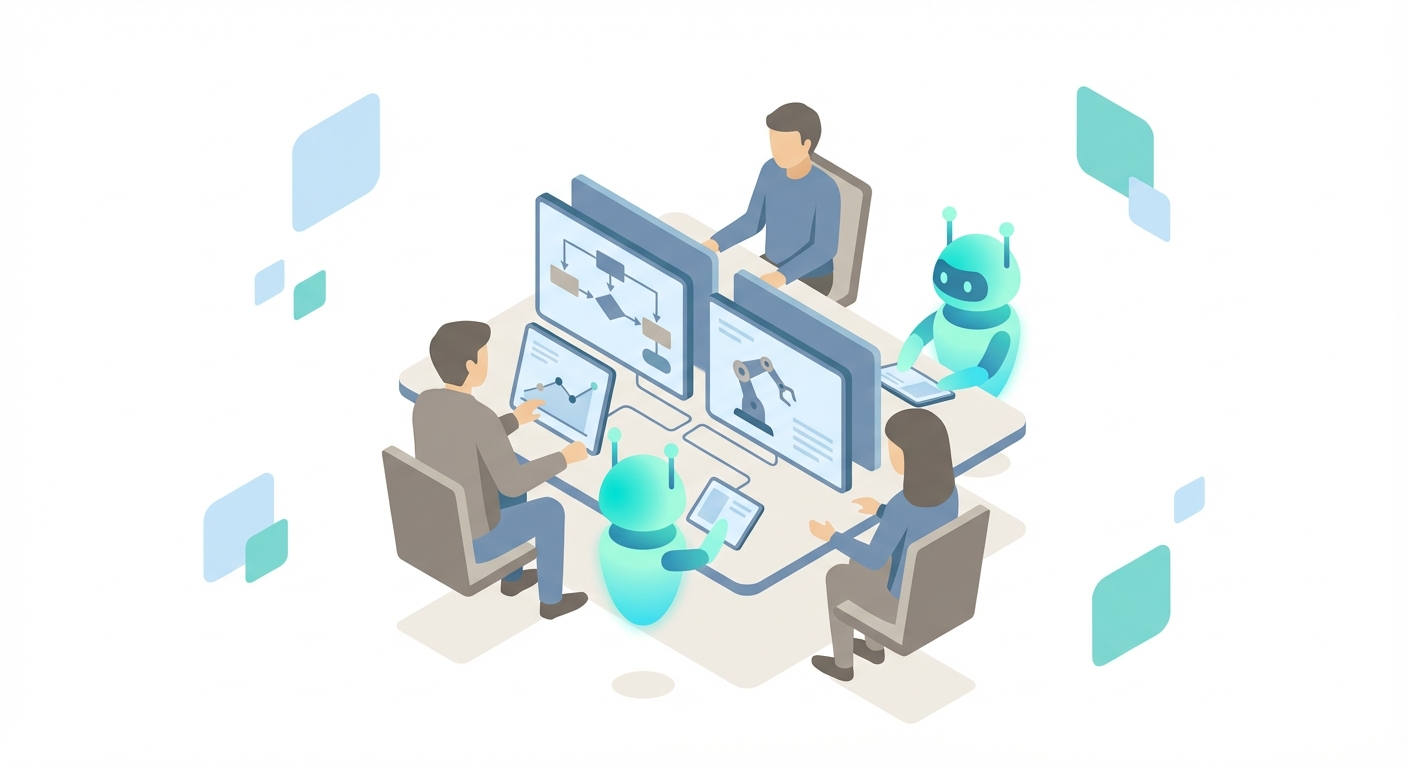
Most marketing teams are still using AI as a search bar. They type a question, read the answer, then go do the work themselves. That is not agentic AI. That is autocomplete with better vocabulary.
OpenClaw is something different. It is an open-source AI agent platform that runs persistently on your infrastructure, connects to your communication channels, remembers everything across sessions, and can actually execute tasks on your behalf without you sitting there watching it. Marketing teams that understand how to deploy it are running content pipelines, competitive research loops, reporting automation, and outreach sequences with a fraction of the manual effort.
This post covers what OpenClaw is, what marketing teams can specifically do with it, and how Emarketed can help you get it built, deployed, and running for your team.
What OpenClaw Actually Is
OpenClaw is an open-source personal AI assistant platform built to run on your own computer or server. Unlike SaaS AI tools that live in someone else’s cloud and forget everything between sessions, OpenClaw:
- Runs on your infrastructure (laptop, server, cloud VM)
- Maintains persistent memory across every conversation and session
- Connects to the messaging apps your team already uses: Discord, Slack, WhatsApp, Telegram, iMessage
- Supports custom skills and plugins that extend what the agent can do
- Can spawn and coordinate multiple agents working in parallel
- Operates proactively through scheduled heartbeats, not just when you talk to it
The result is less like a chatbot and more like a team member who never clocks out, never forgets a briefing, and can run tasks in the background while you do other things.
For marketing teams, that shift matters enormously. The bottleneck in most marketing operations is not strategy. It is execution: the research, the first drafts, the reporting pulls, the scheduling, the follow-up. OpenClaw is designed to handle exactly those layers.

Six Ways Marketing Teams Are Using OpenClaw Right Now
1. Autonomous Content Pipelines
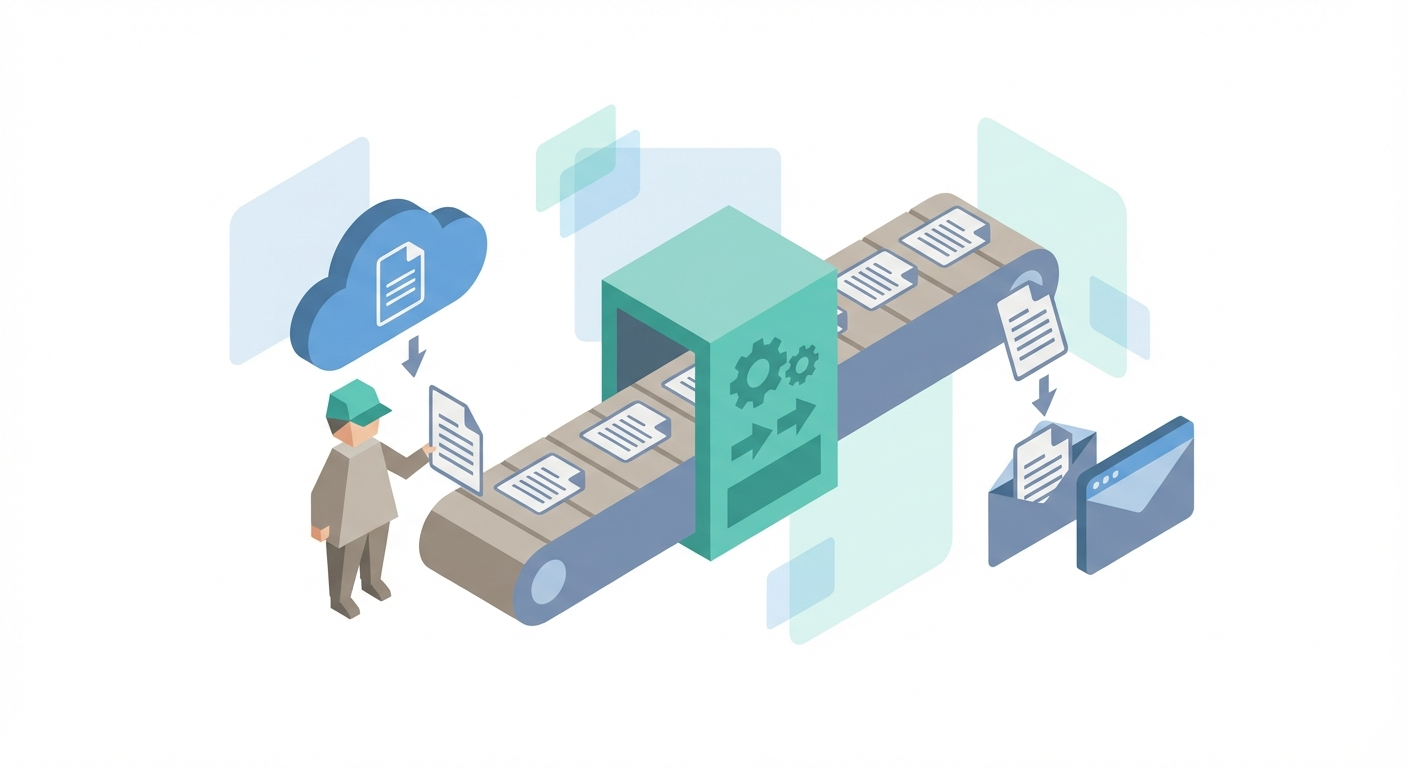
The most immediate use case for marketing teams is content production. An OpenClaw agent can be configured to research trending topics, draft posts with specific formatting rules, generate images, and publish to a CMS, all from a single instruction sent over Slack or Discord.
This is not about generating mediocre content faster. It is about removing the coordination overhead. When a human researcher, writer, image creator, and publisher all hand off to each other, the process takes days. When one agent handles the full pipeline with clear instructions, the same post takes hours and the human role shifts to brief and review.
Teams using our AI Keyword Researcher can feed keyword data directly into an OpenClaw content pipeline, so every post is grounded in actual search demand before a word gets written.
2. Competitive and Market Research on Autopilot
Research is one of the highest-value and most time-consuming parts of any marketing role. OpenClaw agents can be scheduled to run regular sweeps: monitoring competitor content, tracking industry news, pulling pricing changes, and summarizing findings into a report delivered to your team channel every morning.
One instruction, configured once, runs forever. The agent wakes up on schedule, does its work, and drops the briefing into your Discord or Slack without anyone asking.
3. Reporting Automation
Monthly client reports, weekly performance summaries, campaign recaps: these tasks eat hours of time that could go toward actual strategy. An OpenClaw agent can pull data from connected tools, format it into a structured report, and deliver it automatically on whatever schedule you set.
For agencies managing multiple clients, this compounds fast. Instead of each account manager spending four hours on reports, the agent handles the pull and format, and the account manager spends twenty minutes on analysis and context.
Use our Website Audit tool to surface the raw performance data, then let an OpenClaw agent format and package it for client delivery.
4. Multi-Agent Teams for Complex Campaigns
This is where OpenClaw starts to look genuinely different from any other tool on the market. You can run multiple specialized agents in parallel, each with a defined role, and coordinate them through a single channel.
A content campaign, for example, might run a research agent that finds story angles and sources, a writing agent that takes the research and produces a draft, an image agent that generates visuals, and a publishing agent that formats and deploys the final post. Each agent does one thing well. The orchestrator coordinates them. You review and approve.
This is not theoretical. Teams are running this workflow right now. The concept of a “marketing team” expands when some of the team members are agents with persistent memory and real execution capability.
5. Lead Qualification and Outreach Sequences
OpenClaw agents can connect to CRMs, monitor inbound lead activity, and trigger personalized outreach based on defined criteria. They can draft initial follow-up messages for human review, categorize leads by intent signals, and flag high-priority contacts for immediate attention.
For marketing teams that also own the top of the sales funnel, this means fewer leads falling through the cracks and faster first-touch response times.
Our AI Prompt Generator is useful for building the prompt templates that power outreach sequences, ensuring every message the agent sends is on-brand and conversion-optimized.
6. AEO and AI Search Visibility Monitoring
As AI search continues to expand, marketing teams need a new layer of visibility tracking: are you being cited in AI Overviews? Is your content showing up in Perplexity, ChatGPT Search, and Google’s AI layer? This is a new monitoring job that most teams do not have bandwidth to do manually.
An OpenClaw agent can run scheduled queries across AI search platforms, track citation appearances, and report back on your visibility trends. Combine that with an AI Search Optimizer audit and you have a complete picture of where you stand in AI search, updated automatically.
What Makes OpenClaw Different from Other AI Tools
There are three things that separate OpenClaw from the tools most marketing teams are already using.
Persistent memory. Every conversation, every task, every preference is remembered. You do not re-explain context every session. The agent knows your clients, your brand voice, your workflow rules, and your past decisions. Over time it gets more useful, not less.
Your infrastructure, your data. OpenClaw runs on hardware you control. Your proprietary client data, your unreleased campaign strategies, your internal reporting does not pass through a third-party SaaS platform. For agencies and enterprise marketing teams, this matters for compliance, security, and competitive reasons.
Proactive operation. Most AI tools are reactive. You ask, they answer. OpenClaw agents operate on schedules, respond to triggers, and check in on their own. They monitor, report, and flag without being prompted. That is a fundamentally different working model than a chatbot.
For agencies wanting to understand where OpenClaw fits in a full AI search strategy, our AEO resource center covers the broader landscape of how AI is reshaping search and content.
Building a Marketing Agent Team: Where to Start
The fastest path to value for most marketing teams is to start with one agent doing one job well, then expand.
A content research agent is usually the right starting point. Define what it monitors, how often it runs, and what format it delivers findings in. Once that is running reliably, add a drafting layer. Then reporting. Then coordination.
The temptation is to automate everything at once. The reality is that a well-configured single agent that runs reliably is worth more than five agents configured quickly that require constant maintenance.
When scoping your first OpenClaw deployment, think about:
- Which task consumes the most team time with the least creative value?
- What data sources does the agent need to connect to?
- Where does the output need to land (Slack, email, CMS, CRM)?
- Who reviews and approves before anything goes external?
Those four questions define the first agent. Everything else builds from there.
Use our Topic Authority Builder to map the content territory your agent should operate in, so research and writing tasks stay focused on the areas where you want to build expertise.
Emarketed Now Offers OpenClaw Development, Deployment, and Management
We have been running OpenClaw in production for our own team and have built out the expertise to deploy it for marketing teams and agencies that want the benefits without the setup overhead.
Emarketed’s OpenClaw services include:
Development. We design and build custom agents tailored to your marketing workflows: content pipelines, research automation, reporting, outreach, and more. Each agent is configured with your brand voice, your data sources, and your approval workflows baked in.
Deployment. We handle the technical setup: server configuration, channel integrations (Discord, Slack, WhatsApp), API connections, and security hardening. You do not need a developer on staff to run an enterprise-grade agent team.
Management. Agents need maintenance: prompt updates, skill additions, performance monitoring, and ongoing optimization as your workflows evolve. We provide ongoing management so your agents stay sharp as your business changes.
This is a new service layer that sits alongside our existing digital marketing practice. If you are running an agency, a marketing team, or a healthcare organization that wants AI agents working as part of your operation, this is the fastest path to getting there.
Talk to us about your OpenClaw setup to start the conversation.
Frequently Asked Questions
What is OpenClaw and is it difficult to set up? OpenClaw is an open-source AI agent platform that runs on your own computer or server and connects to messaging apps like Discord, Slack, WhatsApp, and Telegram. The setup requires some technical configuration, particularly for server deployment and API integrations. Emarketed handles the full setup for teams that want to skip the technical overhead.
Can OpenClaw connect to our existing marketing tools? Yes. OpenClaw supports custom skills that can connect to virtually any API. Common marketing integrations include CRMs, content management systems, analytics platforms, email marketing tools, and social media scheduling tools. The integration scope depends on what skills are built or available.
How is OpenClaw different from using ChatGPT or Claude directly? ChatGPT and Claude are reactive: you ask, they answer, the session ends. OpenClaw is persistent and proactive. It remembers everything across sessions, operates on schedules, and can take real actions in connected systems. It also runs on your infrastructure, keeping your data private.
What marketing tasks are best suited for OpenClaw agents? High-volume, repeatable tasks with clear outputs are the best starting point: content research, first drafts, competitive monitoring, reporting pulls, and lead follow-up. Tasks that require nuanced judgment or client relationships are better kept human, with agents handling the preparatory work.
Is OpenClaw secure for agency use with client data? Because OpenClaw runs on infrastructure you control, you set the security parameters. Client data stays on your servers. This is a significant advantage over SaaS tools that process your data in shared cloud environments.
How long does it take to deploy an OpenClaw agent for a marketing team? A single well-scoped agent can typically be deployed within one to two weeks, including configuration, testing, and integration. A full multi-agent pipeline takes longer depending on complexity. Emarketed’s deployment service includes scoping, build, and testing before handoff.
The Shift That Is Already Happening
The marketing teams that are building agent infrastructure now are not preparing for a future state. They are catching up to a shift that is already underway. The question is not whether AI agents will be part of marketing operations. It is whether your team builds that capability deliberately or gets outrun by competitors who did.
OpenClaw is not the only platform in this space, but it is one of the most capable, the most flexible, and the only major option that keeps your data and infrastructure in your own hands. For agencies and in-house teams serious about building real AI capability rather than just licensing another SaaS tool, that distinction matters.
Start with one agent. Define the job clearly. Let it run. Then build from there.