Healthcare AI Mode Ads Are Coming. Fix Trust Pages First
Google is testing healthcare ads in AI Mode. Here is what healthcare marketers should fix first so trust pages can support both paid and organic discovery.
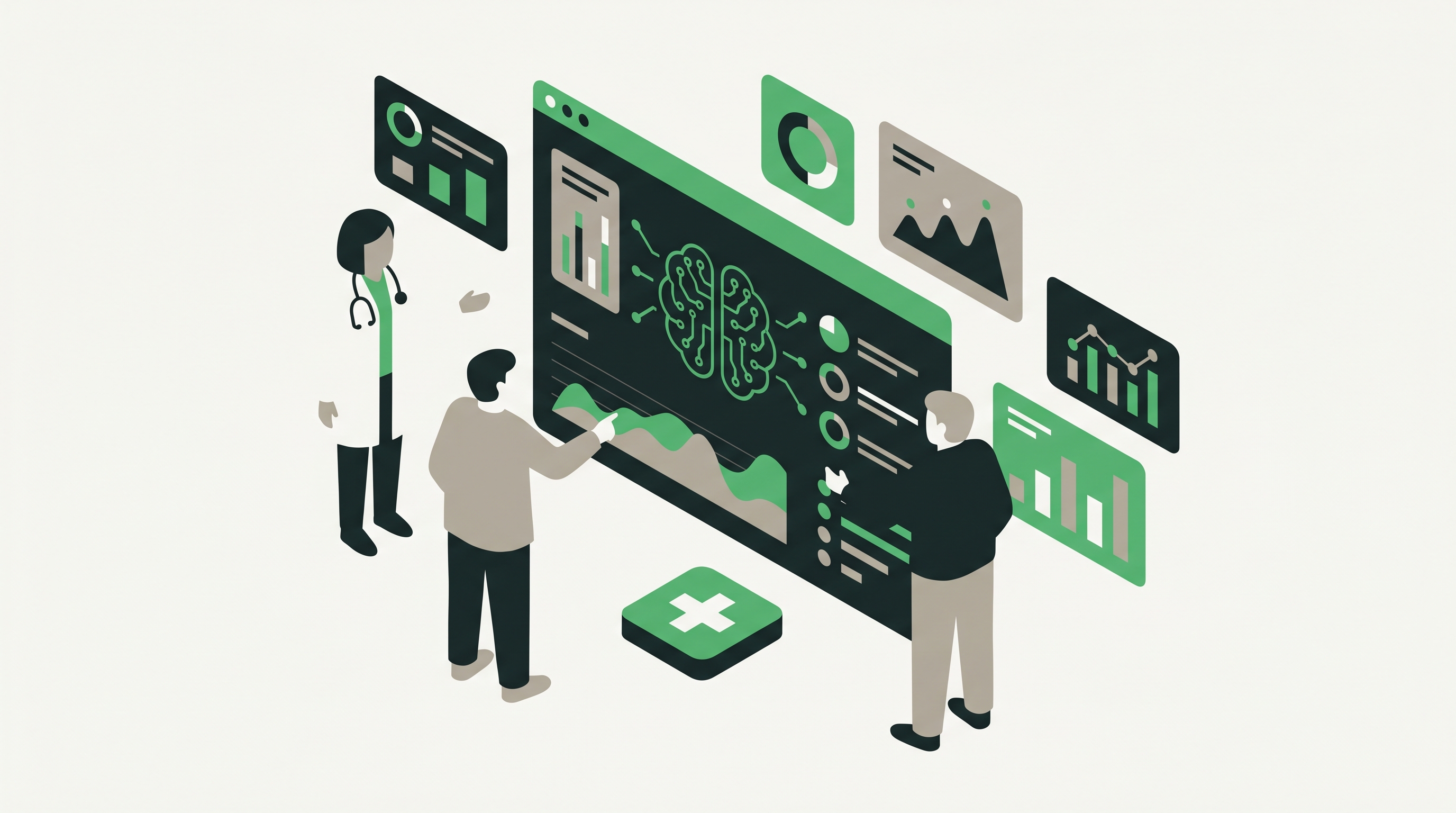
Google is testing healthcare ads in AI Mode, and that changes more than paid placement.
According to Search Engine Land’s June 2026 reporting, Google has begun a small AI Mode ads test for the healthcare vertical in the U.S. for English-language queries. That matters because Google’s own Ads Help documentation for AI Overviews still says sensitive verticals such as healthcare are excluded there. In plain terms, Google is opening a new commercial surface in AI search for healthcare before most providers, treatment brands, and healthcare marketers have rebuilt their pages for it.
This post exists to prove one point: if healthcare ads start showing up inside AI-driven discovery, your trust pages are no longer just SEO assets. They become the pages that support citation, screening, reassurance, and paid conversion all at once.
Google Just Opened A New Search Surface For Healthcare
Most healthcare marketers already know the top of the funnel has changed. Patients and family members are asking AI systems for provider options, care explanations, insurance help, side-effect questions, and treatment comparisons before they ever land on a website.
The data behind that shift is already strong. A KFF Tracking Poll published March 26, 2026 found that 32% of adults used AI chatbots for health information or advice in the past year. Among those users, 41% said they used AI before deciding whether to see a provider, and 36% said privacy was a major reason. Those numbers matter even more in behavioral health, addiction treatment, mental health, and other sensitive categories where people often research privately before they are ready to call.
Now add paid media to that behavior.
If Google starts placing healthcare ads inside AI Mode conversations, patient acquisition gets compressed again. The same interaction may educate the user, narrow the shortlist, and present a next step before a traditional search results page does much work at all. That does not kill SEO or paid search. It does change the job of your core pages.
For years, many healthcare sites separated content into neat silos:
- service pages for rankings
- blog posts for education
- landing pages for paid ads
- review pages and staff pages for trust
AI search does not respect those silos. A single prompt can pull in education, validation, comparisons, and next-step signals at the same time.
That means healthcare marketers should stop asking whether a page is “for SEO” or “for PPC.” The more useful question now is whether the page helps both a machine and a cautious human decide that your brand is credible.
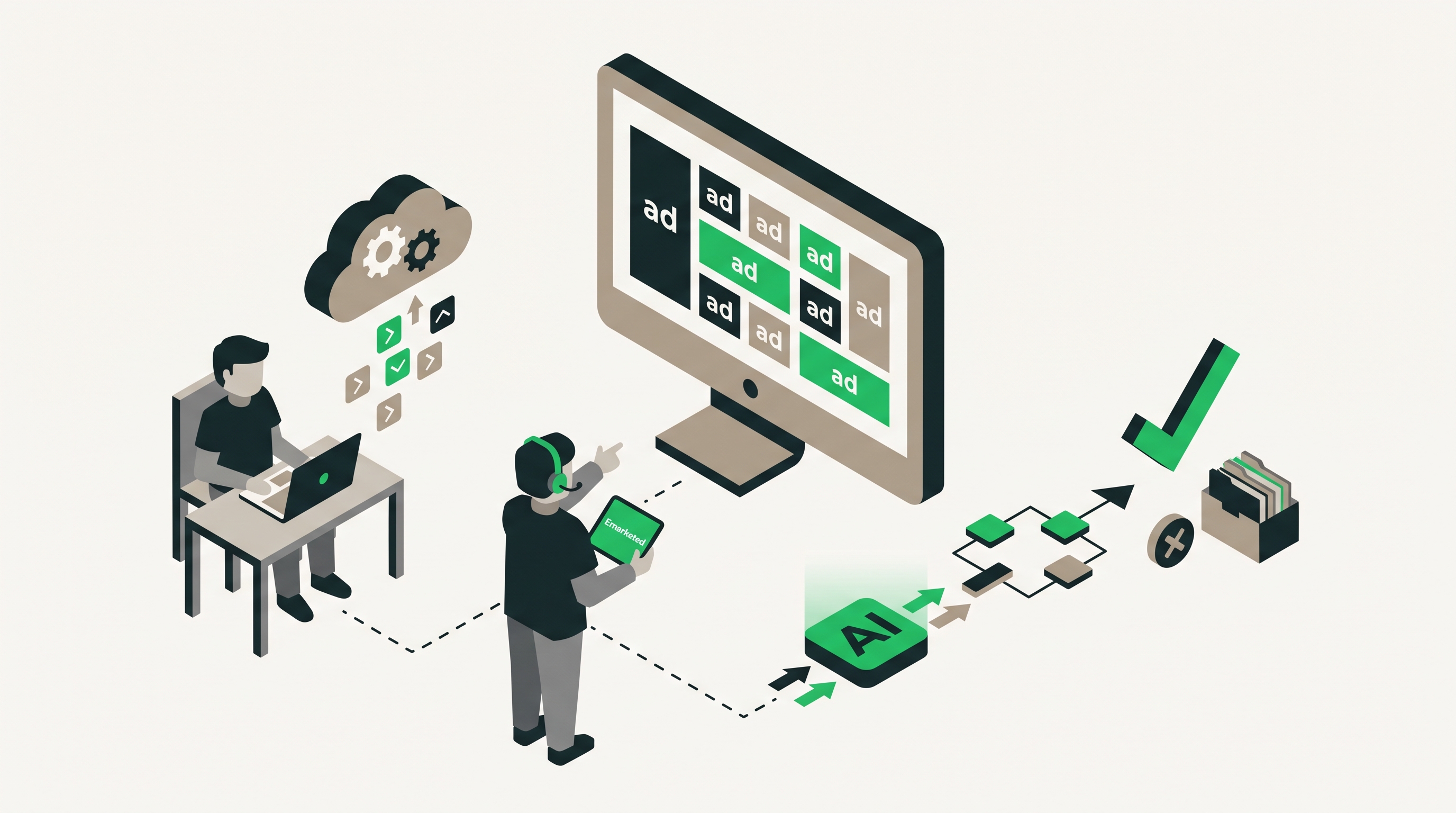
Why This Matters More In Healthcare Than In Other Categories
AI search is changing every vertical, but healthcare is a tougher environment because the trust burden is higher.
The American Medical Association said on June 10, 2026 that transparency and quality standards are essential as AI becomes a bigger part of care. That is a medical governance point, but it is also a marketing point. When a user asks AI for help finding addiction treatment, evaluating a specialist, or understanding a care option, the platform has more reason to favor pages that look safe, specific, and verifiable.
That is why lazy healthcare landing pages have become a bigger liability than many teams realize.
A generic page full of phrases like compassionate care, personalized treatment, or experienced providers may still pass a weak internal review. It does not hold up well when AI systems are trying to summarize what you actually do, who you serve, what kind of evidence supports your claims, and whether a patient should trust you with a high-stakes decision.
This is also why the coming paid shift does not mean “just bid more.”
If healthcare ads appear inside AI Mode, the ad click may carry more intent than a traditional top-of-page search click. But that click may also arrive after the AI has already done part of the comparison work. The user is not arriving cold. They are arriving with a half-formed shortlist, active concerns, and a lower tolerance for vague copy.
Healthcare marketers should read this as a page-quality problem before they read it as a media-buying opportunity.
We have already seen the same dynamic in behavioral health. At Emarketed, Seasons in Malibu grew cited pages from 122 to 190 and AI mentions from 49 to 122 while holding 4,200+ keyword rankings and 814,230 social impressions in a recent month. That kind of result does not come from one campaign tweak. It comes from a trust footprint that is strong enough to support visibility across SEO, AEO, paid search, social, and web at the same time.
Your Trust Pages Now Have To Pull Double Duty
The healthcare teams that adapt fastest will treat trust pages as core commercial assets, not supporting pages buried in the navigation.
Here is what that means in practice.
Make Clinical Credibility Easy To Verify
If a page discusses treatment, provider qualifications, specialties, insurance, or outcomes, the supporting proof should not be hard to find. Publish provider details clearly. Show licenses, accreditations, and treatment scope where relevant. Explain what happens during admissions, evaluation, or onboarding. Avoid broad claims that sound polished but reveal nothing.
This matters for organic visibility because AI systems prefer extractable facts over mood-setting copy. It matters for paid traffic because skeptical visitors will scan for legitimacy before they do anything else.
For rehab and behavioral health brands, this overlaps with the issue we covered in What Families Ask ChatGPT Before They Call Rehab. Families are trying to resolve cost, privacy, safety, fit, and staff credibility before they ever talk to admissions. If your key pages cannot answer those questions quickly, paid AI discovery will not save you.
Answer Patient Fit Questions Early
A strong healthcare trust page does not only say who you are. It helps the user decide whether you are right for them.
That means answering questions like:
- Who is this treatment, service, or provider best for?
- What symptoms, conditions, or situations usually make someone a fit?
- What are the common reasons a person might not be a fit?
- What does the first step actually look like?
- What insurance or payment questions should they expect to resolve?
Those are not FAQ filler questions. They are conversion questions.
When AI Mode introduces an ad or supporting link, the user is often trying to reduce uncertainty fast. Pages that remove uncertainty tend to outperform pages that simply restate the brand promise.
Keep Paid Landing Pages Close To Your Best Organic Sources
One mistake I expect to see is healthcare teams creating separate AI-era landing pages that are cleaner for conversion but weaker for trust. That usually backfires.
If your paid page strips out the details that made a service or proof page credible in the first place, you create a mismatch between what AI surfaced and what the visitor finds after the click. That mismatch kills momentum.
The smarter move is usually to bring paid and organic closer together:
- use the same factual language across service pages and landing pages
- keep provider, accreditation, and process details consistent
- preserve strong answer blocks near the top
- reduce clutter without removing proof
For teams in treatment, behavioral health, and other high-consideration segments, a focused drug rehab marketing strategy should now include page-design decisions that support both citation and conversion, not one or the other.

What Paid And Organic Teams Should Change This Quarter
This shift is big enough that healthcare organizations should stop running paid and organic as separate planning tracks.
Audit The Five Pages Closest To Revenue
Pick the pages most likely to shape first contact: one or two core service pages, one admissions or contact path, one proof page, and one location or provider page. Then ask whether each page clearly answers who it is for, why it is credible, and what the next step looks like.
If the first 150 words are still brand fluff, fix that first.
Build Copy Around Real Screening Questions
Pull notes from intake calls, chat logs, provider questions, and appointment objections. The best healthcare pages now sound less like campaign copy and more like a confident answer to a worried person’s next question.
This is where many organizations still waste time. They optimize the keyword, then ignore the screening question. AI systems are better at noticing the second one.
Tighten Compliance And Proof Review
If paid AI discovery expands, compliance review will matter more, not less. Make sure claims about outcomes, specialties, insurance acceptance, clinical oversight, and treatment scope are current and supportable. The goal is not sterile copy. The goal is defensible clarity.
Watch For Assisted Conversion Patterns
Do not expect neat last-click reporting from this shift. A user may first see your brand through AI-assisted discovery, then come back later through branded search, direct traffic, or a call extension. Teams that only look for a clean ad-to-form path will undercount the influence of AI search.
Coordinate SEO, PPC, And Web Teams Weekly
This should be operational, not philosophical. The SEO team knows which pages earn citations. The PPC team knows which pages convert. The web team knows where trust or usability breaks. Put those views together and decide which assets deserve immediate rebuilding.
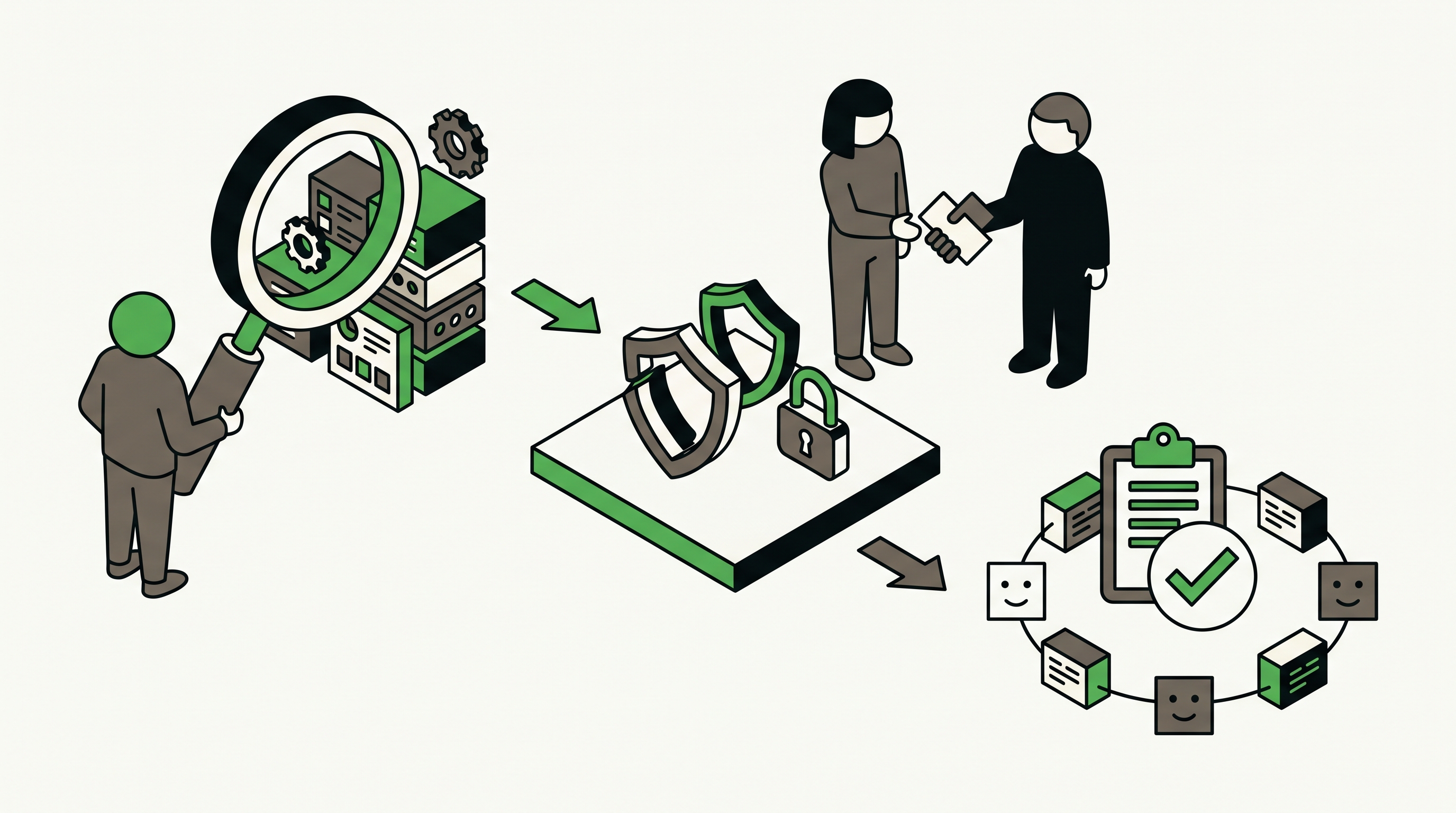
The Risk Of Treating This Like Just Another Paid Update
Some marketers will see healthcare AI Mode ads as a media innovation story and move on. That misses the real shift.
Google is not just adding inventory. It is changing where decision-shaping happens. OpenAI is doing something similar from the other direction. In January 2026, OpenAI introduced ChatGPT Health, a dedicated health experience that can connect medical records and wellness apps so users can ask more contextual health questions. Whether a patient starts in ChatGPT or Google, the early research layer is getting more personal, more private, and more answer-driven.
That makes weak trust pages expensive in two ways.
First, they lower your odds of being surfaced or trusted during AI-driven discovery.
Second, they waste the value of higher-intent traffic when the user does click.
Healthcare brands that win the next phase will not be the ones with the flashiest landing page experiments. They will be the ones with clearer proof, cleaner answers, better provider detail, and tighter alignment between paid media and on-site trust.
FAQ
Are Healthcare Ads Already Live In Google AI Mode?
Not broadly. As of early June 2026, Google confirmed a small U.S. English-language test for healthcare advertisers in AI Mode, according to Search Engine Land’s reporting on comments from Google Ads Liaison Ginny Marvin.
Why Do Trust Pages Matter More If AI Mode Ads Expand?
Because the user often arrives after the AI has already summarized, compared, or filtered options. That makes the click more qualified, but also more skeptical. The page has to validate what the AI surfaced.
Should Healthcare Marketers Build Separate Pages For SEO And AI Mode Ads?
Usually not. Separate pages often create a trust mismatch. It is usually better to strengthen a small set of core pages so they can support both citation and conversion with consistent facts and clearer proof.
What Should Behavioral Health Brands Fix First?
Start with admissions, treatment, and proof pages. Make staff credibility, program fit, privacy expectations, and insurance process easier to understand in the first screenful of content.
Will This Replace Traditional Search Campaigns?
No. Traditional search campaigns still matter. The point is that AI-driven discovery is taking on more of the education and comparison work before the click, so page quality has to catch up.
What Should A Healthcare Marketing Team Do This Week?
Audit your five most important patient-acquisition pages, rewrite the opening sections around real screening questions, and remove any vague claims that would be hard for a patient, reviewer, or AI system to verify.
What To Do Monday Morning
Run one simple test: ask ChatGPT or Google AI Mode a question a real patient or family member would ask before contacting you. Then click through to the page most likely to win that visit.
If the page does not quickly confirm who you help, why you are credible, and what the next step looks like, that is your priority. Not more blog volume. Not a prettier CTA. Not a new ad campaign on top of weak trust pages.
Healthcare AI Mode ads may still be in a limited test on June 17, 2026. The preparation work is not limited. The brands that treat trust content like infrastructure now will be in a much better position when AI search becomes an even bigger part of patient acquisition.