The Best AI Marketing Agents In 2026
Discover the top AI marketing agents of 2026 that streamline workflows, save time, and enhance efficiency without adding review burdens. Find the right fit for your team.
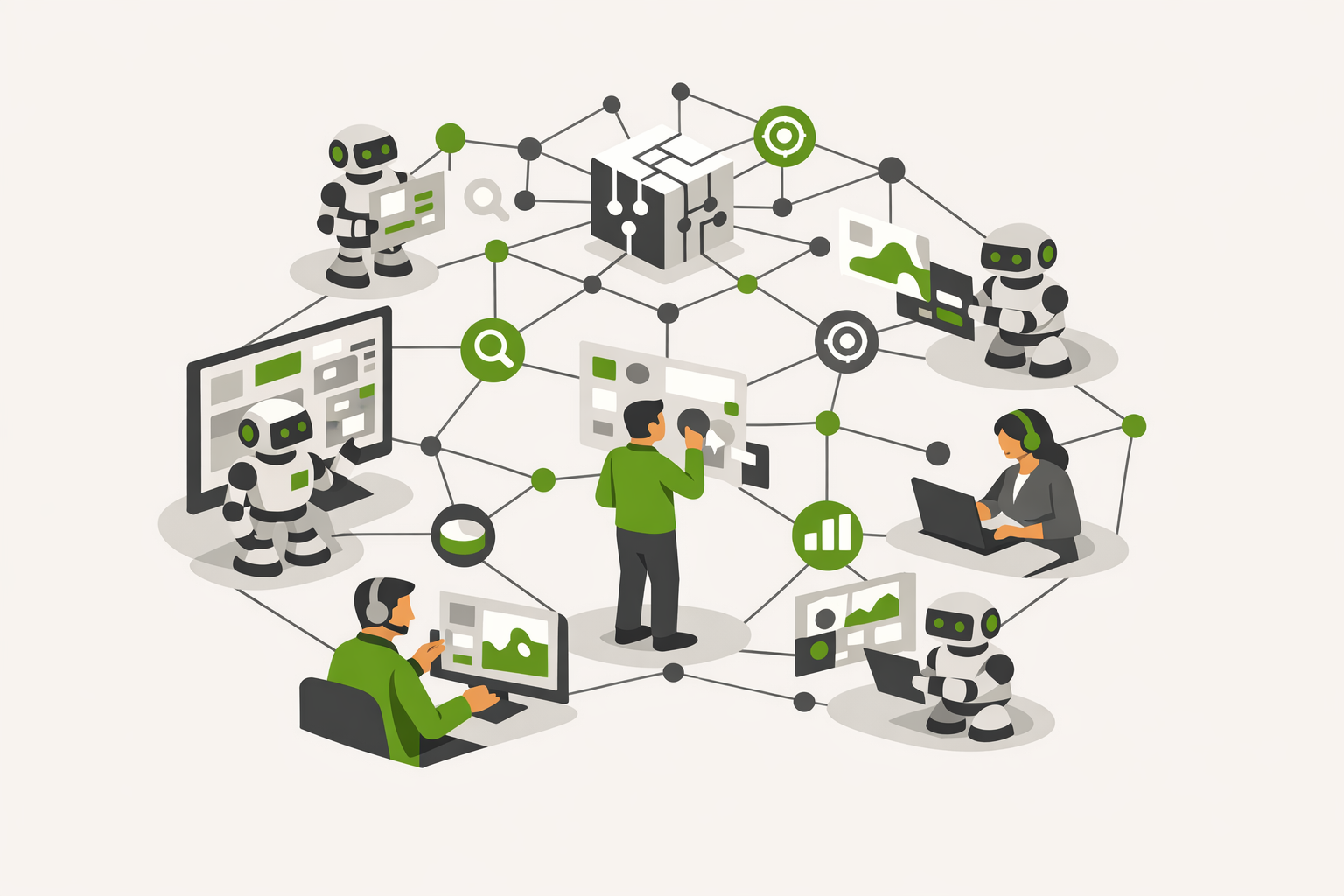
Most teams do not need more AI features. They need AI that can take a marketing job, complete it with reasonable oversight, and fit into an actual workflow. That is the difference between a chatbot that writes drafts and an agent that can research competitors, build campaign assets, monitor performance, and hand off work in a usable format.
If you are evaluating the best AI marketing agents 2026 has to offer, start with a simple filter: does the product save operator time on repeatable work without creating a bigger review burden? If the answer is no, it is not an agent worth buying, it is just another interface.
This guide breaks down what matters, where different tools are strong, and which options make sense for agencies, in-house marketers, healthcare groups, B2B teams, and local businesses. If you need a baseline on how ai marketing agents work, that primer helps. If you are comparing service-led support with software, Emarketed’s AI Marketing Agents service and its resource on best AI marketing agent platforms are useful next reads.
What Counts As An AI Marketing Agent
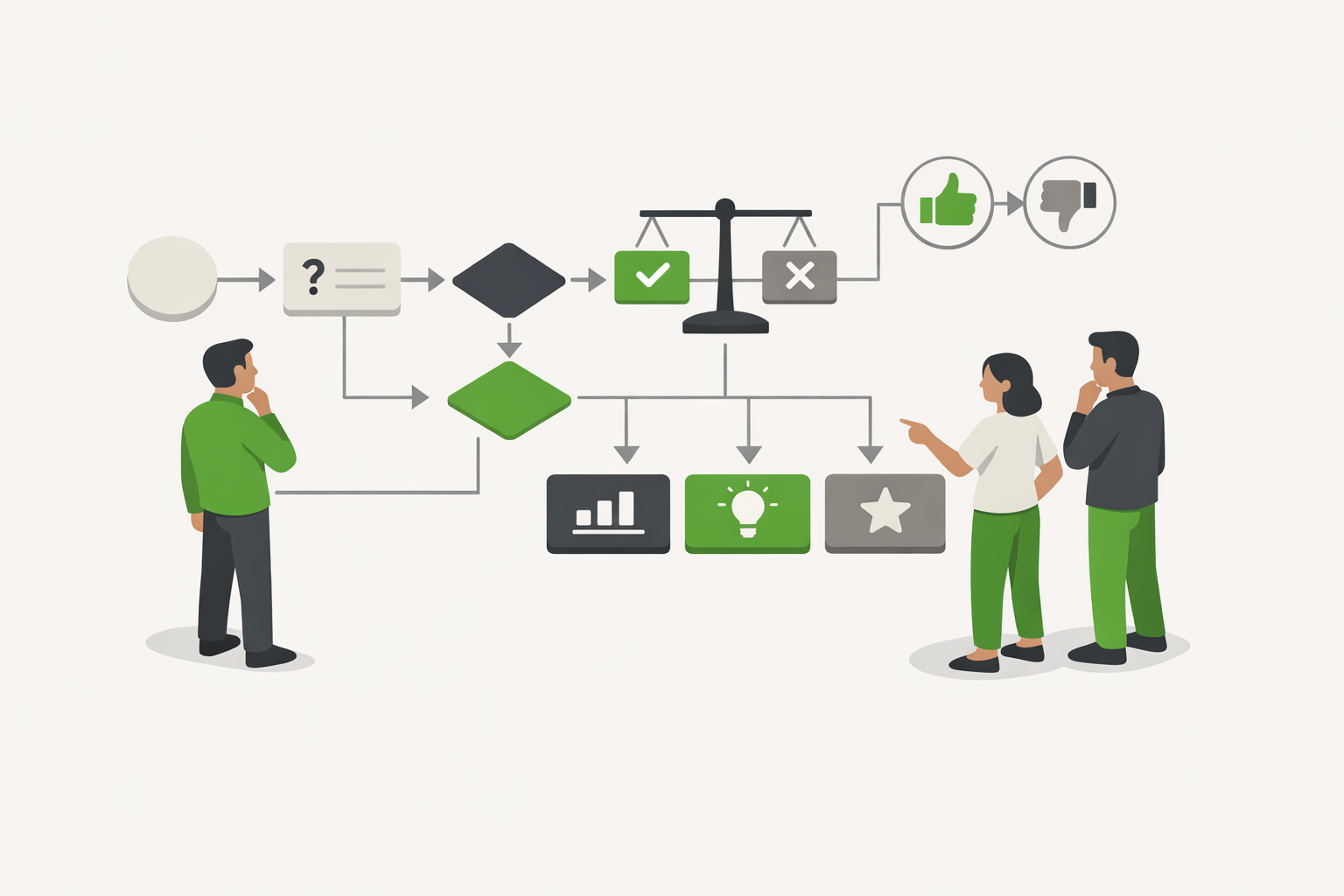
An AI marketing agent is not just a writing assistant. It is a system that can interpret a goal, take a sequence of actions, use tools or data sources, and return work that moves a campaign forward.
In practice, that can include things like:
- Researching keywords, competitors, and audience questions
- Drafting content briefs, ads, emails, and landing page copy
- Pulling data from analytics and summarizing performance
- Recommending next actions based on campaign results
- Automating routing, approvals, and reporting tasks
The strongest products do not try to replace your team. They remove low-value manual work and tighten the feedback loop between insight, execution, and optimization.
How To Evaluate The Best Options
Autonomy Without Chaos
Good agents can complete a defined task with limited prompting. Bad ones need so much hand-holding that the time savings disappear. Look for bounded autonomy, not a vague promise of full automation.
Access To Real Marketing Data
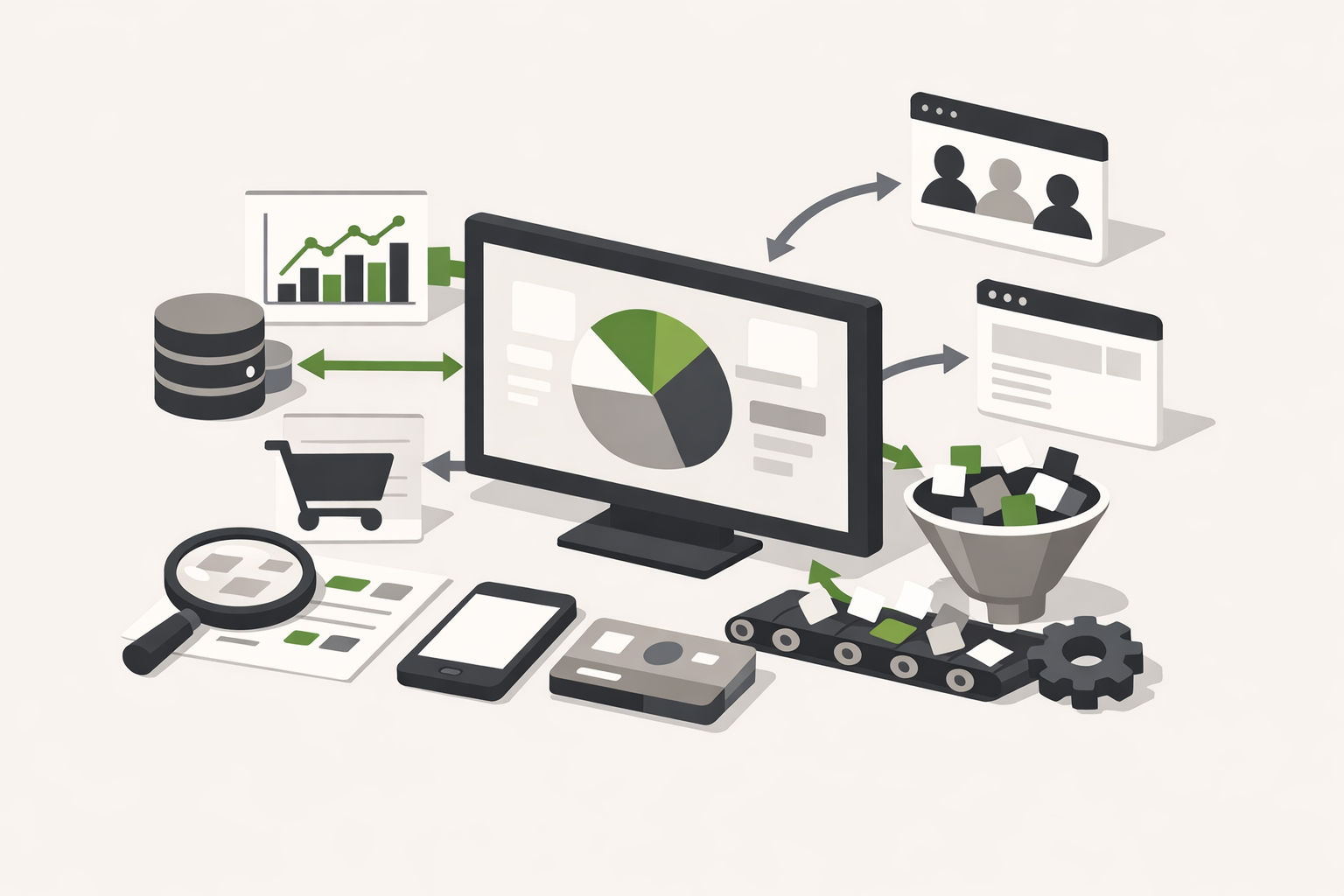
An agent that cannot connect to ad platforms, analytics, CRM data, search data, or your CMS will stay generic. The more context it has, the more useful its output becomes.
Workflow Fit
Marketers do not work in one tool. The best systems fit into Slack, Google Workspace, Microsoft environments, ad platforms, SEO stacks, and project management tools. Integration depth matters more than flashy demos.
Governance And Review Controls
This is non-negotiable for healthcare, regulated services, and multi-location brands. You need approval steps, prompt history, role permissions, and traceability. The U.S. Federal Trade Commission has repeatedly warned brands against deceptive or unsubstantiated AI-enabled claims, which makes human review especially important for ad copy and testimonials: https://www.ftc.gov/business-guidance/artificial-intelligence.
Specialization By Channel
Some agents are broad orchestration tools. Others are narrow but excellent in one area such as SEO, paid search, social, or email. Buyers often overvalue breadth and undervalue execution quality.
The Best AI Marketing Agents By Use Case
OpenAI For Strategy, Content, And Custom Workflows
OpenAI remains one of the most flexible choices for marketing teams that want to build repeatable internal processes around research, messaging, content planning, and analysis. Its strength is not that it is a packaged marketing suite. Its strength is that capable teams can shape it into one.
For agencies and B2B teams, this works well for content briefs, account research, sales enablement drafts, and campaign ideation. It is less useful as a standalone reporting or ad operations system unless you connect it to other tools.
Google Gemini For Search, Workspace, And Media Teams
Gemini is a practical fit for organizations already deep in Google Workspace and Google Ads. It is strongest when marketing work depends on Docs, Sheets, Gmail, and search-driven campaign planning.
For local and regional businesses, that ecosystem advantage matters. Teams can move faster when the agent sits close to the tools they already use instead of forcing a new operating model. Google also continues to push AI into search experiences, so teams focused on visibility should watch how content gets surfaced and summarized across Google properties: https://blog.google/products/search/generative-ai-search/.
Microsoft Copilot For B2B And Enterprise Operations
Copilot makes the most sense in Microsoft-heavy organizations. If your team lives in Outlook, Excel, PowerPoint, Teams, and Dynamics, Copilot can reduce friction across reporting, presentation creation, meeting summaries, and internal coordination.
It is not the first tool most marketers think of when they hear best ai agents for marketing 2026, but for B2B companies with long sales cycles and dense internal processes, it can create real operating efficiency. The value is often higher on the operations side than the creative side.
HubSpot AI For Mid-Market Inbound Teams
HubSpot’s AI features are compelling because they sit inside a CRM and marketing automation environment that many SMBs already use. That means the agent can work closer to lifecycle stages, lead data, email workflows, and attribution.
For teams that want one ai marketing platform with campaign execution and customer data in one place, HubSpot is a serious option. It is especially useful for B2B lead nurturing and service businesses that need alignment between marketing and sales.
Jasper For Brand-Controlled Content Production
Jasper still deserves a spot on buyer shortlists for organizations that care about content velocity with tighter brand consistency. Its templates and workflow orientation make it easier for teams to scale copy production without every output sounding like a first-pass chatbot response.
That said, Jasper is best when paired with a clear editorial process. It helps teams produce more, but it does not remove the need for subject matter expertise or channel-specific editing.
Writer For Governance-Heavy Organizations
Writer is often a better fit than more open-ended tools when compliance, brand control, and enterprise governance are central concerns. Healthcare systems, financial services firms, and large distributed teams tend to value control more than novelty.
If your legal or compliance team is involved in content review, Writer’s structured environment can be more practical than a general-purpose model interface.
Agentic SEO And Visibility Tools For Search Teams
A growing category focuses less on generic content generation and more on visibility across search engines and AI answer surfaces. That matters because ranking alone is no longer the whole job. Brands also need to be cited, summarized, and retrieved in AI-assisted experiences.
This is where the best ai marketing agents 2026 conversation gets more nuanced. The strongest tools are not just writing pages. They help teams identify entity gaps, source coverage, structured content opportunities, and answer-oriented content formats. For marketers trying to adapt to generative search behavior, this category is worth serious attention. Google’s overview of generative AI in Search is a good reference point for how search presentation continues to change: https://blog.google/products/search/generative-ai-search/.
What Different Buyers Should Prioritize
Agency Owners
Agencies should care about margin protection, repeatability, and output quality across accounts. The best setup is usually a combination, one general agent for research and drafting, one channel-specific stack for SEO or paid media, and a clear QA process.
Do not buy based on novelty. Buy based on whether junior and mid-level staff can produce stronger work faster without senior staff spending all day fixing it.
Healthcare Facilities
Healthcare marketers need governance first, efficiency second. Any agent touching patient-facing messaging, treatment claims, intake content, or paid ads needs strict review. The U.S. Department of Health and Human Services also maintains HIPAA guidance that should shape how teams think about data handling and vendor access: https://www.hhs.gov/hipaa/index.html.
That usually points toward controlled environments, documented workflows, and service partners who understand regulated marketing.
B2B Companies
B2B teams should prioritize research quality, CRM integration, and content that supports long buying cycles. A flashy social content agent may not move the needle much. An agent that helps account research, email sequencing, webinar promotion, and sales content probably will.
Local And Regional Businesses
Local brands need practical help with listings, reviews, local content, paid search, and conversion-focused landing pages. They should avoid bloated enterprise suites unless they have an in-house team to manage them. Simpler systems with clear ROI usually win here.
Where Buyers Still Get This Wrong
The most common mistake is assuming one tool should do everything. It will not. Marketing is too fragmented, and most vendors are still stronger in some jobs than others.
The second mistake is treating AI output as finished work. Even the best systems can produce weak assumptions, stale positioning, or confident nonsense when the prompt, data, or context is poor. Stanford’s Human-Centered AI work has consistently highlighted the need for careful evaluation of model behavior and limitations, especially as adoption rises: https://hai.stanford.edu/.
The third mistake is ignoring implementation. A decent tool with a real workflow beats a better tool with no owner, no standards, and no integration plan.
How To Build A Smarter Shortlist
- Define three to five repeatable marketing jobs you want to improve.
- Map the data sources required for each job.
- Test outputs inside your real approval process, not a demo environment.
- Measure time saved, revision load, and downstream performance.
- Choose the tool or partner that fits your operating model, not just your wishlist.
If you are researching the best ai agents for marketing 2026, this is the part that matters most. A shortlist is only useful if it reflects your team’s actual constraints.
FAQ
Are AI Marketing Agents Replacing Marketing Teams?
No. They are reducing manual work and compressing production time. Strong teams use them to improve throughput, analysis, and consistency, not to remove strategic oversight.
What Is The Best AI Marketing Agent For Small Businesses?
There is no universal winner. Small businesses usually benefit most from tools that are easy to adopt, tied to existing systems, and focused on one or two high-value jobs such as content production, lead follow-up, or ad support.
Do AI Agents Help With SEO And AI Search Visibility?
Yes, especially when they support research, content structuring, entity coverage, and answer-focused optimization. The gap is that many generic tools still do not understand visibility beyond traditional rankings.
Should Regulated Industries Use AI Marketing Agents?
Yes, but with stronger controls. Healthcare, legal, and financial brands should use approval workflows, limit data exposure, and keep humans responsible for claims, compliance, and final publication.
How Should Buyers Compare Platforms Versus Services?
Platforms are useful when you have internal capacity to operate them well. Services make more sense when you need strategy, implementation, and accountability together. Many SMBs need both, a good system plus expert oversight.
What Smart Teams Will Do Next
The market is moving away from general AI excitement and toward operational proof. Buyers want to know which agents can improve campaign performance, protect brand quality, and fit the way their teams already work.
That is why the winners in this category will not just be the loudest software brands. They will be the tools and partners that connect research, execution, visibility, and measurement in a way marketers can trust. If you want a broader vendor comparison, review the best ai marketing agents 2026 resource. If you need a more hands-on path, Emarketed’s service-led approach is built for businesses that want AI-driven execution without turning their marketing department into a software experiment.