How AI Search Changes The Rehab Admissions Funnel
AI tools now shape rehab research before families call. Here is how behavioral health marketers should rebuild the admissions funnel for trust and conversion.

The rehab admissions funnel no longer starts when a family lands on your website or fills out a form. It often starts inside an AI assistant, where people sort through cost, safety, insurance, privacy, detox, and fit questions before your admissions team ever gets a chance to speak.
That shift is already visible in the data. A KFF Tracking Poll published on March 25, 2026 found that 32% of adults are using AI for health information or advice, including 16% who used it for mental health information or advice. KFF also found that 41% of AI health users turned to AI before seeing a provider and 36% said privacy was a major reason. Add that to Pew Research Center’s April 7, 2026 findings that 22% of Americans get health information from AI chatbots at least sometimes, and the behavioral shift becomes hard to dismiss.
For rehab centers, the practical takeaway is simple: AI is moving education, comparison, objection-handling, and trust checks upstream. If your site still assumes the first meaningful interaction happens on a phone call, your admissions funnel is behind the way families now research care.
The First Stage Of Admissions Now Happens Before The Visit
Behavioral health marketers have spent years optimizing for rankings, calls, and form fills. Those still matter. What changed is the layer that sits before them.
On January 7, 2026, OpenAI introduced ChatGPT Health, saying that over 230 million people globally ask health and wellness questions in ChatGPT each week. Then on May 7, 2026, OpenAI introduced Trusted Contact in ChatGPT, an optional feature that can notify a trusted person if a conversation suggests a serious self-harm concern. Those are not just product announcements. They are signals that health and mental health conversations are becoming a normal AI use case, often with privacy and family dynamics built into the experience.
That matters because the admissions funnel in behavioral health has always depended on uncertainty reduction. Families want to know:
- whether treatment is necessary now or later
- whether detox is required
- whether insurance will help
- whether a center sounds legitimate
- whether a loved one will be safe
- whether family involvement is possible
Those questions used to get handled across search results, review sites, referral calls, and admissions conversations. Now, a large share of that work begins in AI.
If you want a useful frame for this shift, stop thinking about AI search as a traffic channel and start thinking about it as a pre-admissions environment. It is the place where families form first impressions, test early questions, and eliminate providers before they ever reveal themselves as leads.
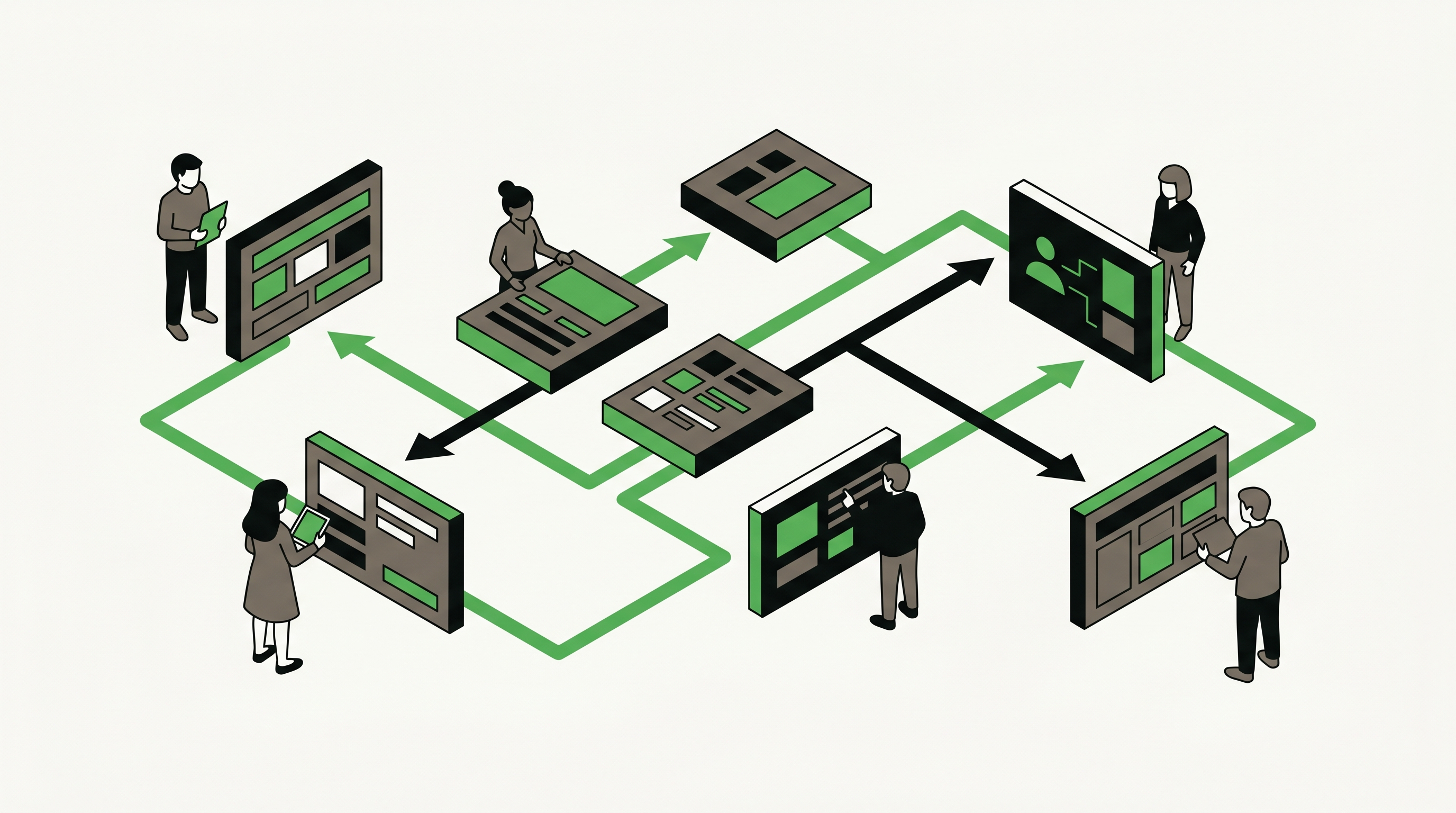
Four Admissions Steps Have Moved Upstream
The old funnel was easier to model: search, click, browse, call, admit. The new one is messier, but it is also more honest. Families do more decision work before the click.
Education Happens In Private
KFF found that quick answers, pre-provider research, and privacy are major reasons people use AI for health advice. That lines up with how behavioral health decisions actually happen. People are often scared, overwhelmed, or unsure whether they are overreacting. They want a low-friction way to ask questions without triggering a sales process.
This private stage matters because it changes what counts as top of funnel. A late-night prompt asking about detox timelines, co-occurring disorders, or whether a patient can refuse treatment is not low intent. It is early intent. The buyer has not called yet, but the evaluation process has already started.
Qualification Starts Before Admissions Gets The Call
Families are using AI to figure out whether a center belongs on the shortlist. That includes treatment fit, travel burden, insurance questions, safety concerns, and whether the program seems clinically credible.
The NIAAA Alcohol Treatment Navigator’s recommended questions for treatment programs make this easier to see. It tells people to ask about availability, insurance coverage, accreditation, staff qualifications, assessment quality, level of care, and family-related support. In other words, national guidance already reflects the same questions families are now routing through AI tools before they talk to anyone.
If your website does not answer those decision-stage questions clearly, AI will either pull weak signals from scattered pages or skip your brand in favor of someone whose trust signals are easier to summarize.
Objection Handling Starts Earlier Too
Admissions teams are used to handling friction live: “Does insurance cover this?” “What if my loved one refuses?” “Will detox be miserable?” “How involved can family be?” AI is now handling the first round of those objections, whether your team is prepared for it or not.
That changes content priorities. The pages that matter most are no longer just service descriptions. They are pages that help families resolve uncertainty before the first call. For many centers, that means building out a stronger set of trust assets and answer pages, not just publishing more awareness content.
Trust Gets Decided Faster
Pew’s April 2026 research found that people see AI health information as convenient and easy to understand, but not necessarily highly accurate. That tension matters. Families may start with AI for speed, then judge your brand fast once they start verifying sources.
This is why vague rehab copy is more expensive now. If AI surfaces your page and the page only offers polished promises instead of clear answers, you lose the trust check at the exact moment the funnel should be getting stronger.
Why Most Rehab Websites Underserve The New Funnel
Most rehab sites were built for one of two jobs: rank for service terms or persuade on-page once someone arrives. Both jobs still matter, but neither fully covers the upstream AI research stage.
Here is where the gap usually shows up:
- insurance pages that explain almost nothing
- detox pages that stay broad and noncommittal
- weak staff and credential signals
- no page that explains what happens in the first 24 hours
- family involvement details buried in generic FAQs
- service pages that describe treatment but do not explain fit
That weakens the funnel in two ways. First, it gives AI systems less clean material to cite or summarize. Second, it makes families do extra work once they click through, which increases drop-off before the call.
This is also where drug rehab marketing services should look different in 2026. The goal is not just more visibility. The goal is to build a digital admissions environment that helps families move from uncertainty to informed action.
We already covered part of this behavior in What Families Ask ChatGPT Before They Call Rehab. The next step is operational: rebuild the funnel around the questions that now get answered before your team hears the phone ring.
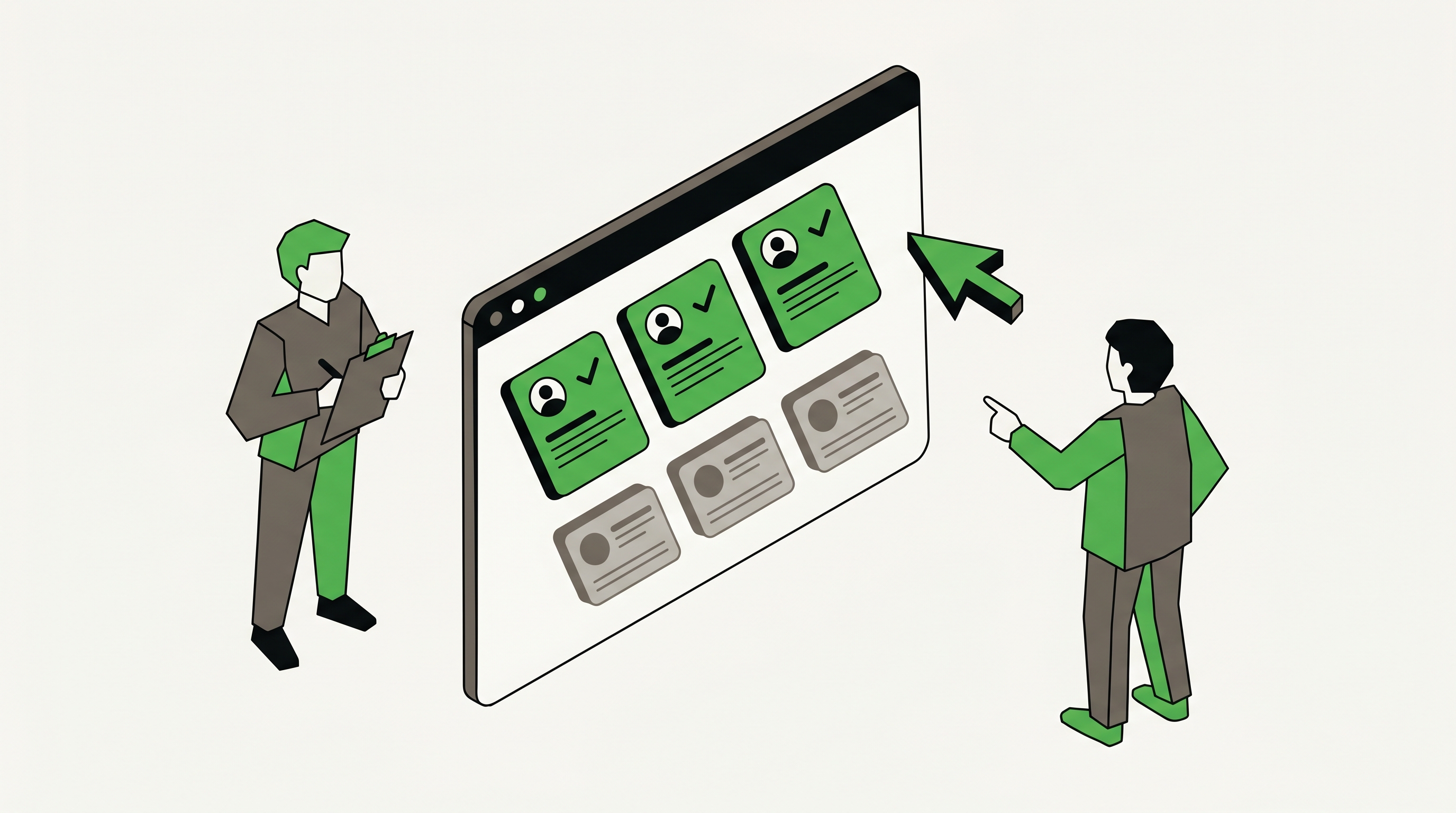
What A Smarter Rehab Admissions Funnel Looks Like Now
The fix is not complicated, but it does require a different mental model.
Build For The Questions That Shape Shortlists
Start with the recurring questions families ask before they commit to a call. Insurance. Detox risk. Clinical oversight. Family role. Privacy. Transportation. Dual diagnosis. Length of stay. Cost expectations. Intake timing.
Those topics deserve dedicated space, not passing mentions inside a long service page. If a question influences whether a center even makes the shortlist, it belongs high in your content architecture.
Turn Admissions Scripts Into Website Assets
Your admissions team already knows the funnel better than your keyword tool does. Pull call transcripts, chat logs, email threads, and intake notes. Then group the questions by stage:
- before the family is ready to call
- while they are comparing options
- right before admission
- immediately after the first conversation
That map should shape page creation, FAQ structure, and page intros. A lot of rehab content underperforms because it reflects marketing assumptions instead of admissions reality.
Make Trust Signals Easy To Extract
The NIAAA guidance is blunt about what people should verify: licensing, accreditation, staff qualifications, assessment quality, evidence-based treatment, and continuing support. Those signals should be easy to find and easy to understand.
That means clear clinical bios, transparent process explanations, visible accreditations, realistic insurance guidance, and plain-language descriptions of what an assessment actually covers. AI systems can summarize that material more reliably, and families can verify it faster.
Rework Conversion Pages For Decision-Stage Clarity
A high-performing admissions page now has to do more than capture contact information. It should reduce ambiguity around who answers, what happens next, what information is needed, how insurance verification works, and what a family can expect if they call after hours.
This is where many teams lose momentum. They drive a motivated visitor to a page that feels like a wall of brand language instead of a next-step guide. The result is a softer funnel than the traffic numbers suggest.
The Funnel Metrics That Matter More In AI Search
The reporting layer has to change too. If AI is influencing who reaches your site and how informed they are before the first call, you cannot judge the funnel with traffic and form count alone.
Start watching:
- branded search growth after major content updates
- changes in call quality, not just call volume
- average time from first visit to inquiry
- pages visited before contact on admissions-driven paths
- AI citation or mention patterns for key rehab prompts
- admissions feedback on what callers already seem to know
Those last two points are especially useful together. If families increasingly arrive already informed about detox, insurance verification, or family policy, your upstream content is doing part of the admissions work before the call starts.
At Emarketed, we have seen how much durable trust signals matter in healthcare. Seasons in Malibu holds 4,200+ keyword rankings and 814,230 social impressions in a recent month, while cited pages grew from 122 to 190 and AI mentions rose from 49 to 122. That is not just a visibility story. It shows what happens when SEO, AEO, paid search, social, and web all support the same trust footprint before an admissions conversation begins.
A Practical 30-Day Rebuild For Behavioral Health Teams
If a rehab brand wanted to act on this now, I would use a simple 30-day sequence.
Week 1: Audit The Real Questions
Pull the last 50 admissions conversations and highlight every question tied to cost, safety, family involvement, fit, timing, and privacy. Do not rewrite them into marketing language. Keep the wording close to how families actually ask.
Week 2: Rewrite The Highest-Leverage Pages
Start with the admissions page, insurance page, detox page, primary program page, and any family-related FAQ or guide. Move direct answers higher. Remove filler. Make process, qualifications, and next steps easier to scan.
Week 3: Publish Three Decision-Stage Pages
Good candidates include:
- how insurance verification works for rehab
- what happens in the first 24 hours of treatment
- how clinical assessment determines the right level of care
These are not filler blog posts. They are conversion-support assets.
Week 4: Align Admissions And Marketing Reporting
Ask your admissions team what callers already understand, what they still get wrong, and which questions keep repeating. That feedback loop is one of the fastest ways to spot whether AI-influenced pre-call education is improving or whether the site is still leaving too much unsaid.

FAQ
Does AI Search Really Affect Rehab Admissions, Or Just Website Traffic?
It affects admissions because it shifts research and trust-building earlier. Families can now learn, compare, and rule out providers before they ever speak to your team. Traffic is only part of the story.
What Questions Should Rehab Centers Answer First?
Start with insurance, detox, treatment fit, privacy, family involvement, staff credentials, accreditation, and what happens after the first call. Those are the questions most likely to shape whether a family moves forward.
Should Rehab Brands Build More Blog Posts Or More Decision-Stage Pages?
Most need more decision-stage pages first. If your site does not clearly answer the questions families use to qualify providers, another generic blog post will not fix the weak point in the funnel.
How Can Admissions Teams Help Improve AI Search Performance?
Their call data is one of your best content inputs. The objections, concerns, and wording they hear every day should shape page topics, intros, and FAQs because those are often the same questions families ask AI first.
What Is The Fastest Way To Improve This Funnel In The Next Month?
Audit admissions conversations, rewrite the highest-trust pages, publish a small set of decision-stage explainers, and review how much better prepared callers seem. That sequence usually improves both trust and conversion quality faster than chasing more top-of-funnel traffic.
What To Do Monday Morning
Open your admissions page, insurance page, detox page, and top program page side by side. Then ask one question: if a family arrived here after a 20-minute AI research session, would these pages help them take the next step or force them to start over?
If they have to start over, the funnel is leaking before the first call. Fix that layer first.