Google's March 2026 Core Update and AI Overviews Are Squeezing Organic Traffic from Both Sides
Google's March 2026 Core Update and a 5.6x surge in AI Overviews on shopping queries are hitting organic traffic at once. Here's what agencies and healthcare marketers need to do right now.
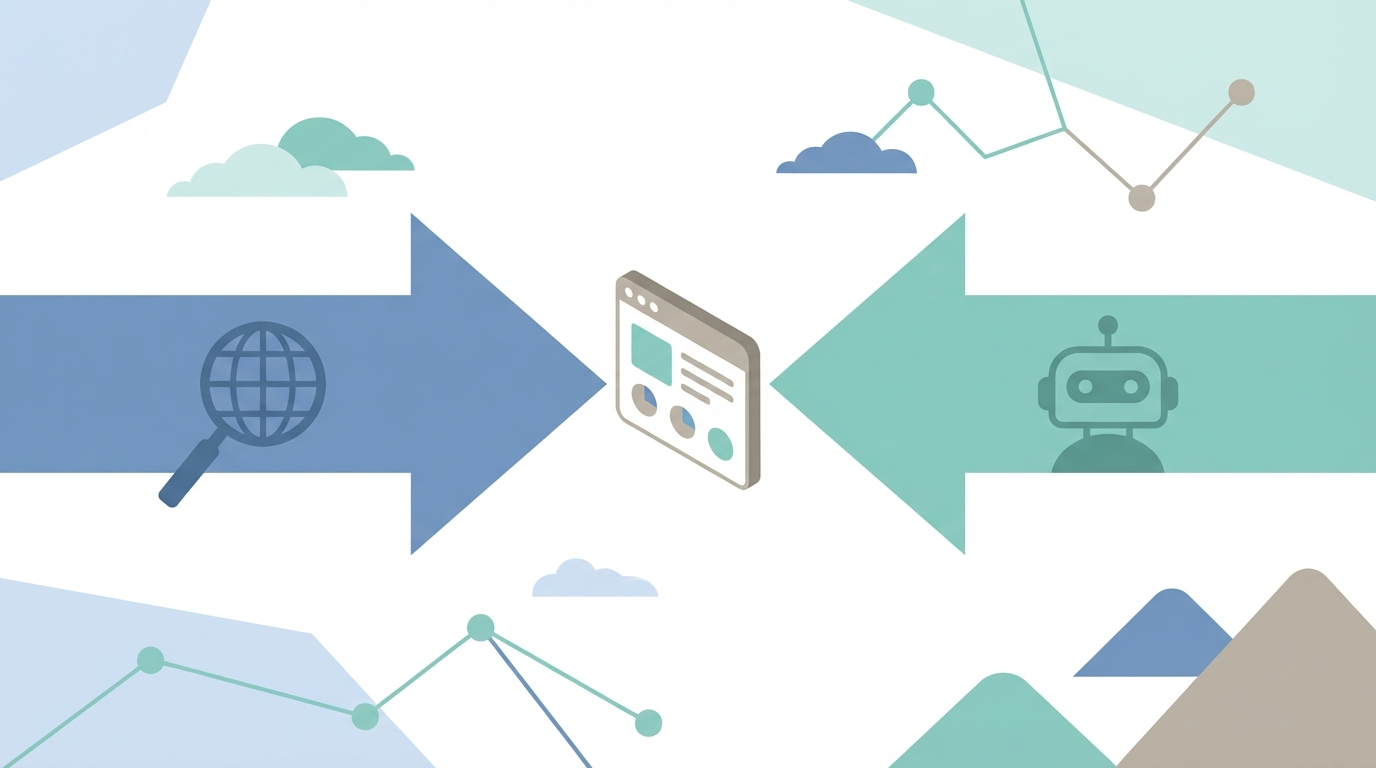
Two things happened in March 2026 that every agency needs to talk about with their clients. Google rolled out a broad core update with stricter quality signals and a crackdown on low-authority content. At the same time, AI Overviews on shopping queries jumped to 14%, a 5.6x increase from November 2025. These two changes are not unrelated. They represent Google pushing harder on two fronts at once: penalizing weak content from below and replacing clickable results from above. For agencies and healthcare marketers, the window to respond is narrow.
What the Double Squeeze Actually Means
If your client’s site was hit by the March core update, there is a reasonable chance AI Overviews are also eating the clicks from the queries where they still rank. The two problems compound each other.
Before this month, agencies could manage one or the other. A site losing rankings needed a content quality audit. A site seeing declining CTR despite rankings needed an AI visibility strategy. Now both conversations are happening at the same time, with the same clients, and the fixes are different.
The core update rewards depth, expertise, and clear authorship. AI Overviews reward structured, citable answers. These are compatible goals, but they require different workflows to execute. Agencies that haven’t built both capabilities into their service delivery are going to struggle to explain what’s happening, let alone fix it.
The March 2026 Core Update analysis from Kahunam confirmed volatility across health, finance, and e-commerce verticals from March 5 through March 12, with recovery signals beginning to appear for sites that had strong E-E-A-T signals prior to the rollout. Sites built on thin, AI-generated content saw the steepest drops.
What the March 2026 Core Update Actually Changed
Google’s March 2026 update introduced three identifiable shifts, according to SEO Vendor’s complete breakdown for agencies:
Stricter E-E-A-T signals. Experience, Expertise, Authoritativeness, and Trust are no longer evaluated primarily at the domain level. Google appears to be assigning E-E-A-T scores at the page and author level. This means a single page with weak authorship signals can underperform without dragging the whole domain, but it also means a site with inconsistent author attribution across its content library may see scattered, confusing ranking changes.
Crackdown on parasitic SEO. This term refers to site sections that operate independently from the core brand, often created to capture search traffic in a different niche. Think: a local plumber who added a “legal tips” section to rank for unrelated queries. Google’s classifiers have gotten better at identifying this kind of content and discounting it, sometimes causing collateral damage to the surrounding site sections.
Content freshness signals tightened. Pages with stale factual claims, outdated statistics, or publication dates more than 18 months old without meaningful updates are seeing volatility. This hits healthcare sites especially hard, where treatment guidelines, statistics, and regulatory context change frequently.
The key distinction in this update is that recovery is not about removing content. Sites that aggressively deleted thin pages during past core updates sometimes hurt their overall authority by reducing topical coverage. The better play is to upgrade, not remove: add author bios with verifiable credentials, update factual claims with sourced statistics, and ensure every piece of content has a clear reason to exist for a specific user.
AI Overviews at 14% of Shopping Queries: The Other Side of the Problem
While the core update story was dominating industry channels, a separate report dropped with equally significant implications. According to Search Engine Land’s March 18 coverage, Google AI Overviews now appear on 14% of shopping queries, up from 2.1% in November 2025. That is not incremental growth. That is a category shift.
What this means in practice: a customer searching for a specific product, service, or solution is now seeing an AI-generated summary at the top of the page before they see any brand’s result. The AI Overview may mention specific products, compare options, or recommend categories. The user may not scroll past it.
For e-commerce brands and service businesses, this changes the math on organic traffic projections. A first-page ranking that used to convert at a 4-6% CTR may now convert closer to 1-2% when an AI Overview sits above it. The impressions are there. The clicks are not.
The implications for healthcare and professional services are just as direct. High-intent queries like “best drug rehab near me,” “anxiety treatment options,” or “what is the best medication for [condition]” are exactly the kind of informational-commercial hybrid queries AI Overviews are designed to answer. If your client is not cited inside that AI Overview, they are invisible to users who never scroll down.

What Healthcare Marketers Need to Know Right Now
Healthcare and behavioral health are two of the verticals most exposed to both parts of this squeeze. Here is why.
Google’s E-E-A-T framework has always treated health content as YMYL (Your Money or Your Life), meaning the quality bar for ranking has always been higher. The March update raised that bar again. Treatment center pages, provider bios, and service descriptions that lack verifiable credentials, clear authorship, and up-to-date clinical accuracy are at greater risk of losing rankings.
At the same time, AI Overviews on queries like “how does inpatient rehab work” or “signs of opioid addiction” are becoming the first point of information for patients and families starting their search. A treatment center that isn’t optimized for AI citation, even if it ranks on page one, is giving up the most visible position in the search result. For more on how this is playing out in the healthcare space, the guide to healthcare AI Overviews and patient search behavior in 2026 covers the specific query patterns to prioritize.
The action items for healthcare marketers are concrete:
Update all provider and clinical staff bios. Credentials, specializations, and professional associations should be clearly marked up with structured data. Author schema is not optional anymore.
Audit treatment pages against current clinical standards. If a page cites statistics or guidelines from 2022 or 2023, update them. Google’s freshness signals will penalize stale health content, and so will AI citation algorithms that evaluate source authority.
Build FAQ content optimized for AI citation. Clear question-and-answer formatting, with specific rather than vague answers, significantly increases the likelihood of being cited in an AI Overview. If your page answers “what is the average length of a residential treatment stay” with a clear, sourced answer, that answer is a candidate for inclusion. If it says “treatment length varies depending on the individual,” it is not.
How Agencies Should Respond: A Practical Action Plan
The good news is that the fixes for the core update and the fixes for AI Overviews overlap significantly. Both reward the same underlying content qualities: depth, authority, structure, and accuracy.
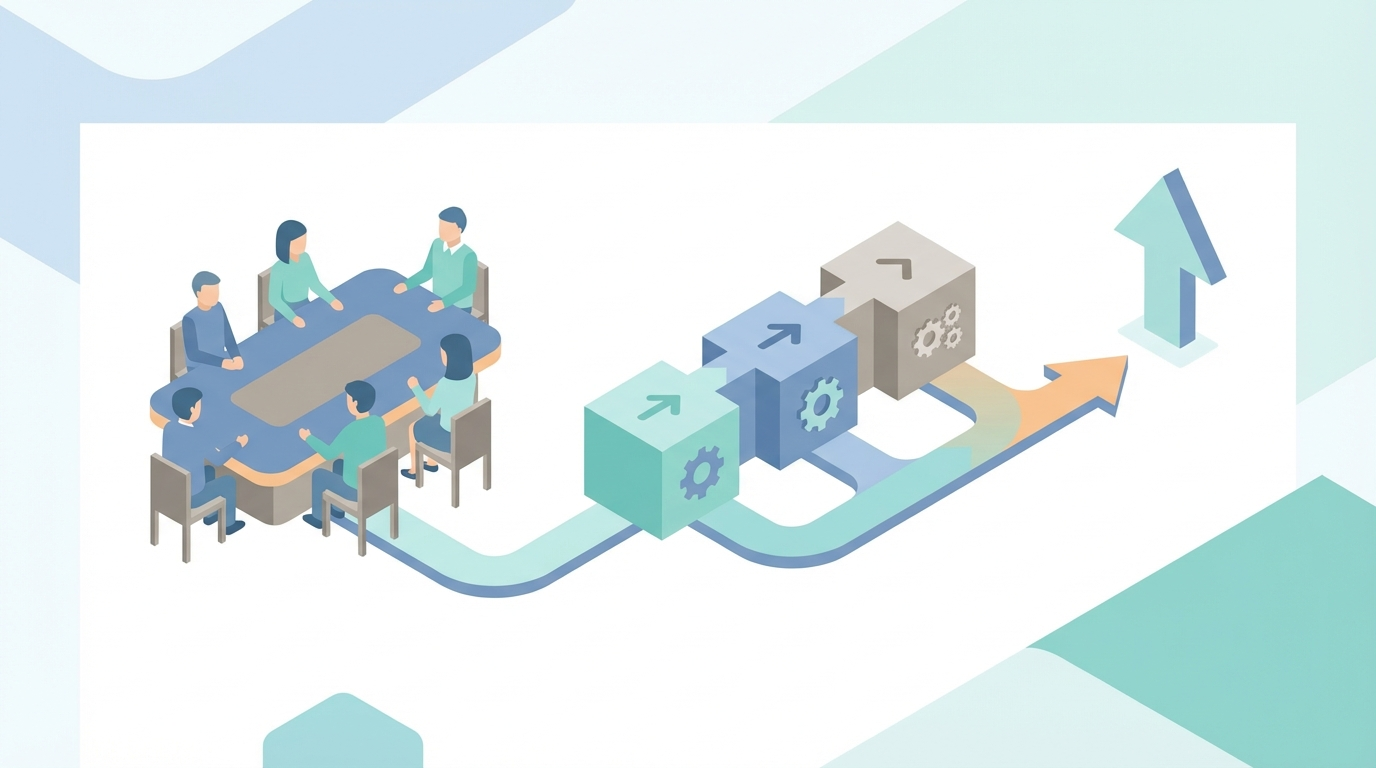
Here is the sequence that makes sense for most agency clients right now:
Step 1: Triage with a full technical and content audit. Before recommending any fixes, understand what actually changed for each client. Use tools like the Website Audit to identify which pages lost visibility and whether the pattern points to quality signals, E-E-A-T, or AI Overview displacement. Different diagnoses require different fixes.
Step 2: Prioritize high-intent pages. Focus recovery efforts on the pages driving the most qualified traffic, not necessarily the most traffic overall. A transactional or high-intent page losing visibility to an AI Overview is a revenue problem. A top-of-funnel blog post losing a few ranking positions is a nuisance.
Step 3: Upgrade content for both Google and AI citation. Rewrite pages to include structured headings, direct answers to specific questions, author attribution with credentials, and updated statistics with inline citations. This works for both core update recovery and AI Overview eligibility. The SEO/GEO Audit Checklist is a solid starting framework for running this process systematically across a client’s content inventory.
Step 4: Add structured data. FAQ schema, Article schema with author fields, and Speakable schema increase the machine-readability of your content for AI systems. These are not silver bullets, but they reduce friction for the systems deciding what to cite.
Step 5: Report differently to clients. If you are still reporting organic performance as rankings plus organic sessions, this month is a good time to add AI visibility tracking to your dashboard. Clients seeing stable rankings but declining clicks need to understand why. Framing the AI Overviews displacement clearly, with data, is how you stay ahead of the “why is our traffic down” conversation.
The Competitive Window Is Still Open
The agencies that respond quickly to this have a short window to differentiate. Most clients are confused right now. Traffic changed, rankings changed, and the standard monthly report doesn’t explain either. The agency that walks into that conversation with a clear diagnosis, a concrete fix plan, and a new way to measure success is the one that keeps the client through the volatility and earns the expanded engagement on the other side.
This is what separates an agency that manages campaigns from an agency that builds visibility strategy. If you want to position your team as the latter, the Answer Engine Optimization service is the framework to build around. AEO is not a separate product from SEO. It is SEO extended to cover every surface where an authoritative answer can appear.
The double squeeze is real. So is the opportunity it creates for agencies willing to move first.
FAQ: Google March 2026 Core Update and AI Overviews
What is the Google March 2026 Core Update and when did it happen? Google rolled out a broad core update beginning on March 5, 2026, with the bulk of volatility observed through March 12. The update focused on stricter E-E-A-T enforcement at the page and author level, a crackdown on parasitic SEO content, and tighter freshness signals for YMYL categories including health and finance.
Why did my organic traffic drop even though my rankings didn’t change? If your rankings are stable but your traffic is down, AI Overviews are the most likely explanation. When an AI Overview appears above organic results for a query you rank for, click-through rates on that ranking drop significantly. You still get the impression, but the user may get what they need from the AI response without clicking.
Which industries were most affected by the March 2026 Core Update? Health, finance, e-commerce, and legal verticals saw the most pronounced volatility. Sites in these categories operate under YMYL (Your Money or Your Life) guidelines, meaning Google applies stricter quality standards. Sites with thin content, outdated medical or financial information, or inconsistent authorship saw the largest ranking shifts.
How do I get my content cited in a Google AI Overview? There is no guaranteed formula, but several factors increase the likelihood of citation: structured FAQ formatting with direct answers, strong E-E-A-T signals (clear author credentials, authoritative domain, accurate sourced claims), use of FAQ schema markup, and content that specifically addresses the user’s question rather than providing general background. High-ranking pages are more likely to be cited, so core update recovery and AI citation eligibility often improve together.
Should I delete thin content after a core update? Deletion should be a last resort. If a page serves a legitimate user purpose but is currently thin, upgrading it is almost always better than removing it. Deleting pages reduces your topical authority footprint. Update thin pages with deeper content, add author attribution, and include sourced statistics before considering removal.
How quickly do sites recover after a Google core update? Recovery typically requires waiting for the next core update cycle, which historically occurs every two to four months. However, sites that make substantial quality improvements may see partial recovery signals within four to six weeks. Google has confirmed that meaningful improvements to E-E-A-T signals can accelerate recovery, but full restoration to pre-update positions often takes multiple update cycles.