Your Agency Is Reporting the Wrong Metrics: The New AI Search Scorecard for 2026
AI Overviews now cut organic clicks by 58%. If your agency is still reporting traffic as the primary KPI, you're measuring a world that no longer exists. Here's the new scorecard.
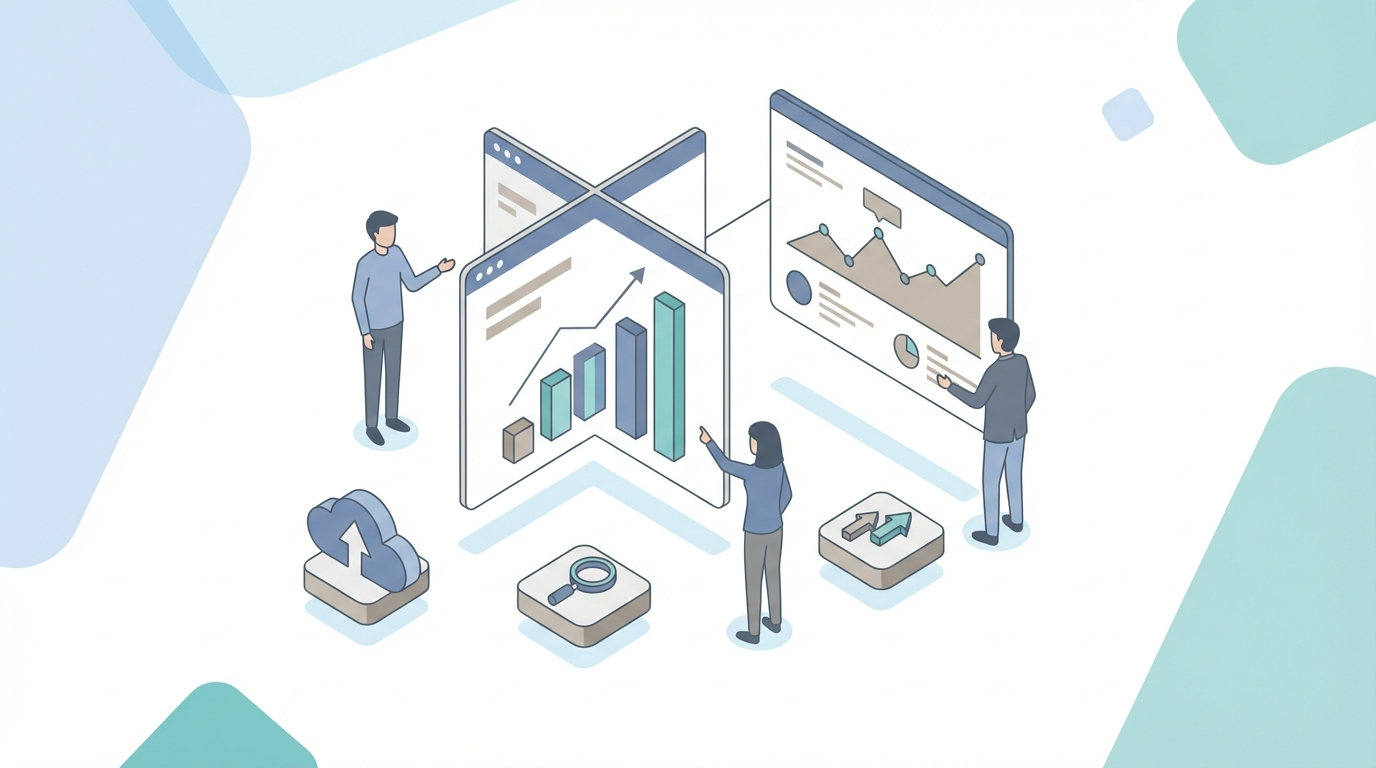
Your agency just sent the monthly report. Organic traffic is up 14%. Rankings are solid. The client is happy. And none of it means what it used to.
In Q1 2026, AI Overviews reduce clicks to the number-one organic result by 58%, according to Ahrefs data through December 2025. That is not a future trend. That is the current baseline. The number was 34.5% in April 2025. It hit 58% by year-end. The trajectory is clear, and it is not flattening.
If your agency is still treating organic traffic as the primary KPI, you are reporting on a system that has been fundamentally dismantled. Clients are not getting the full picture. More importantly, you are not getting paid for the work that actually moves the needle now.
This post lays out what the new measurement framework looks like, why it matters for client retention, and how to make the transition without losing your clients’ trust in the process.
The Data Behind the Metric Collapse
The 58% click reduction from Ahrefs is the headline stat, but the surrounding data tells a more complete story.
According to position.digital’s March 2026 AI SEO statistics report, organic CTR has dropped 61% for queries where an AI Overview is present. That is more than half your potential click volume, gone, even when you rank first. The same report shows that 75% of AI Mode sessions end without any external website visit at all.
Meanwhile, AI search queries grew 527% year-over-year as of March 2026. More searches happening, fewer clicks leaving the AI interface. The volume is there. The exits are not.
Here is the twist that matters for agencies: when a brand is cited inside an AI Overview, organic CTR for that brand is actually 35% higher than the baseline. Being cited in AI search does not just build brand awareness. It lifts the clicks you do receive. The brands showing up in AI answers are pulling ahead on every metric, including the traditional ones.
So the problem is not AI search. The problem is being invisible in it.
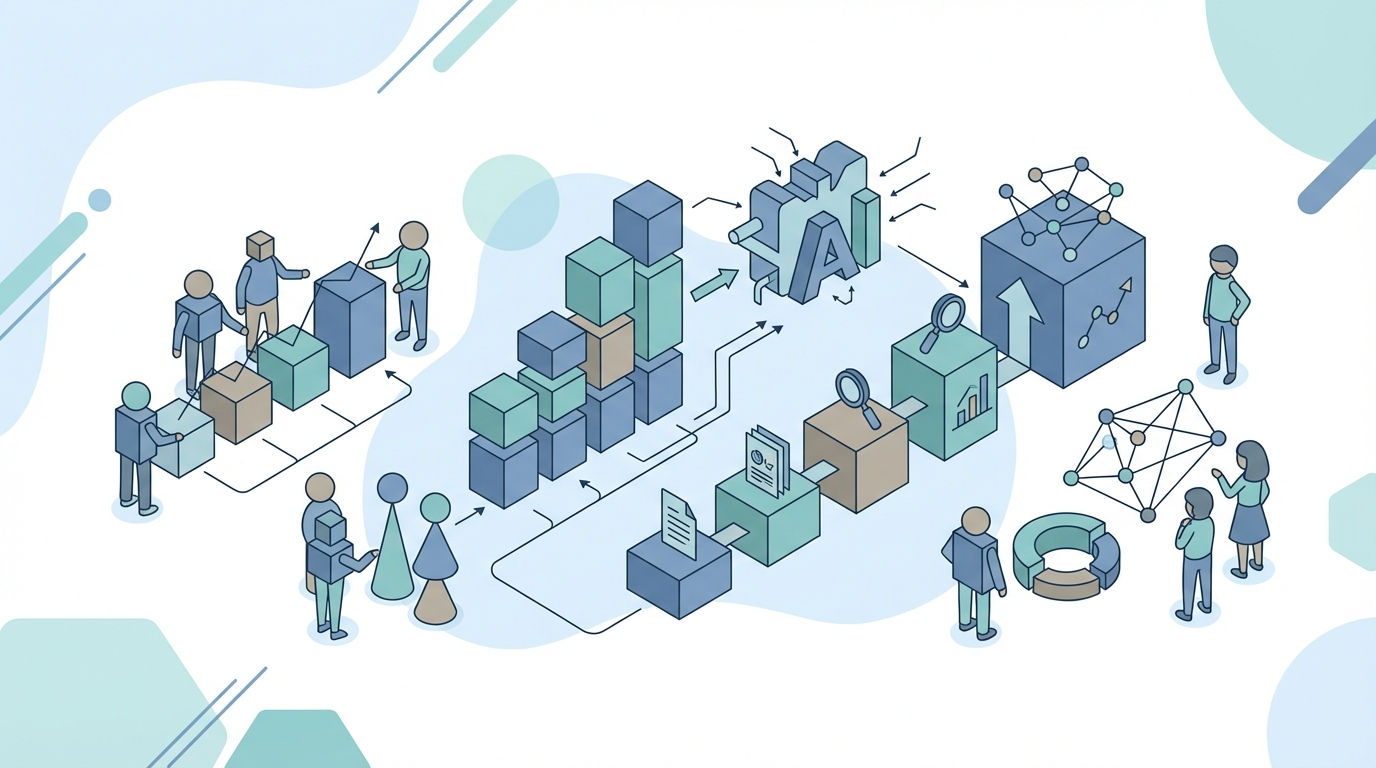
Why Traffic Has Become a Lagging Indicator
Traffic is what happened. Citation presence is what is happening now, and what will determine traffic in the future.
When an AI model synthesizes an answer, it pulls from sources it considers authoritative, clear, and well-structured. The sources it cites today become the brands users recognize tomorrow. Users see the same brand names cited repeatedly across ChatGPT, Perplexity, Google AI Overviews, and Microsoft Copilot. That repetition builds trust faster than a SERP position ever could.
The agencies still chasing ranking positions are playing last season’s game. A site can rank number one for a high-volume keyword and still see declining traffic if an AI Overview is absorbing 60% of the clicks. Conversely, a site that ranks seventh but gets cited in the AI answer can see substantial brand lift and inbound lead volume.
Traffic also fails to capture the zero-click impression. A brand mentioned in a ChatGPT response may reach 10,000 people who never visit the site. Traditional analytics show zero. The actual business impact could be significant.
Content depth, readability, and freshness now matter more than traditional SEO metrics like traffic and backlinks when it comes to securing AI mentions, according to position.digital’s research. These are not vanity metrics. They are the inputs to the output that clients actually care about, which is revenue.
The New Agency Scorecard: What to Measure Instead
Replacing traffic with a single number is not the answer. The new dashboard is multidimensional, but it is not complicated once you understand what each metric represents.
AI Citation Rate: How often does your client’s brand appear in AI-generated answers for their target queries? This is tracked by running structured query tests across ChatGPT, Perplexity, Google AI Overviews, and Gemini. You can use the AEO Monitor tool to automate this tracking and surface citation trends over time.
Share of Model: Across the universe of AI answers in your client’s category, what percentage mention your client versus competitors? This is the AI-era equivalent of share of voice. A brand that appears in 40% of relevant AI answers while the nearest competitor appears in 15% has a durable advantage. Read more on how to define and track this metric in our breakdown of Share of Model as the defining AI search metric for 2026.
Third-Party Citation Coverage: Brands are 6.5 times more likely to be cited in AI answers through third-party sources than through their own domains, according to position.digital. That means press mentions, industry directories, review platforms, and authoritative guest content drive AI visibility more than homepage optimization. Track the number and quality of third-party sources mentioning the brand.
Branded Organic CTR (Cited vs. Uncited Queries): For queries where the brand is cited in an AI Overview, what is the CTR versus queries where it is not? This measures the click lift that comes from AI citation, which runs at roughly 35% based on current data. This single metric makes the ROI case for AEO investment clearer than anything else in the report.
Content Citation Depth: Which specific pages, sections, or pieces are being cited in AI answers? Position.digital’s data shows that 44.2% of all LLM citations come from the first 30% of the text. Structure matters. Introductions, headers, and direct-answer paragraphs drive disproportionate AI citation volume.
Bottom-Funnel AI Referral Traffic: While top-funnel content (what-is guides, how-to articles) has seen massive traffic drops, bottom-funnel content including case studies and pricing pages is getting more AI referral traffic, not less. Track this segment separately. It is where intent meets decision, and AI models are actively citing it.

How to Reframe the Conversation With Clients
The hardest part of this transition is not the measurement. It is the client conversation.
Most clients have been trained to care about traffic. Their internal reporting, their board presentations, their gut instincts about whether marketing is working all run through traffic metrics. Changing the scorecard means changing what they believe matters, which is a slow process if done poorly.
The most effective framing is additive, not replacement. Do not walk in and say traffic no longer matters. Walk in and say: here is what traffic tells us, and here are three additional signals that together give us a complete picture of your brand’s market position.
Then show them the citation gap. Run a set of 20 to 30 queries their customers use. Show which AI platforms mention their brand, which mention competitors, and which mention no one. That gap is visible, concrete, and alarming in the right way. It creates urgency without dismissing the metrics they already understand.
Tie citation coverage to lead quality. In most B2B and healthcare contexts, clients who find a brand through AI citation are further along in their decision process. The intent signal is higher. When you can show that AI-referred visitors convert at a higher rate than general organic traffic, the budget case builds itself.
Be clear about timeline. Citation presence is not a one-week fix. It is a content architecture project, a PR and backlink strategy, a structured data implementation, and an ongoing publishing cadence. Agencies that communicate this honestly build better client relationships than agencies that overpromise quick wins.
Building the Content Structure That AI Cites
Knowing what to measure is only useful if you have a plan for improving those numbers. The content changes are specific and actionable.
Start with your most important answers. What are the 10 to 15 questions your client’s customers ask when they are close to making a decision? Build a dedicated page or section for each one. Lead with the direct answer in the first paragraph. Use clear headers. Add FAQ schemas using structured markup. These structural signals tell AI models that this content is organized for retrieval.
The intro is not throat-clearing. Nearly half of all LLM citations come from the first 30% of the text. The first two paragraphs of every page now function as the citation candidate. Write them to answer the question, not to build up to answering the question.
Invest in third-party citation building. Identify the publications, directories, and review platforms that AI models cite most often in your client’s industry. Build a systematic outreach program to get the brand mentioned in those sources. This is not traditional link building. It is citation building, and the platforms doing the citing are AI models, not PageRank algorithms.
Structure every piece of content for retrieval. Use numbered lists, defined terms, comparison tables, and FAQ sections. These formats appear disproportionately in AI-cited content because they are easy for AI models to extract and attribute clearly. Check your client’s AEO and content strategy against current best practices to find the structural gaps.
The Client Retention Angle
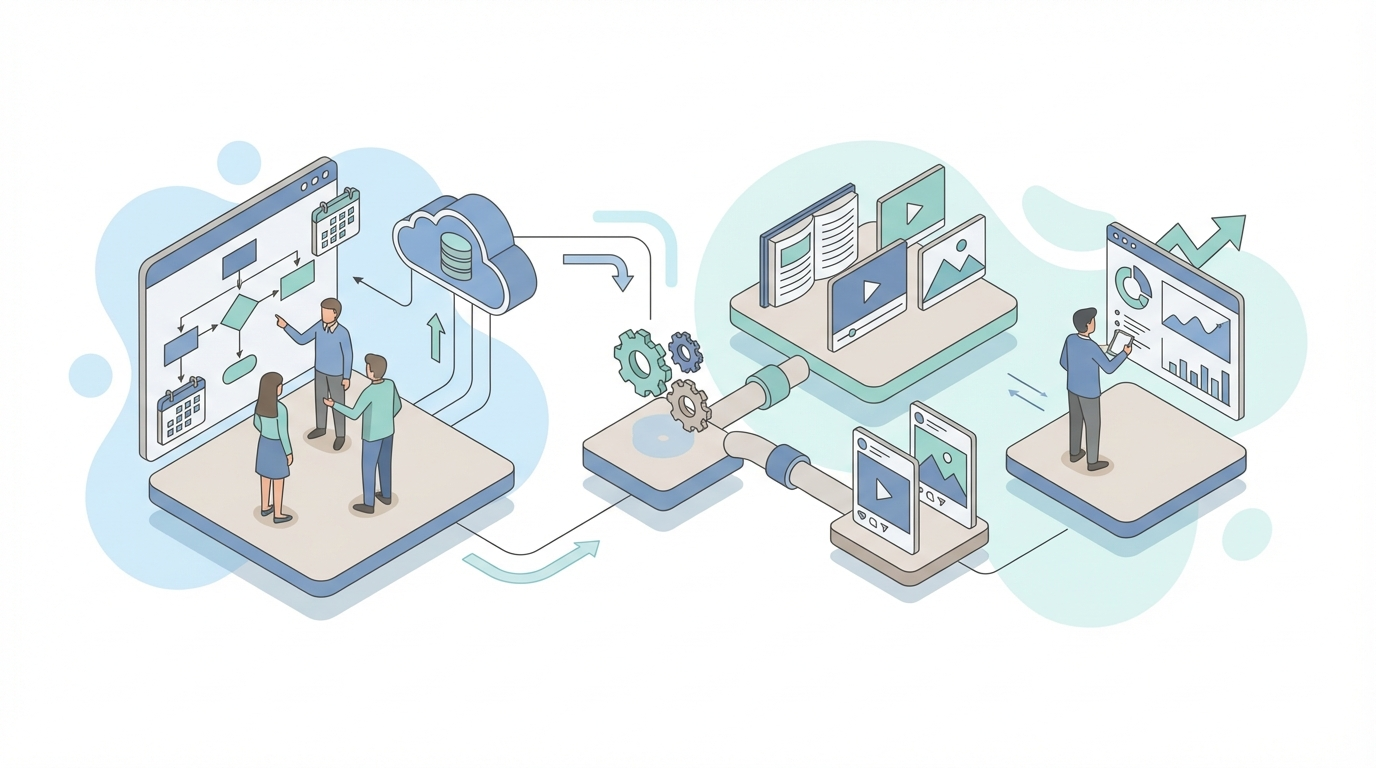
There is a business reason to make this transition that goes beyond doing the right thing for clients. Agencies that adopt the new measurement framework first are harder to replace.
Traffic-focused reporting is easily commoditized. Any agency can pull a GA4 report and show traffic trends. Agencies that own the AI citation audit, the share of model analysis, and the citation growth trajectory own a data asset the client cannot easily replicate. The switching cost goes up substantially.
Agencies that are still leading with traffic in mid-2026 will face two risks. First, clients whose traffic drops due to AI Overviews will look for an explanation. If the agency cannot provide one, the relationship is at risk. Second, agencies that cannot speak the language of AI search will lose new business pitches to agencies that can.
The transition is not complicated. It requires new tracking processes, new report templates, and a few hours of client communication. The agencies making it now are building a defensible position. The agencies waiting are eroding theirs.
Frequently Asked Questions
Q: Should I stop tracking organic traffic entirely? A: No. Organic traffic is still a useful signal, especially for measuring the click lift from AI citation versus uncited queries. The issue is using it as the primary KPI. Add the AI citation metrics alongside it, and over time clients will see which numbers are leading indicators and which are lagging ones.
Q: How do I track AI citation rate without a dedicated tool? A: Manual query testing works at small scale. Run 20 to 30 target queries across ChatGPT, Perplexity, and Google AI Overviews. Record which mentions the client versus competitors. Do this monthly and track the trend. Purpose-built tools like the AEO Monitor automate this at scale.
Q: Does this mean SEO is dead? A: No. Google Search usage actually increased after people started using ChatGPT, going from roughly 11 to 12.6 sessions per week, according to position.digital data. AI search is expanding the total search pie. But the distribution of value has changed. Being cited in AI answers now drives both direct engagement and traditional organic visibility.
Q: How fast do clients see results from AEO-focused work? A: Citation presence can appear in 4 to 8 weeks for well-structured content targeting questions with lower competition. Building share of model in a competitive category takes 3 to 6 months of consistent execution. The timeline depends on how well-structured the existing content is and how aggressively third-party citations are built.
Q: What industries are seeing the biggest shift to AI search? A: Healthcare, financial services, and B2B professional services are seeing the highest share of AI-answered queries. In these categories, users are asking specific, detailed questions where AI can synthesize a useful answer. Healthcare marketers in particular are seeing significant citation opportunities because many competitors have not yet structured their content for AI retrieval.
Q: How do I price AEO in an agency engagement? A: Treat it as a distinct service line with its own deliverables: AI citation audit, content gap analysis, quarterly citation tracking reports, structured content builds, and third-party citation campaign. Many agencies are pricing AEO at a similar level to technical SEO retainers because the skill set and tooling are comparable.
What Comes Next
The click rate decline from AI Overviews went from 34.5% in April 2025 to 58% by December 2025. If that trend continues, the 70% threshold arrives well before the end of 2026. Agencies waiting until the numbers become undeniable are already behind.
The brands and agencies that move now are not just adapting to a search landscape change. They are positioning themselves in front of an information distribution shift that will compound over the next several years. AI models are becoming the first stop for an increasing share of research, purchase intent, and service discovery. The brands that get cited consistently in those answers build a durable presence that is difficult to dislodge.
This is not about abandoning what has worked. It is about layering a new measurement framework on top of existing operations, communicating clearly with clients about what success looks like in 2026, and building the content architecture that AI systems reward. Agencies that do this well will not just retain existing clients. They will win the next generation of business from clients who are already asking why their AI visibility is low.
The scorecard changed. The agencies that update their reporting now are the ones clients will still be working with when the next inflection point arrives.