Google Personal Intelligence Changes Search. Marketers Need to Catch Up.
Google Personal Intelligence is changing AI Mode from a general search tool into a personal decision engine. Here is what that means for marketers in 2026.
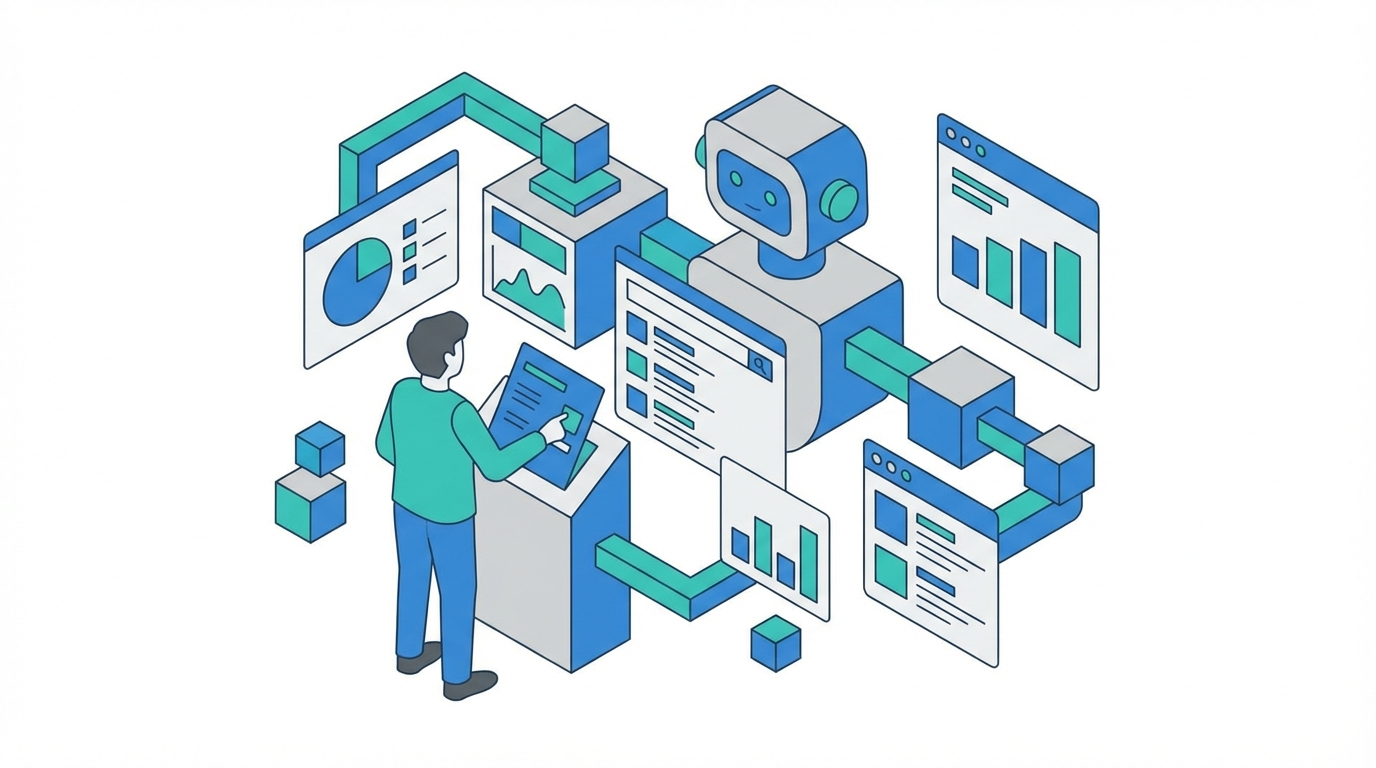
Google just pushed AI search one step closer to a recommendation engine that knows the user personally, and most marketing teams are still treating it like a smarter keyword box.
In March, Google expanded Personal Intelligence across AI Mode in Search, the Gemini app, and Gemini in Chrome. A few weeks later, Google highlighted that rollout again in its March 2026 AI recap, alongside Search Live, Maps upgrades, and broader Gemini changes. On paper, that sounds like one more AI feature drop. In practice, it changes how brands get discovered.
When search can use a person’s prior purchases, travel plans, preferences, and context to shape the answer, visibility is no longer just about ranking for a topic. It is about being the option the system decides fits that specific person best.
That is a different game.
Search Is Shifting From Retrieval to Recommendation
Traditional SEO was built around retrieval. A user enters a query, Google retrieves the most relevant documents, and your job is to make your page one of the best candidates.
AI Mode already started changing that by summarizing, comparing, and filtering results on the user’s behalf. Personal Intelligence pushes it further. Google describes it as a way to “connect the dots across your Google apps” so AI Mode can provide responses that are uniquely relevant to the individual user. That includes purchase history, travel confirmations, prior preferences, and contextual details the user never has to type out.
For marketers, the key point is simple: the answer layer is becoming more selective.
A generic “best running shoes” page is no longer only competing on topical relevance. It may now be competing against whether the system believes your product or brand fits a buyer’s style, budget, prior purchases, timing, and constraints. The same goes for travel, local services, B2B software shortlists, healthcare provider recommendations, and any query where context changes the best answer.
This is why I think many teams are still underestimating what is happening. They see AI search as a traffic threat. It is also a filtering threat. If the assistant narrows the field before the click, brands that are not clearly positioned can disappear earlier in the decision process.
Why This Matters More Than Another Feature Announcement
Google first introduced Personal Intelligence in AI Mode in Search in January for opted-in Pro and Ultra users. The March expansion matters because it widened access and signaled Google’s confidence that personalized AI answers are not a side experiment. They are becoming part of the product direction.
This creates three immediate changes for marketers.
1. The same query can produce meaningfully different answers
If AI Mode knows one user prefers premium products and another consistently buys budget options, the answer may not point both people toward the same brands. Marketers have spent years assuming that high visibility on a query means high visibility for everyone searching it. That assumption gets weaker as personalization gets stronger.
2. Brand positioning starts doing more work than keyword coverage
A brand with clear signals, clear use cases, and clear audience fit is easier for an AI system to recommend than a brand with vague messaging. When Google says Personal Intelligence can recommend products that fit a user’s style or restaurants that fit a layover window, it is telling us that descriptive fit matters. Brands that look interchangeable will lose.
3. Mid-funnel discovery becomes harder to measure
If a user gets a personalized shortlist or recommendation inside AI Mode, part of the consideration process happened before the website visit. That makes attribution even messier than it already was with AI Overviews and zero-click search.
We have already seen this dynamic in AEO campaigns. Awareness happens inside the answer. The click, if it comes, arrives later and with less visible journey data. Personal Intelligence adds another layer because the answer is now shaped not just by the query, but by the person behind it.
The Real Tension: Relevance Is Becoming Individual
This is the story angle most coverage misses.
The old search fight was about broad relevance. Could your page satisfy the query better than the competing pages?
The new search fight is about individual relevance. Can your brand look like the right answer for this particular person, in this particular moment, with this particular context?
That sounds abstract until you apply it to actual marketing scenarios.
A local rehab center is no longer just competing to rank for treatment-related queries. It may be competing to look trustworthy, geographically sensible, and appropriate for a user’s needs when AI Mode is shaping the list.
A B2B software company is no longer just trying to rank for category terms. It is trying to be understood as the fit for a buyer’s company size, workflow, technical maturity, and budget expectations.
An ecommerce brand is no longer just optimizing category pages. It is trying to make sure product data, brand voice, pricing signals, reviews, and merchant trust combine into a profile the AI can confidently recommend.
This is where a lot of “AI search strategy” advice falls apart. It tells marketers to publish more FAQ content or add schema and stop there. Those things help, but they do not solve the fit problem.
What Marketers Need to Change Right Now
Tighten your positioning until it is easy to summarize
If an AI assistant had to explain your brand in one sentence, would the answer be clear?
Most brand messaging is still too soft for AI-driven recommendation environments. It is packed with safe claims like “results-driven” or “innovative” and gives the model very little concrete material to work with. You want your site to make audience, problem, specialty, and differentiator painfully obvious.
A page that says “full-service digital marketing agency” is weaker than a page that says you help behavioral health providers grow patient admissions through SEO, AEO, paid search, and web strategy. Specificity gives the AI something to latch onto.
This matters because recommendation systems compress. They reduce a messy market into a short list. The brands that survive compression are the ones with crisp identity.
Build pages around use case fit, not just topic fit
A lot of SEO content is still structured around broad topics. That is fine for awareness, but personalized AI search is better served by content that maps directly to scenario-based needs.
Instead of only creating “what is answer engine optimization,” create pages that answer questions like:
- Which AEO approach makes sense for healthcare organizations with compliance constraints?
- What should a local service business prioritize first if AI referrals matter more than blog traffic?
- How should a B2B marketing team measure AI search visibility when branded traffic is rising but referral data is muddy?
These are not just keyword variations. They are fit signals. They help the system understand which audience you serve best.
For healthcare in particular, this matters a lot. Our post on why medical practices are invisible in AI search already made the case that generic provider content is too weak for modern AI discovery. Personal Intelligence raises the bar again because relevance is getting narrower, not broader.
Strengthen the trust layer around every important page
Google keeps framing these experiences around usefulness, transparency, and control. That does not mean every recommendation is perfect, but it does tell you what kind of content environment Google wants to build. Trust signals are not optional.
That means named authors where appropriate, clear expertise, specific proof, updated content, clean entity signals, obvious contact information, and consistent claims across your site and third-party mentions. If the system is going to recommend brands more aggressively, it needs stronger confidence that the recommendation is defensible.
This is one reason AEO work often looks more like authority engineering than old-school on-page SEO. You are not just optimizing text. You are shaping whether the machine sees you as credible enough to include.
Expect traffic metrics to get weirder
Marketers who are still benchmarking success only by organic sessions are going to misread what happens next.
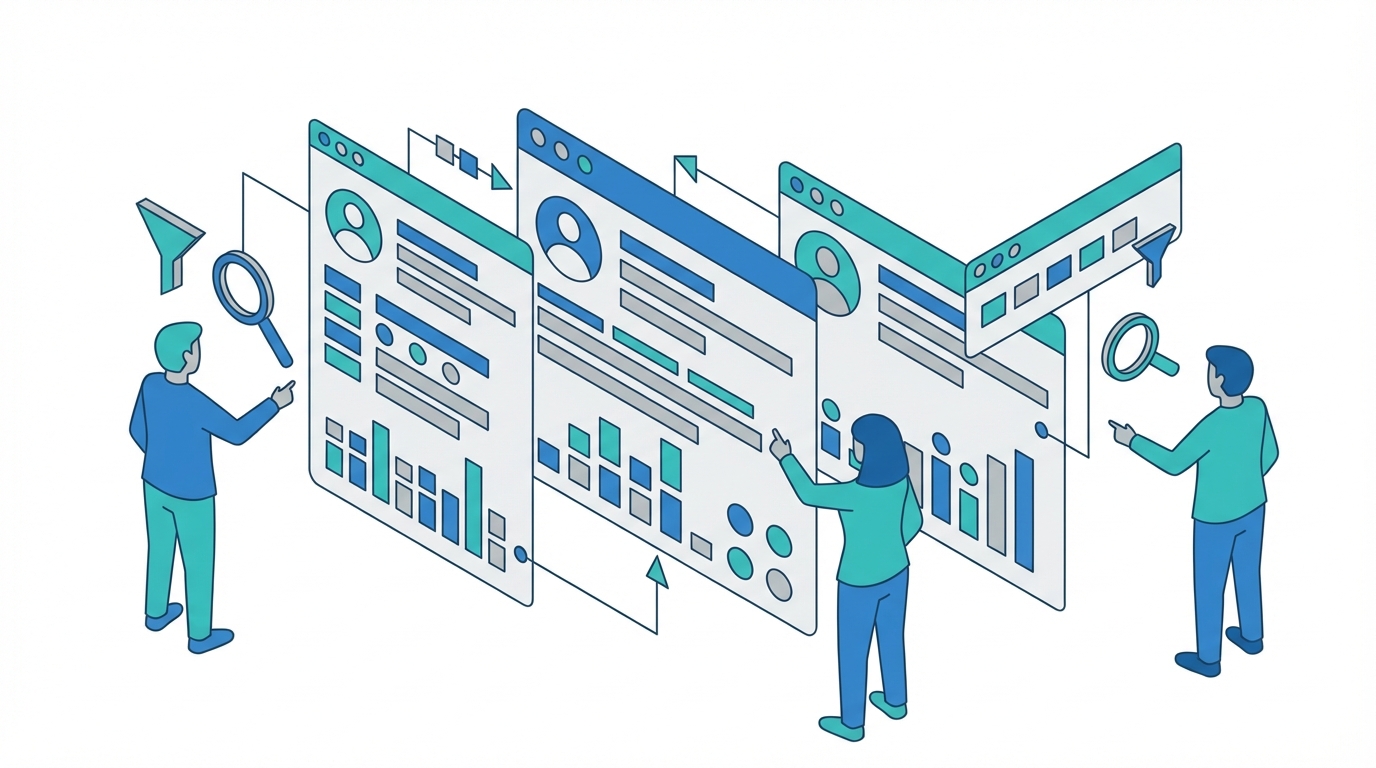
As Google personalizes more of the answer layer, two things can happen at once: fewer people click, and the people who do click can be better qualified. That pattern has already shown up in AI search broadly, and personalized AI is likely to intensify it.
We have seen a version of this with client work. Seasons in Malibu holds 4,200+ keyword rankings and 814K+ monthly social impressions, a full-service result that covers SEO, AEO, paid search, social, and web. The lesson is not that every click disappeared. The lesson is that visibility inside AI-influenced journeys can still drive business value even when traditional top-of-funnel metrics get noisier.
If your reporting model cannot distinguish lower-volume, higher-intent traffic from broad informational traffic, you are going to make the wrong calls.
What This Means by Channel
SEO and AEO
SEO does not go away. It gets absorbed into a bigger visibility problem.
You still need crawlable, authoritative, relevant pages. You still need technical hygiene. You still need internal links and strong information architecture. But now those assets must also support citation and recommendation inside AI answers.
That is where AEO keeps gaining ground. If SEO helps you get retrieved, AEO helps you get used.
For teams trying to operationalize that, our AEO services page is the strategic view, and our AI Search Optimizer tool is the one tools link I would actually use to start benchmarking query coverage and answer visibility.
Paid media
Paid media teams should not ignore this shift just because it starts in organic search.
When more of the research and shortlist-building happens inside AI interfaces, paid search may inherit more bottom-funnel pressure. That usually means higher expectations on landing page precision, clearer offer fit, and better post-click experience. If the user finally clicks after a personalized AI journey, they are not in browse mode. They are validating a decision.
Local and healthcare marketing
Local intent is where personalization gets especially powerful. A user with travel context, time constraints, prior preferences, and real-world location creates a much narrower recommendation set. That is good news if your local presence is clean and your differentiation is obvious. It is bad news if your local listings, provider pages, and review profile are thin.
Healthcare marketers should treat this as a warning shot. If AI Mode becomes better at matching intent to provider fit, then weak provider bios, vague service pages, and generic location content become even less competitive.
A Practical Framework for the Next 90 Days
If I were running this for an agency or in-house team right now, I would focus on four moves.
1. Audit your recommendation readiness
Not just rankings. Not just citations. Ask whether your key pages make audience fit, offer fit, and trust obvious enough for a machine to summarize.
2. Rewrite weak positioning
If your homepage, service pages, and core landing pages sound like ten competitors could have written them, that is a problem. Generic language does not survive personalized AI filtering.
3. Expand scenario-based content
Publish content for specific buyer contexts, not just high-volume topics. The best opportunities often sit in high-intent edge cases where strong fit beats broad authority.
4. Update your reporting
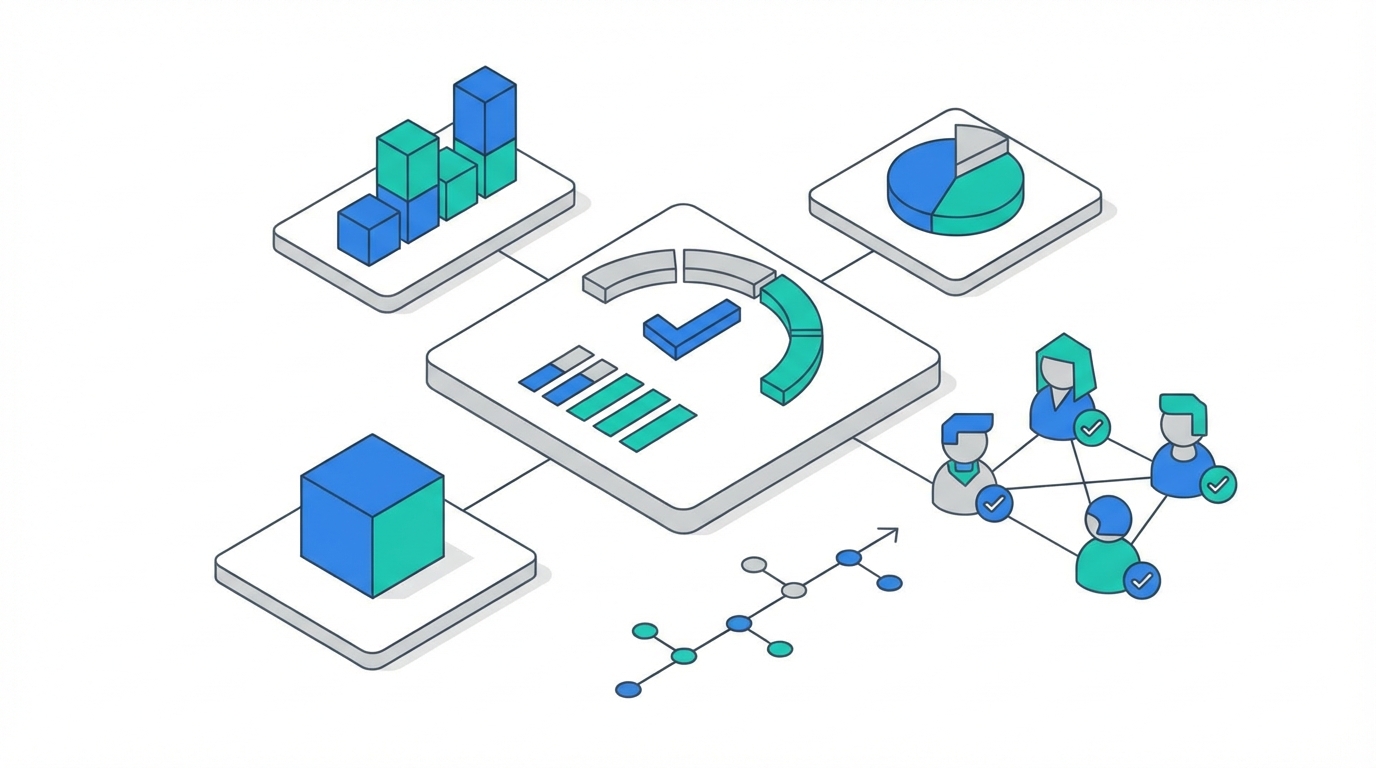
Track branded search, assisted conversions, AI citation presence, direct traffic quality, and pipeline outcomes alongside sessions. Otherwise you will miss the upside while staring at the wrong dashboard.
FAQ
What is Google Personal Intelligence in AI Mode?
It is Google’s personalization layer for AI products, including AI Mode in Search. Users can opt in to connect apps like Gmail and Photos so the system can provide more tailored answers based on their context, preferences, and history.
Why does Personal Intelligence matter for marketers?
Because it changes search from a mostly query-driven results system into a more personalized recommendation system. That means visibility depends more on audience fit, brand clarity, and trust signals, not just general topical relevance.
Does this replace traditional SEO?
No. It raises the standard for it. Technical SEO and strong content still matter, but they now support a broader goal: becoming a brand the AI can retrieve, cite, and recommend.
Will personalization make ranking reports less useful?
Yes, at least on their own. Average rankings and generic SERP checks tell you less when different users may see different AI-framed answers. They are still useful directional data, but not a complete visibility model.
What should healthcare marketers do first?
Start by tightening provider credibility signals, rewriting generic service pages, and building content around specific patient scenarios and trust concerns. Healthcare queries are high-stakes, so vague pages are more likely to get filtered out.
The Brands That Win Will Be Easier to Choose
Personal Intelligence does not mean Google suddenly knows every buyer perfectly. It does mean the search layer is moving toward choosing on the user’s behalf more often, with more context than before.
That should make marketers a little uncomfortable, because it reduces the value of being merely present. Presence without clarity will get ignored.
The brands that win in this next phase will be the ones that are easiest for an AI system to understand, trust, and match to the right person. Clear positioning. Specific proof. Strong fit signals. Clean authority.
If your brand still sounds generic, now is the time to fix it. Search is getting personal, and vague brands do not get recommended.