Why Most Marketing Agencies Still Can't Measure AI Visibility
Most agencies still report rankings and clicks while AI search changes discovery. Here is the reporting framework that actually shows AI visibility in 2026.
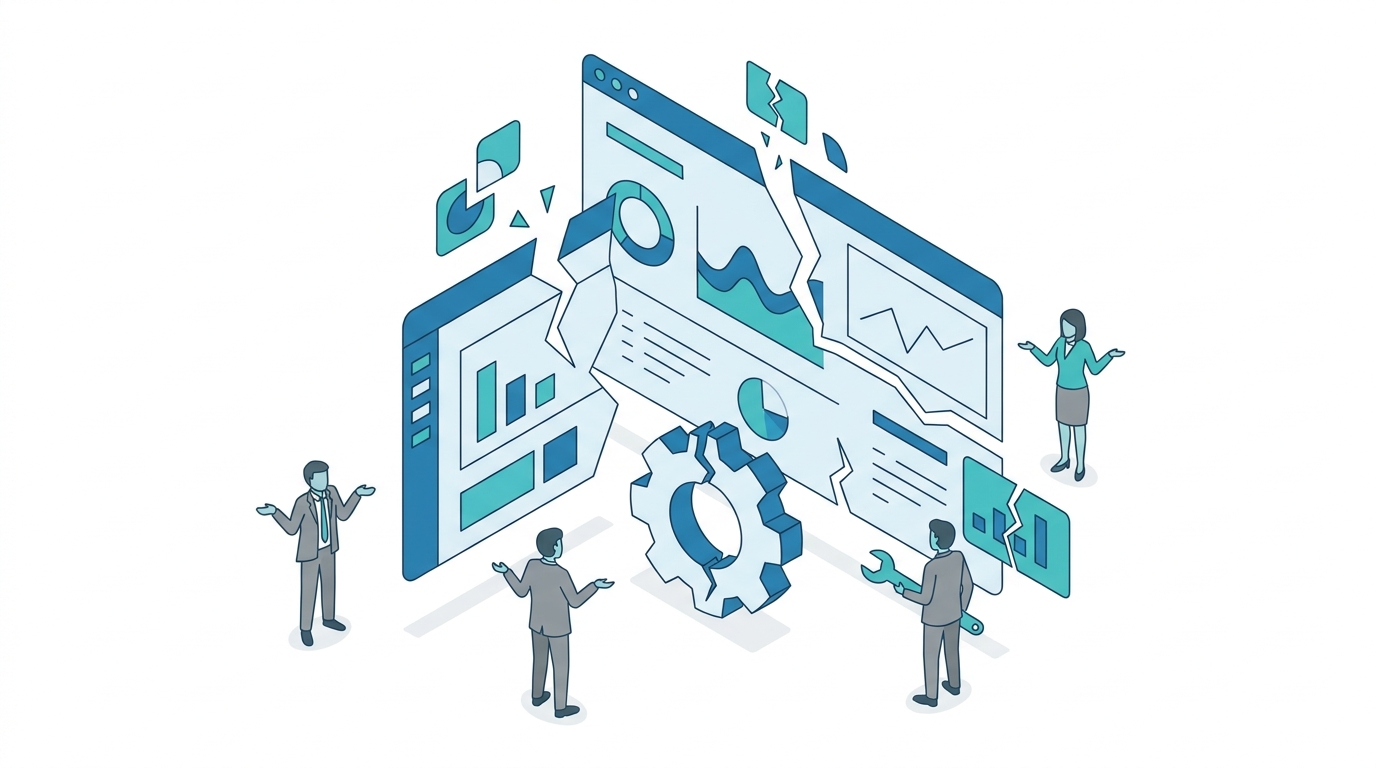
Most agencies say they offer AI visibility now. Very few can measure it in a way that helps a client make decisions.
That gap is getting harder to hide. Search Engine Land argued this week that SEO’s new goal is recognition, not rankings, and in a separate piece it laid out eight GEO metrics teams should track in 2026. Ahrefs has already published a practical guide to tracking AI Overviews, because Google still does not give marketers a clean view into what happens inside AI-generated answers. GoodFirms added the stat that should make every agency uncomfortable: only 14% of marketers track AI citation visibility and only 11% monitor branded search or share of voice. Put those together and the story is obvious: discovery is moving into AI interfaces faster than agencies are updating their reporting.
This is why so many monthly reports feel disconnected from reality. A client can be cited in ChatGPT, recommended in Perplexity, summarized in Google AI Overviews, and researched through AI Mode without that influence showing up cleanly in rankings, sessions, or last-click conversions. If your reporting stack still starts and ends with Search Console, GA4, and a few rank trackers, you are describing the part of search that is easiest to count, not the part that is shaping demand.
This post breaks down why most agencies still cannot measure AI visibility, what is missing from the old reporting model, and what a useful AI visibility report actually needs to include.
The old agency dashboard was built for clicks, not citations
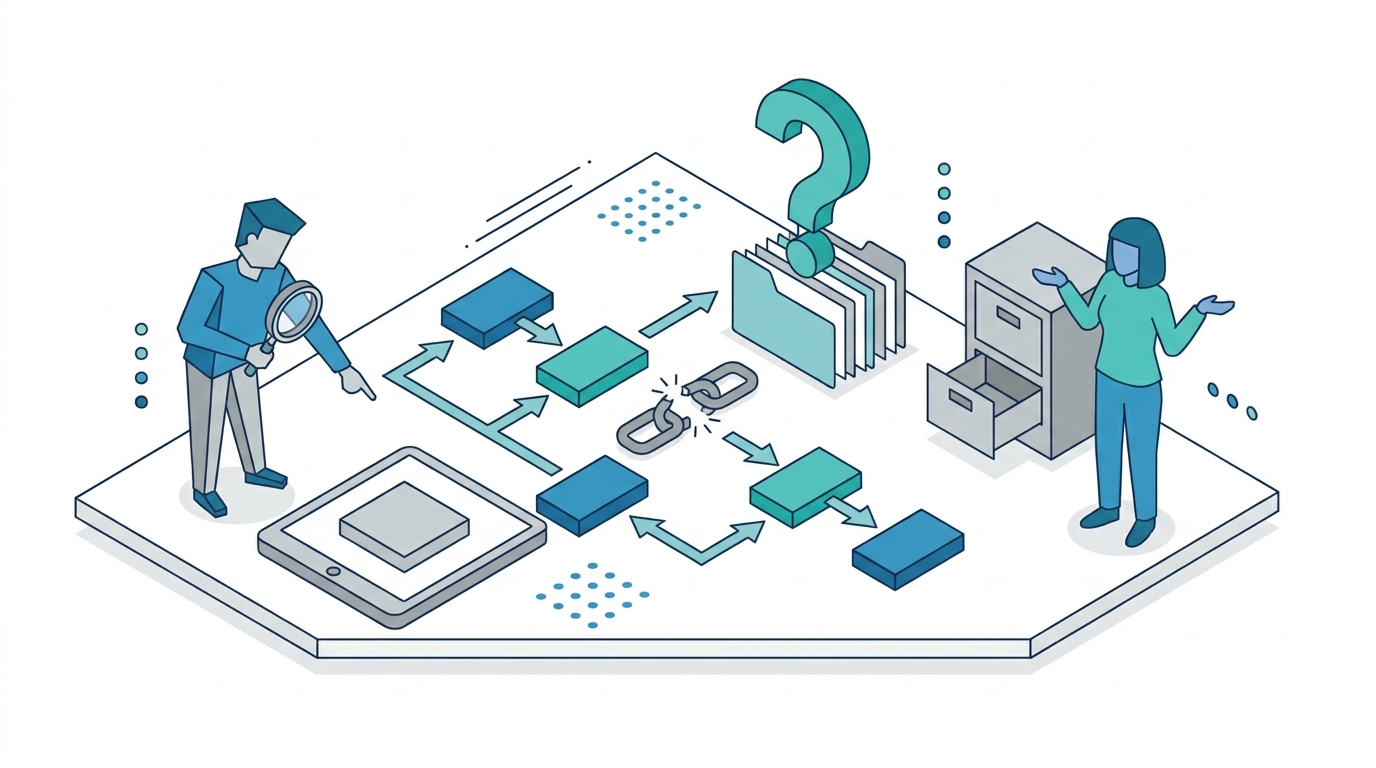
Traditional SEO reporting followed a simple logic chain. Rank for a keyword, earn the click, capture the session, attribute the lead. That model was never perfect, but it was workable because most discovery still happened on a page full of links.
AI search breaks that chain in the middle. A user can ask for the best rehab center near Malibu, the top B2B valve manufacturers, or the right agency for AI search optimization and get a summarized answer before a website visit happens. In some cases, the visit comes later as a branded search. In other cases, the user never clicks at all.
That does not mean visibility disappeared. It means the visibility event happened somewhere your dashboard was not designed to see.
This is what agencies are struggling with. They have tools for rankings, traffic, assisted conversions, and phone calls. They do not have a mature default system for prompt coverage, citation frequency, mention quality, source attribution, or answer framing. So they keep reporting what is familiar.
The problem is that familiar metrics can now look stable while demand shifts underneath them.
Rankings can stay flat while visibility changes fast
One reason agencies miss this shift is that AI visibility does not move in lockstep with rankings. Ahrefs found that 38% of AI Overview citations come from pages outside Google’s top 10 results. That matters because it weakens the old assumption that ranking position tells you most of what you need to know.
A page can sit outside the most obvious organic winners and still get pulled into AI answers. The reverse is also true. A page can rank well and still get ignored if it is hard to quote, poorly structured, weak on trust signals, or outmatched by stronger third-party sources.
This is why AI visibility reporting cannot just be SEO reporting with a new label. If your team is only pulling keyword movement and organic traffic, you are missing whether the brand is actually being recommended, cited, or used as grounding material by AI systems.
That is also why isolated screenshots are not enough. One citation in one answer proves almost nothing. Useful measurement comes from repeatable prompts, tracked over time, across multiple systems.
Most agencies have a tool problem and a methodology problem
Some of this is a tooling gap. Google still blends AI traffic into broader search reporting. Native platform data is incomplete. Third-party tools vary in quality, prompt depth, and platform coverage.
But the deeper problem is methodological.
A lot of agencies still have not decided what they are trying to measure. Are they measuring mention rate, citation rate, recommendation rate, sentiment, answer position, or branded search lift after AI exposure? Those are different things. Without a clear framework, dashboards become piles of disconnected charts.
Search Engine Land’s recent GEO metrics piece points in the right direction by focusing on metrics like share of model voice, citation frequency, and sentiment. The important part is not the exact vocabulary. The important part is recognizing that AI visibility is a prompt-based measurement problem, not just a traffic reporting problem.
That means every serious agency needs three building blocks:
- A fixed prompt set tied to commercial intent and buyer questions.
- A repeatable process for checking visibility across ChatGPT, Perplexity, Google AI Overviews, and other relevant surfaces.
- A reporting layer that connects those findings to actions a client can understand.
Without those pieces, most AI visibility reporting turns into theater.
What a useful AI visibility report actually includes
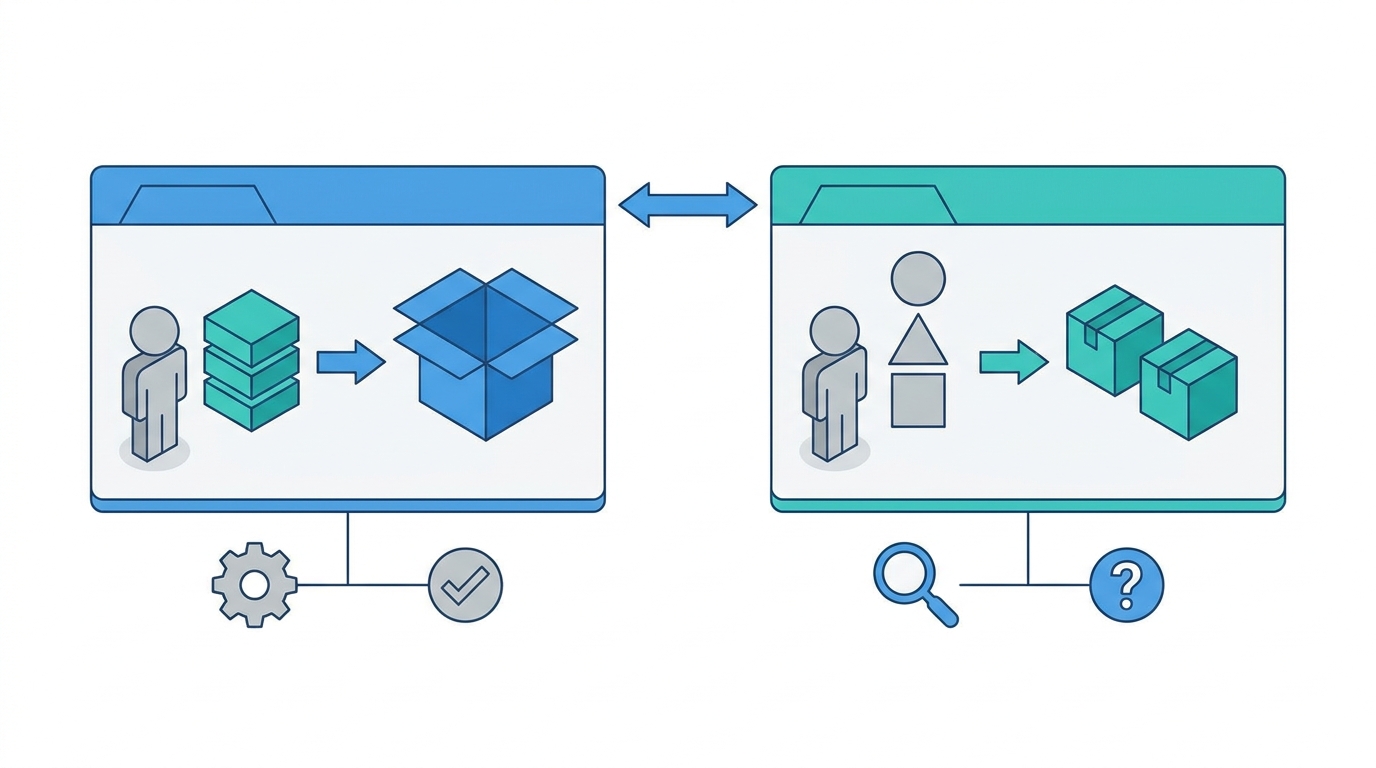
If an agency wants to report AI visibility credibly, the report has to answer four questions.
1. Where do we appear?
This is the baseline visibility question. On a defined set of prompts, how often is the brand mentioned or cited? Which platforms mention it most often? Which prompt clusters show no presence at all?
A useful report does not stop at a vanity score. It shows prompt coverage by category. For example, a healthcare client may need separate visibility tracking for symptom research, treatment comparisons, insurance questions, local provider discovery, and brand-specific trust queries.
2. How are we framed?
Being named is not the same as being endorsed.
A report should show whether the brand appears as the primary recommendation, one option in a list, a supporting citation, or a background source. That difference matters. If a client shows up often but never gets framed as the strongest answer, the strategy problem is different from total invisibility.
This is one reason brand authority matters so much. Search Engine Land argued on May 4 that brand authority is now beating topical authority in AI search. Agencies need reporting that shows not just whether a brand appears, but whether the model treats it like a trusted category leader.
3. What source is doing the work?
Many teams assume their own website should drive most AI visibility. That is often false.
In plenty of categories, especially healthcare and B2B, AI systems pull confidence from a mix of owned pages, third-party reviews, directories, media mentions, trade publications, and industry roundups. If your agency is not showing which sources influence the answer, your content plan will be too narrow.
This is where reporting becomes strategic. If the winning source is a case study, build more proof pages. If a third-party mention keeps showing up, strengthen digital PR. If comparison prompts rely on review sites, fix the review ecosystem instead of publishing another generic blog post.
4. What changed, and what should we do next?
A client does not need a 30-page AI visibility export. They need a sharp monthly story.
What improved? What disappeared? Which competitor gained ground? Which pages or off-site sources drove movement? What is the next action with the highest expected return?
That is the difference between reporting and insight.
Why this matters even more for healthcare and high-trust categories
The reporting gap is not equally painful across industries. It hits hardest where trust, accuracy, and recommendation language matter most.
Healthcare is the clearest example. A behavioral health brand does not just need to be visible for informational queries. It needs to show up accurately for high-stakes treatment and provider questions, and it needs the answer framing to build trust fast.
That is where generic content-heavy reporting falls apart.
At Emarketed, Seasons in Malibu holds 4,200+ keyword rankings and 814K+ monthly social impressions, a full-service result that covers SEO, AEO, paid search, social, and web. That kind of outcome does not come from chasing one vanity metric. It comes from building authority across the full discovery environment, then reading performance through more than clicks alone.
For healthcare brands, AI visibility reporting should track at least three layers at once: whether the brand appears, whether the brand is described accurately, and whether trust signals are strong enough to support action.
If an answer mentions your brand but gets the treatment model wrong, leaves out key differentiators, or cites weak third-party sources, the visibility is incomplete at best and risky at worst.
Why agencies keep defaulting to bad proxies
Most agencies are not ignoring AI visibility because they do not care. They are defaulting to proxies because proxies are easy to automate.
Traffic is easy to automate. Rankings are easy to automate. Search Console exports are easy to automate. Prompt testing across multiple AI systems, with structured notes on citations and framing, is more work.
There is also an incentive problem. Old reports make agencies look efficient because the format is standardized. AI visibility reporting exposes ambiguity. It forces teams to admit that some answers are inconsistent, some tools disagree, and some attribution is still fuzzy.
That can feel uncomfortable, but it is still better than pretending a flat traffic graph tells the whole story.
The agencies that win this shift will be the ones that get comfortable showing clients a more honest model of discovery. Not a perfect one, an honest one.
A practical reporting framework agencies can use now
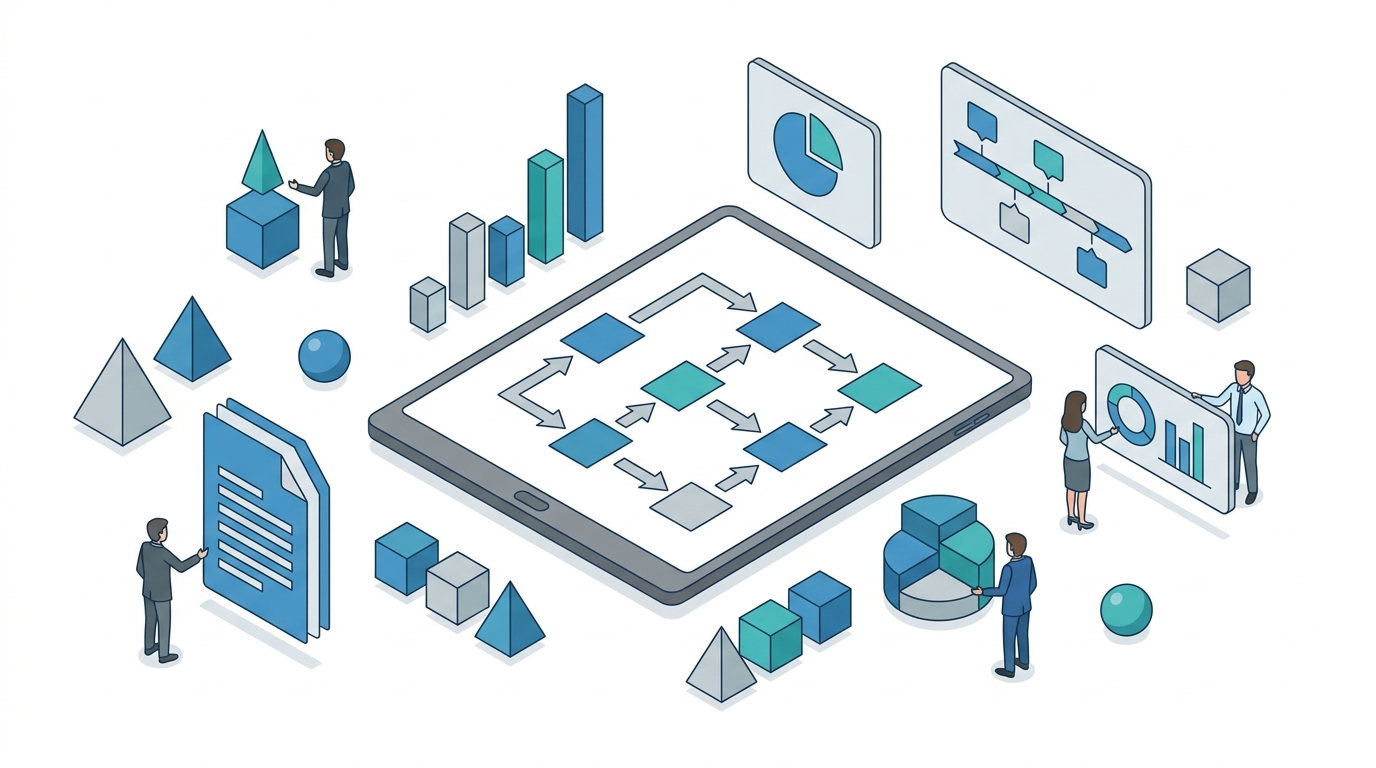
You do not need a perfect enterprise stack to start doing this well. You need a disciplined reporting cadence.
Here is a practical version most agencies can implement now.
Build a prompt set by buying stage
Start with 20 to 40 prompts that reflect real buyer behavior. Include informational queries, comparison queries, local intent, category questions, and brand-versus-brand prompts.
Do not build the set around whatever is easiest to rank for. Build it around questions tied to revenue.
Group prompts into clusters
Track performance by cluster, not just as a single blended score. This helps clients see where they are strong and where they are absent.
A B2B manufacturer, for example, may need separate clusters for use-case discovery, vendor comparison, technical validation, and procurement questions.
Log both mentions and citations
A mention without a citation still matters. A citation without strong framing still has limits. Capture both.
At minimum, the log should note platform, prompt, whether the brand appeared, where it appeared in the answer, what source was cited, what competitors appeared, and whether the framing was positive, neutral, or weak.
Compare against the same competitor set each month
AI visibility is relative. Clients do not just want to know whether they appeared. They want to know whether the best competitor appeared more often and more favorably.
Consistent competitor tracking turns scattered observations into a strategic benchmark.
Tie every finding to an action
Every report should end with a next-step section. Improve page structure on these URLs. Expand comparison content for these prompts. Add proof signals to these service pages. Pursue citations from these third-party publications. Update schema and on-page answers on these landing pages.
If the report cannot guide action, it is just another dashboard.
What agencies should stop doing immediately
A few habits are worth dropping now.
First, stop treating AI referral traffic as the whole KPI. It matters, but it captures only the part of influence that ends in a visible click.
Second, stop using one-off screenshots as proof of performance. AI answers vary. Trend lines beat anecdotes.
Third, stop reporting AI visibility as a mysterious black box score with no underlying prompt evidence. Clients are right to distrust that.
Fourth, stop assuming more blog volume will fix every visibility gap. Search Engine Land’s recent piece on prompt-level experiments is useful here because it frames AI search as a testing discipline. Sometimes the fix is a stronger answer block, clearer entity description, richer proof, or better third-party validation, not another 1,500 words on a tired keyword.
That last point matters a lot. Agencies that treat AI visibility like content churn will burn budget and lose trust.
FAQ
What does AI visibility mean for an agency report?
It means reporting how often and how well a client’s brand appears in AI-generated answers across relevant prompts, platforms, and competitors. That includes mentions, citations, answer framing, and the sources shaping those answers.
Why are rankings and traffic no longer enough?
Because a buyer can discover and evaluate a brand inside ChatGPT, Perplexity, or Google AI results without producing a normal website session. Rankings and traffic still matter, but they no longer capture the full visibility story.
What metrics should agencies track first?
Start with prompt coverage, citation frequency, mention rate, competitor presence, answer framing, and source attribution. Then layer in branded search lift and AI referral quality where you can measure them.
How often should AI visibility reporting happen?
Monthly is the right default for most clients, with lighter weekly checks for priority prompts or high-value categories. Daily monitoring usually creates noise instead of insight.
Does this matter for local and healthcare businesses?
Yes. It matters a lot because high-intent buyers increasingly ask AI tools for provider recommendations, comparisons, and trust signals before they ever visit a website. That makes accurate answer visibility a business issue, not just an SEO issue.
Can agencies do this without expensive software?
Yes, at least to start. A disciplined prompt set, a structured tracking sheet, platform checks, and clear monthly interpretation can go a long way. Dedicated tooling helps, but methodology matters more than software in the early stage.
The agencies that adapt first will keep the trust
This is the real business issue behind AI visibility measurement. Clients do not expect agencies to control every AI answer. They do expect agencies to understand where discovery is moving and to report on it honestly.
Most agencies still cannot measure AI visibility because their reporting stack was built for a click-based web. That web still exists, but it is no longer the whole market.
The agencies that earn trust in 2026 will be the ones that show clients where AI visibility is happening, where it is missing, what sources are shaping it, and what to do next. That is a better conversation than a traffic chart, and it is a much more defensible service.
If you want a starting point, use our AI Search Optimizer to spot early gaps, then connect it to a broader reporting framework built around prompts, citations, and business outcomes.
What An AI Visibility Report Should Show Every Month
A useful AI visibility report should answer four questions fast: where your brand appears, how often it is cited, which competitors are being recommended instead, and what changed since the last reporting period. If it cannot do that, it is not a reporting asset, it is a collection of screenshots.
The core view should be prompt-based. That means the report tracks a fixed set of high-intent questions, grouped by service line, location, and buying stage. For each prompt, the report should record whether the brand was mentioned, whether the website was cited as a source, whether a third-party source mentioned the brand, and whether the answer framed the brand positively, neutrally, or not at all.
Core Sections To Include
- Prompt Coverage: The percentage of tracked prompts where the brand appears in any form.
- Citation Rate: The percentage of prompts where the brand’s own site is used as a source.
- Recommendation Rate: The percentage of prompts where the brand is explicitly suggested as an option.
- Competitor Share: Which competitors appear most often in the same prompt set.
- Source Breakdown: Whether AI systems pull from your site, directories, reviews, news, forums, or partner mentions.
- Change Over Time: Gains, losses, and volatility by platform and prompt cluster.
That structure matters because visibility without context is hard to act on. A client does not just need to know that they appeared in Perplexity three times. They need to know whether they were absent from bottom-funnel prompts, replaced by a local competitor, or cited through weak third-party sources instead of their own site.
How To Read The Data Without Misleading Yourself
AI search reporting gets messy when teams confuse mentions with influence. A brand mention in a generic list is not the same as being the recommended provider in a high-intent answer. The report should separate those outcomes clearly.
What Counts As A Strong Result
A strong result usually combines three things: the brand is named directly, the brand’s site is cited, and the answer context matches commercial intent. If an AI assistant says your company is one of the best options for a specific service and supports that answer with your site or a trusted third-party source, that is materially different from being buried in a long comparison.
What Counts As A Warning Sign
Watch for patterns like high branded visibility but low non-branded discovery, repeated competitor recommendations on service-level prompts, or heavy dependence on directory sites for citations. Those are signs that your authority is being interpreted through other sources instead of your own content.
Another red flag is volatility across platforms. If ChatGPT cites you, but Google AI Overviews and Perplexity do not, the issue may be source accessibility, entity consistency, or content structure rather than simple authority.
What Actions Should Come Out Of The Report
The report should not stop at observation. Every reporting cycle should produce a short action list tied to the visibility gaps it found. If your brand is missing from “best” and “top provider” prompts, the fix may involve stronger comparison content, better third-party validation, or clearer service pages. If citations come mostly from review platforms, you may need more quotable first-party content and stronger entity signals on your own site.
Common Next Steps After Review
- Expand Prompt Coverage: Add missing commercial and local-intent questions.
- Improve Citation Targets: Build or revise pages that should be cited for specific topics.
- Strengthen Entity Signals: Align brand details across the site, profiles, and third-party mentions.
- Close Competitor Gaps: Compare the sources and page formats competitors are winning with.
- Track Branded Lift: Watch for increases in branded search, direct traffic, and lead quality after visibility gains.
If you are evaluating agency reporting, this is the practical test: ask to see the prompt set, the scoring method, the competitor comparison, and the monthly actions tied to the findings. If those pieces are missing, the report may look modern while still telling you very little.
FAQ About AI Visibility Reports
How Is An AI Visibility Report Different From A Rank Report?
A rank report tracks where pages appear in search results. An AI visibility report tracks whether a brand is mentioned, cited, or recommended inside AI-generated answers across a defined set of prompts.
How Often Should You Run One?
Monthly is the practical baseline for most businesses. Highly competitive verticals or fast-moving campaigns may justify biweekly checks, especially when prompt results change quickly.
Can You Tie AI Visibility To Leads?
Not cleanly in every case. What you can do is connect AI visibility trends to branded search lift, assisted conversions, direct traffic changes, and lead quality patterns over time.
Which Platforms Should Be Included?
At minimum, track Google AI Overviews, ChatGPT, and Perplexity. Depending on your market, Bing Copilot, Gemini, or vertical AI tools may also matter.
What Is The Biggest Reporting Mistake?
Treating a few example answers as proof of performance. Real reporting needs repeatable prompts, consistent scoring, and trend data that shows whether visibility is actually improving.