AI Max Means Search Is Now About Selection, Not Clicks
Google and Microsoft are redesigning search for AI selection. Here is what marketers need to change now if they want to stay visible and drive revenue.
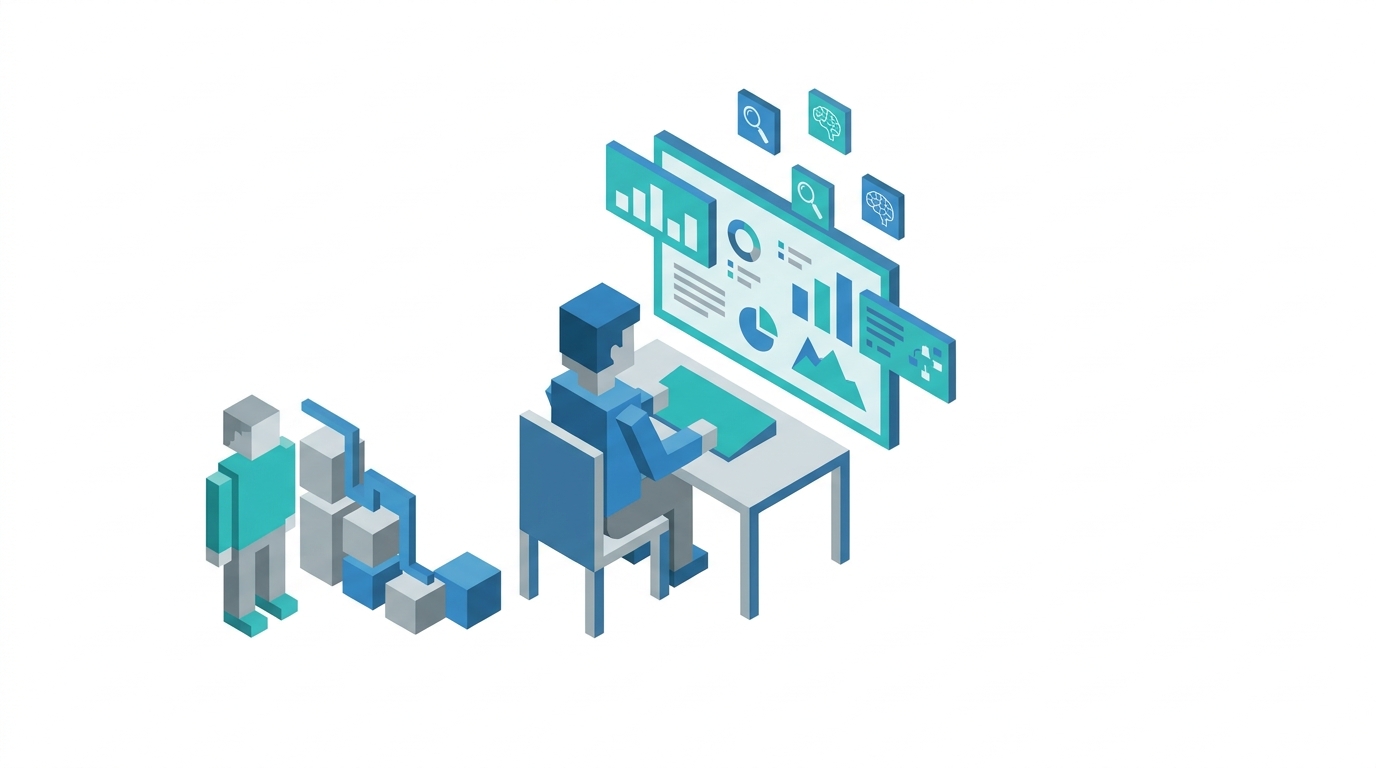
Search just crossed another line.
In the past ten days, Google confirmed that Dynamic Search Ads will be upgraded to AI Max for Search in September, Microsoft rolled out AI Max and new visibility tools for what it openly calls the agentic web, and Google added a split-screen AI Mode experience in Chrome that keeps the AI layer on screen while users inspect websites side by side. That is not a small product update. It is a structural shift in how discovery works.
The old goal was to win the click. The new goal is to be selected by the system before the click, and sometimes instead of the click.
If you run SEO, paid media, or digital strategy for a brand, this changes the work. Query targeting gets broader. Landing pages become machine-readable inputs, not just destinations. Ad performance is shaped by whether an AI layer trusts your offer, understands your page, and decides your brand belongs in the answer flow.
That is the real story behind AI Max. It is not just another automation label from Google or Microsoft. It is the clearest signal yet that search platforms are moving from retrieval engines to recommendation engines.
Here is what changed this week, what most marketers are still getting wrong, and what to do now before the next round of forced migrations hits.
AI Max is the formal end of keyword-first search management
On April 15, PPC Land reported that Google will automatically upgrade Dynamic Search Ads to AI Max for Search campaigns in September 2026. That matters because DSA was one of the last familiar bridges between traditional search intent and automated landing page matching.
AI Max changes the operating model. Instead of using a controlled page-to-query framework, it expands matching using landing page signals, ad copy, and audience data across a wider query space. Microsoft is pushing the same direction. Search Engine Land reported that Microsoft Advertising launched AI Max for Search, Offer Highlights, expanded AI visibility reporting in Clarity, and commerce features designed to help AI agents discover and transact on products.
Both platforms are saying the same thing in different words: manual targeting is giving way to model-driven selection.
A lot of marketers will read that as a paid media story only. I think that is too narrow.
When Google and Microsoft both turn landing page signals into inputs for AI-driven ad matching, content structure stops being a pure SEO concern. It becomes a media performance concern too. The page is no longer just where traffic lands. The page is part of what teaches the system whether you are relevant, credible, and commercially useful.
That is why thin pages, vague headlines, generic service copy, and weak offer framing are becoming more expensive. They are not only bad for conversion. They are bad for selection.
Google is redesigning the click itself
Most commentary about AI search still treats the click like the finish line. Google’s latest Chrome update suggests that assumption is already out of date.
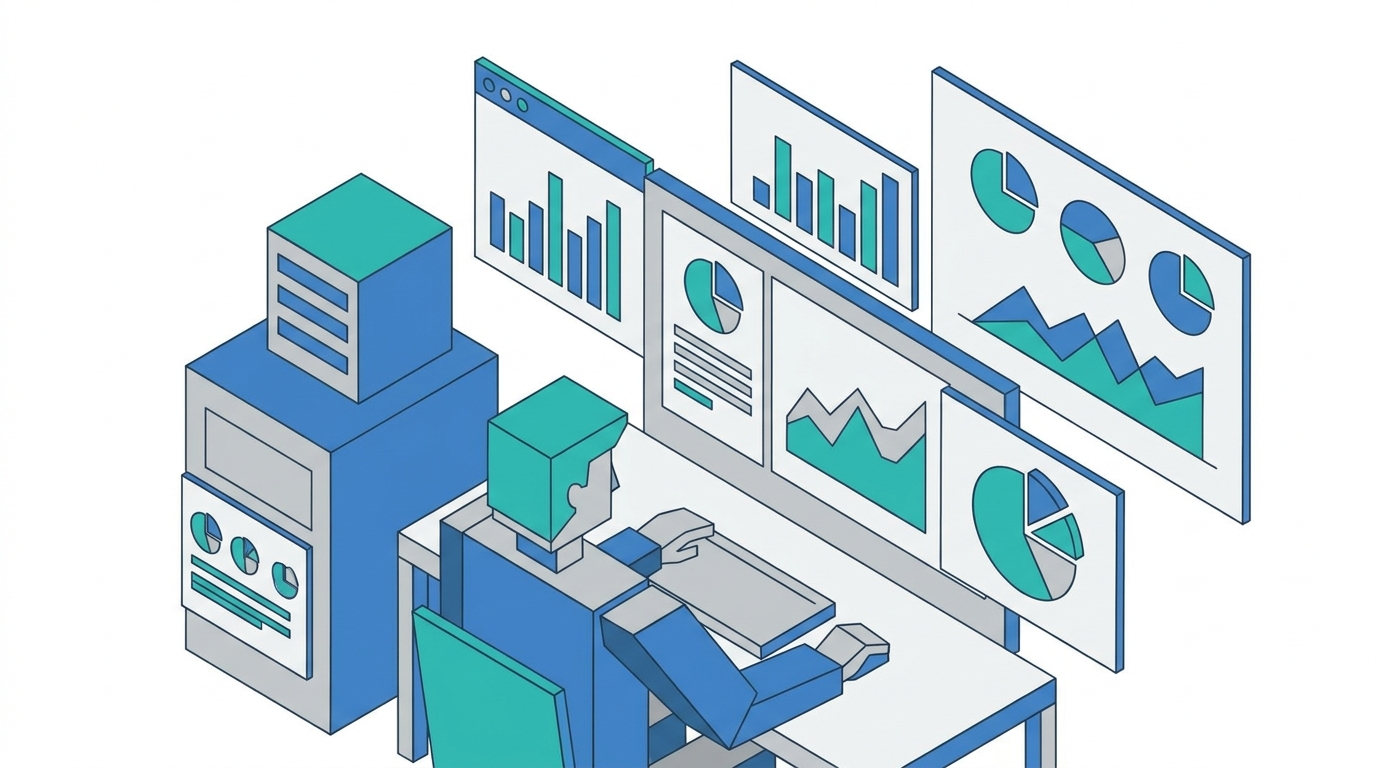
In its April 16 announcement, Google said AI Mode in Chrome now opens pages side by side with the AI interface. Users can also add open tabs, images, and PDFs into the search context. In plain English, Google wants the AI layer to remain present while the user evaluates your page.
That changes at least three things.
First, the click becomes less of a handoff and more of a supervised inspection. Your page is being viewed while the AI assistant remains available for follow-up questions, comparisons, and second opinions.
Second, page clarity matters more than ever. If the AI is helping the user interrogate your offer in real time, weak product explanations and fuzzy service descriptions will get exposed faster.
Third, attribution gets messier. A visit inside an AI-assisted side-by-side experience is not the same as a traditional full-attention website session. PPC Land’s analysis of the Chrome update points directly at the unresolved monetization and analytics questions for publishers.
This is why I do not think the right strategic question is, “How do we preserve the old click-through rate model?”
The better question is, “How do we win in an environment where the AI layer keeps interpreting our brand before, during, and after the visit?”
That is a different optimization problem.
Selection beats ranking when the interface becomes conversational
The phrase I keep coming back to is selection.
Microsoft practically says it out loud. Search Engine Land described the company’s new direction as a move from optimizing for clicks to optimizing for selection. That framing is useful because it explains why classic ranking logic is no longer enough.
Ranking still matters. Crawlability still matters. Technical SEO still matters. Strong paid media setup still matters. None of that disappeared.
But in an AI-mediated search environment, visibility is increasingly determined by whether the system can do four things quickly:
- Understand what your page is about
- Trust the claims on the page
- Extract the key answer, offer, or differentiator
- Match that answer to the user’s intent in context
That is why marketers who only think in keywords are going to miss what is happening.
A keyword strategy can tell you what users ask. It cannot fully tell you what an AI layer will choose to surface.
That choice depends on structure, specificity, authority, corroboration, and clarity. It depends on whether your brand sounds distinct or interchangeable. It depends on whether the system sees your page as a source, a destination, or just another commodity input.
This is also why AI search keeps rewarding brands with stronger entity signals and clearer points of view. Generic content can still get indexed. It is less likely to get selected.
The real risk is not lower traffic, it is invisible commercial intent
A lot of teams are still framing AI search as a top-of-funnel informational issue. That is outdated.
The commercial layer is moving too.
Google is folding DSA into AI Max. Microsoft is expanding AI commerce support and in-conversation offer formats. MarketingProfs summarized this week’s shift by pointing to Microsoft’s push toward AI selection, OpenAI’s move toward CPC ads in ChatGPT, and broader platform investment in agent-driven workflows.
At the same time, PPC Land reported that OpenAI cut ChatGPT ad CPMs from $60 to $25 in nine weeks while building out CPC campaigns and a conversion pixel. That is not just ad pricing trivia. It is a signal that conversational platforms are racing to become performance media channels.
So the problem is not simply that AI Overviews may reduce clicks. The deeper problem is that commercial intent is being intercepted, interpreted, and redirected before the user enters a standard search journey.
If your brand is easy for AI systems to summarize but hard to trust, you lose.
If your brand has strong rankings but weak page clarity, you lose.
If your paid campaigns rely on page breadth without strong message architecture, you may keep spending while losing control.
That is why selection is becoming a revenue issue, not just a visibility issue.
What smart marketers should do now
This is the part that matters.
You do not need to panic, and you do not need to throw away your SEO or paid media playbook. But you do need to update it fast.
1. Audit your highest-value landing pages like they are model inputs
Look at your top service, product, and lead generation pages. Ask a blunt question: if an AI system had to describe this page in one sentence, what would it say?
If the answer would be vague, bloated, or generic, fix the page.
Clear headline hierarchy, direct offer language, specific proof points, transparent differentiators, and well-structured FAQs all make a page easier to interpret. That improves human conversion and machine retrieval at the same time.
2. Tighten the relationship between paid media and content strategy
Paid and organic teams cannot work in separate lanes anymore.
If AI Max uses landing page signals for broader matching, then messaging, content structure, proof, and offer framing influence campaign quality more directly. Your ad team should know which pages are strongest for extraction. Your content team should know which pages support high-value commercial intent.
This is one reason brands that need deeper support are looking at AEO services, not just traditional SEO packages. The work now sits between content, search, measurement, and conversion strategy.
3. Build pages that answer the follow-up question, not just the first query
In a side-by-side AI Mode world, users will compare, challenge, and clarify in real time.
That means pages need to handle second-order questions well. Pricing logic, process explanations, proof, objections, timelines, and expected outcomes should not be buried. If your page only covers the headline keyword but ignores the natural next question, the AI layer will pull that answer from somewhere else.
4. Strengthen source credibility and corroboration
Selection is partly about trust.
That means author credibility, original data, concrete examples, customer proof, external mentions, and consistent brand information across the web matter more. AI systems are much more comfortable surfacing a page when its claims line up with other signals.
This is where case-study-backed content creates an edge. Emarketed has already seen how AI visibility compounds when authority and structure are both strong. Hughes Auctions grew AI mentions by 165% and saw a strong surge in SERP Features as their AEO strategy began pulling in AI Overview placements alongside traditional rankings. That is not an argument for vanity metrics. It is evidence that better machine visibility changes where and how a brand shows up.
5. Update reporting before the old metrics mislead you
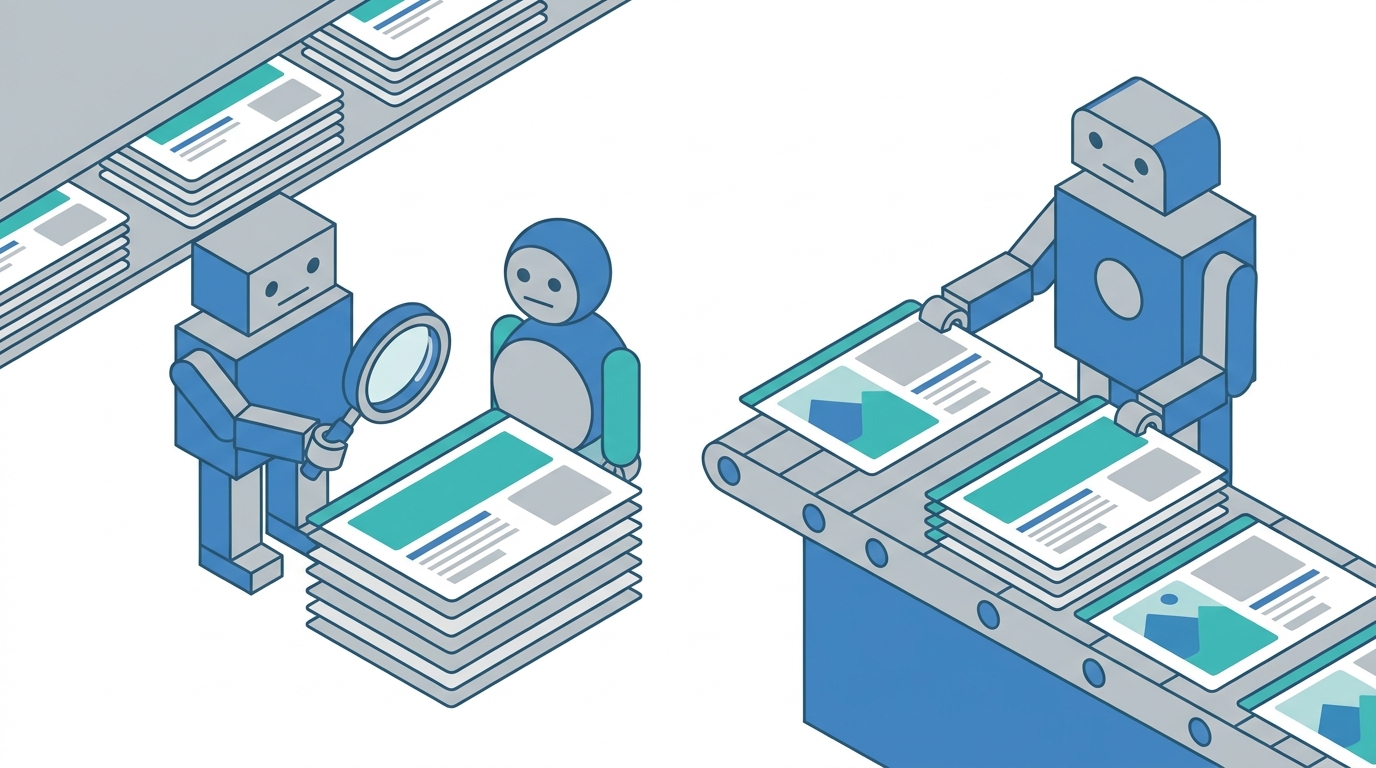
If your dashboard still treats rankings, sessions, CTR, and cost per click as the whole story, it is going to miss what matters.
You need at least a working view of citation visibility, AI mention frequency, assisted branded search lift, lead quality from AI-referred traffic, and page-level performance in zero-click or low-click journeys. The exact setup will vary by brand, but the principle is simple: measure presence where intent is being shaped, not just where sessions are logged.
6. Prepare for forced automation now, not in September
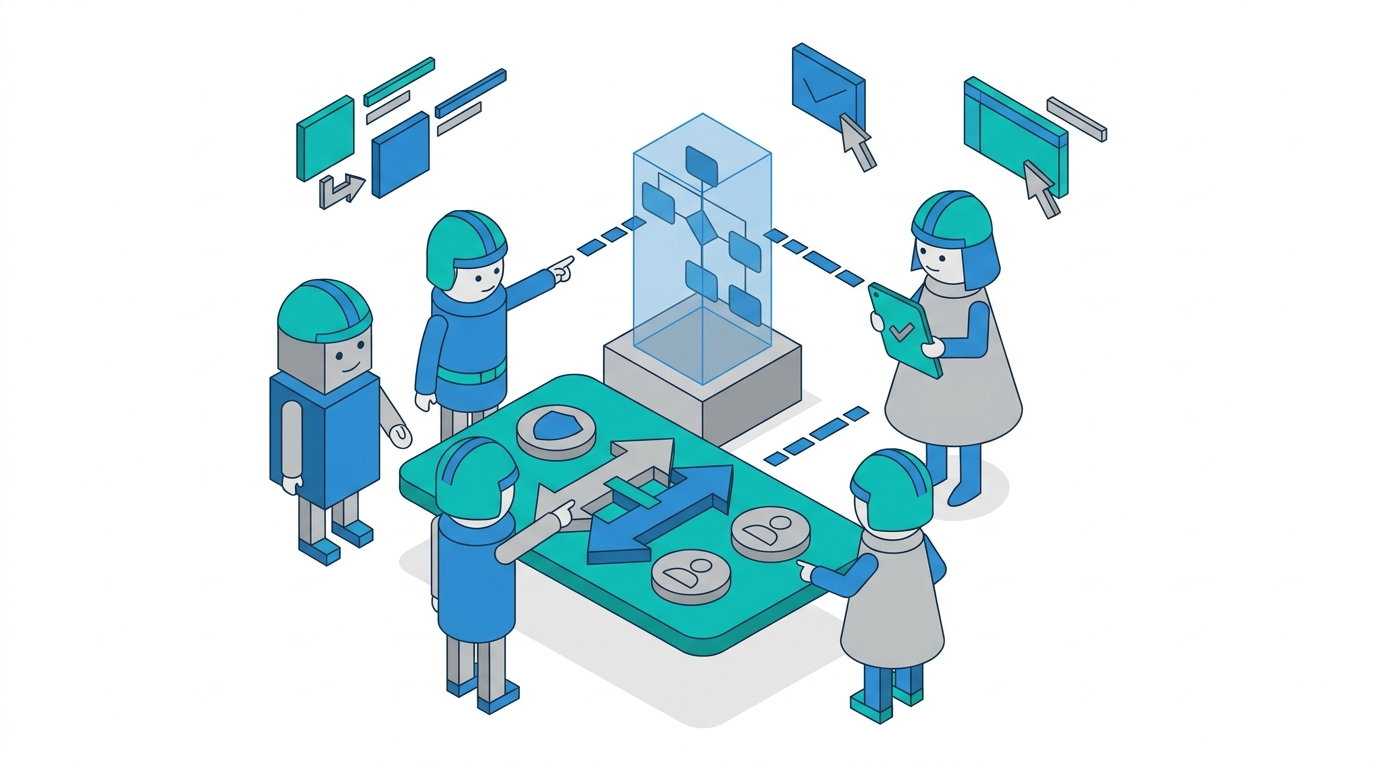
Google already gave the timeline. Existing DSA campaigns will be converted automatically in September.
That gives marketers a few months to review campaign architecture, tighten landing pages, segment weak assets, and test where AI-driven matching helps versus hurts. Waiting until the forced migration happens is the lazy option, and it usually becomes the expensive option.
What most agencies will get wrong about this shift
A lot of agencies will respond to AI Max by saying some version of, “Automation is getting better, so focus on creative and first-party data.”
That is not wrong, but it is incomplete.
The more important shift is that search platforms are abstracting the distance between query, answer, ad, landing page, and transaction. When that happens, the winner is not the brand with the biggest keyword map. It is the brand with the clearest machine-readable commercial story.
That story has to be visible across paid, organic, structured content, and external trust signals.
This is also where average agency content falls apart. Generic service pages written for old-school keyword relevance are not enough. Neither are generic blog posts that summarize industry news without a position.
If you want to be selected by AI systems, your site needs to sound like a real source, not a rearranged version of what everyone else said.
That means stronger POV, clearer proof, cleaner structure, and tighter alignment between what you claim and what the rest of the web says about you.
FAQ: AI Max, AI search, and what marketers should do next
Is AI Max just a new name for search automation?
No. It is a broader shift toward model-driven query matching and AI-mediated decision-making. Automation has been part of search for years, but AI Max pushes further by using page signals, context, and broader intent modeling to determine relevance.
Does keyword research still matter?
Yes, but it is no longer enough by itself. Keyword research still helps you understand audience demand and language patterns. It just does not fully explain how AI systems decide what to surface, summarize, or recommend.
Will AI Max hurt SEO?
Not directly, but it raises the bar for content quality and page clarity. Pages that are vague, thin, or interchangeable may struggle more because AI-driven systems need strong signals to extract and trust the right answer.
What should advertisers review before DSA upgrades to AI Max?
Start with landing pages, message clarity, campaign segmentation, conversion tracking, and page-level proof. If your current campaigns depend on tight URL control or weak pages propped up by manual targeting, you should expect turbulence.
Does this matter for healthcare and other trust-sensitive industries?
Yes, probably more than for most categories. In high-trust industries, selection depends heavily on credibility, clarity, and corroboration. If the AI layer is unsure about your claims, it will often surface safer or better-supported alternatives.
What is the best first step for a marketing team?
Audit the pages closest to revenue. Do not start with a sitewide rewrite. Start with the pages most likely to influence leads, demos, calls, or purchases, then improve structure, proof, specificity, and extractable answers.
The next move is not more content, it is better selection signals
The wrong takeaway from this week is that marketers need to publish more pages because AI is changing search.
The right takeaway is that your existing pages need to become better selection signals.
Google, Microsoft, and OpenAI are all moving toward environments where AI systems help decide what gets surfaced, what gets clicked, and what gets bought. That means the brands that win will not necessarily be the loudest. They will be the clearest, most credible, and easiest to interpret.
If I were leading search strategy this week, I would not spend Monday morning arguing about whether AI Max is hype.
I would pull the top ten money pages, review them like an AI system would, and fix everything that makes selection harder than it should be.