Why Reporting Breaks Before Rankings in AI Search
AI search reporting is breaking before rankings do. Here are the metrics agencies and marketing teams need now to measure visibility, influence, and lead quality.
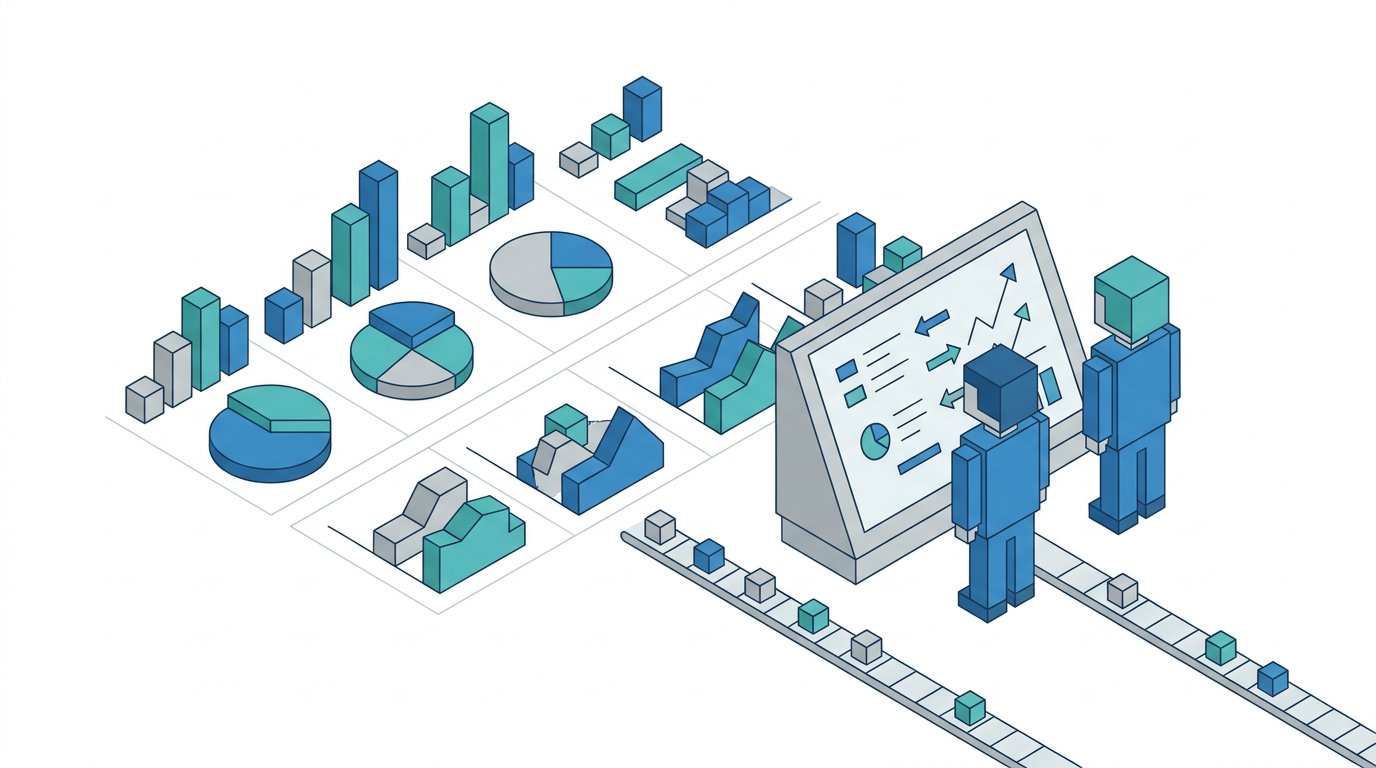
AI search is not breaking rankings first. It is breaking reporting first.
A lot of brands still rank reasonably well. Plenty of agencies can still show a healthy keyword dashboard. But the old reporting stack is getting less honest by the month because discovery, recommendation, and even ad interaction are moving into AI layers that traditional SEO reports were never built to measure.
That shift got harder to ignore this month. Google’s new AI-era Search ad formats push product guidance directly into conversational results, and AI Max now uses Merchant Center feeds, AI Brief inputs, and final URL expansion to match messy, long-tail intent to the page Google thinks fits best. That means more of the decision journey happens before a clean click ever appears in your analytics.
If you run marketing for an agency, healthcare brand, or B2B company, this is the practical takeaway: your rankings can look stable while your reporting gets worse at explaining what search is actually doing for the business.
The reporting problem is now bigger than SEO
The easiest mistake is treating this like a narrow organic traffic story. It is not.
Google is rebuilding both paid and organic discovery around conversational intent. In its May 20 product announcement, Google said AI Mode ads can show up as Highlighted Answers and Conversational Discovery ads, with Gemini generating independent explainers alongside sponsored placements. That is a direct signal that the answer layer is becoming part of the buying journey, not just the search result that happens before it.
On the paid side, Google’s AI Max update matters just as much. AI Max for Shopping is designed to answer conversational queries using feed data, and final URL expansion lets Google choose the destination page it thinks matches the search best. When the platform interprets intent, writes messaging, and routes traffic dynamically, your clean old line between ranking, ad copy, landing page, and attribution starts to blur fast.
That is why the reporting problem shows up before the ranking problem. A rank tracker can still tell you where a page sits. It cannot tell you how often your brand was synthesized into an answer, how often an AI ad reframed the market before the click, or how much influence an AI citation had on a later branded search.
Search visibility is no longer a single surface. It is a stack of answer layers, recommendation layers, ad layers, and destination pages. Reporting that ignores those layers is already behind.
Why old dashboards are becoming less useful
Traditional reporting frameworks assume a fairly simple path:
- a person searches
- they see a list of links or ads
- they click
- the analytics platform gets credit
That model was never perfect, but it was directionally usable. AI search makes it much weaker.
According to Similarweb’s analysis of AI referral traffic, AI platforms drove more than 1.13 billion referral visits in June 2025, up 357% year over year. That sounds massive until you compare it with the 191 billion referrals Similarweb attributes to Google Search in the same period. The point is not that AI has replaced Google. The point is that a fast-growing layer of influence now sits beside traditional search, and most reporting stacks still treat it like a rounding error.
At the software level, the market is reacting the same way. HubSpot’s Spring 2026 Spotlight launch framed AEO as a response to customer organic traffic falling 27% year over year while AI referral traffic tripled. HubSpot did not launch an answer engine optimization product because marketers wanted a new acronym. It launched one because clients need visibility reporting that reflects how discovery is changing.
Conductor’s AgentStack launch sends the same signal from the enterprise side. When major platforms start promising AI visibility infrastructure, reporting automation, and native LLM apps, they are telling you this is no longer an experimental workflow. It is an operating requirement.
That is the real tension in 2026. Rankings are still useful, but they are no longer enough to explain outcomes. A report can say your service page held position three all month and still miss the fact that:
- Google answered the query more aggressively before the click
- an AI recommendation named a competitor more often than your brand
- branded search rose because people saw your name in AI answers first
- the visitors who did arrive converted better because they came in warmer
If you only report the click, you miss the influence.
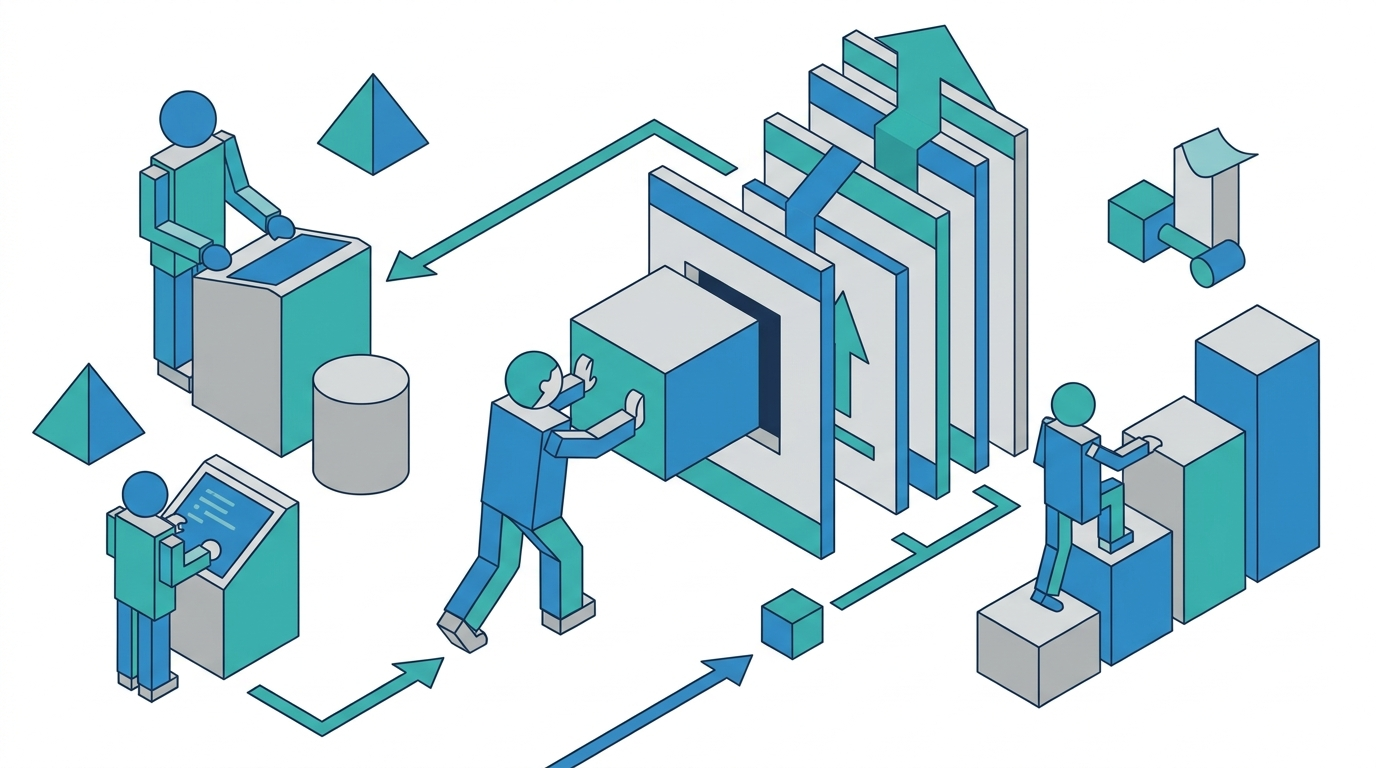
What smart agencies are measuring instead
The fix is not to throw out ranking data. The fix is to stop pretending rankings are the whole story.
The best reporting setups now combine classic SEO metrics with an AI visibility layer and a business-outcome layer.
1. Prompt-level brand presence
Start by testing the prompts that matter in your category, not just the keywords. For healthcare, that might be service-plus-trust queries. For B2B, it might be comparison or vendor recommendation prompts. For agencies, it might be local recommendation prompts plus category expertise prompts.
Track how often your brand appears, which competitors appear, and whether the mention is favorable, neutral, or weak. That gives you a baseline that rankings alone cannot provide.
2. Citation source quality
It matters where the AI system found the answer. Did it pull from your own page, a third-party publication, a directory, a review platform, or a stale forum thread? Good reporting should show the source mix because weak source mix usually leads to weak control over the narrative.
That is also why content structure still matters. Our post on what content gets cited by AI is relevant here: the pages that get reused in AI answers are often the ones that answer clearly, define terms precisely, and make trust easy to verify.
3. Branded search lift after AI exposure
One of the cleanest signals in AI search is not always the first referral. It is the second search.
Users often see a brand in ChatGPT, Gemini, Perplexity, or an AI-enhanced Google result, then search for that brand later. If you are not watching branded search trends, direct traffic quality, and assisted conversions, you are going to undercount what AI visibility is doing.
4. Landing page qualification
Google’s AI Max rollout makes this more important than it was even a month ago. If AI systems are choosing the page, your reporting should show which pages attract qualified traffic, which pages convert after conversational intent, and which pages create friction because they are too vague.
That turns landing page clarity into a reporting issue, not just a CRO issue. A page can get traffic and still be the wrong destination for AI-mediated discovery.
5. Assisted pipeline, not just last-click conversions
Last-click reporting is especially weak in AI search because the recommendation moment and the conversion moment often happen in different systems. The right question is not only, “Did AI send a click?” It is also, “Did AI move the buyer closer to a branded search, form fill, call, or shortlist appearance later?”
That is where agency reporting has to grow up a bit. If the model changed, the scorecard has to change with it.
What this looks like in real client work
At Emarketed, we have seen the value of durable visibility signals in categories where trust matters more than raw traffic. Seasons in Malibu holds 4,200+ keyword rankings and 814,230 social impressions in a recent month across a full-service program that includes SEO, AEO, paid search, social, and web. Its AI mentions also climbed from 49 to 122, while cited pages rose from 122 to 190.
That kind of result is useful because it shows the modern search journey is not linear. A prospective patient or family member may encounter the brand through an AI answer, verify it through search, see supporting proof on social, and convert through a different channel later. If your reporting model only respects the last click, you will tell the story badly.
This is one reason healthcare marketers need more than generic SEO reporting. High-consideration categories are exactly where AI influence tends to show up before clean attribution does. If you want a better operating model for that shift, our AEO services work is built around making brands easier for AI systems to understand, trust, and cite.
The practical reporting stack for the next six months
Most teams do not need a giant new dashboard tomorrow morning. They need a cleaner weekly and monthly habit.
Here is the lean version that actually works:
- Pick 20 to 30 prompts tied to real commercial intent.
- Check them across the AI surfaces your buyers use.
- Record brand mentions, competitors, cited sources, and answer framing.
- Compare that data against branded search movement, lead quality, and assisted conversions.
- Review which pages are being cited or chosen most often, then improve the weak ones first.
This should sit next to your ranking report, not replace it. But the weighting has changed. Rankings are now one layer of evidence. They are not the whole explanation.
The agencies that adjust first will be harder to fire because they can explain why numbers moved. The agencies that keep shipping old SEO reports will keep getting hit with the same uncomfortable question: “If rankings are fine, why does this feel weaker than it used to?”
That question is only going to come up more often.
FAQ
Are rankings still worth tracking in 2026?
Yes. Rankings still matter, especially for pages tied to revenue. The problem is treating them as the primary explanation for search performance when AI answer layers are changing how people discover, compare, and choose.
What is the first AI search metric a marketing team should add?
Prompt-level brand presence is usually the best starting point. It is manual at first, but it immediately shows whether your brand is appearing in the recommendation and answer moments that shape later clicks.
Why does reporting break before traffic fully collapses?
Because AI changes how influence happens before it changes every visible outcome. Users can encounter your brand in an answer, ad explainer, or recommendation flow long before your dashboards show a clean referral path.
Do AI referrals matter if they are still small compared with Google?
Yes, because growth and intent matter. Similarweb’s numbers show AI referrals are still much smaller than Google referrals, but they are growing quickly and shaping discovery behavior now. Waiting until the volume is huge means waiting until competitors have already built an advantage.
Is this mainly an agency problem?
No. Agencies feel it first because they have to explain performance to clients every month, but in-house teams face the same issue with executive reporting, budget decisions, and lead attribution.
What should a CMO do on Monday morning?
Add one AI visibility section to the monthly report. Keep it simple: target prompts, brand presence, competitor presence, citation sources, branded search movement, and assisted conversion notes. That is enough to expose the gap and start managing it.
What happens next
More of the search journey will move into interfaces that summarize, compare, and recommend before the click. Google’s latest ad announcements make that plain, and the software market is already reorganizing around it.
That does not mean rankings are dead. It means they are no longer the earliest warning sign.
Reporting breaks first because it is the first layer forced to explain a search journey that no longer behaves like a list of links. The teams that accept that now will make better decisions about content, landing pages, paid media, and attribution. The teams that do not will keep mistaking stable rankings for healthy visibility.