Artificial Intelligence Marketing Platform: What It Is, What It Does, and How to Choose One
Discover how an AI marketing platform can enhance decision-making, boost campaign performance, and streamline workflows. Learn to choose the right one for your needs.
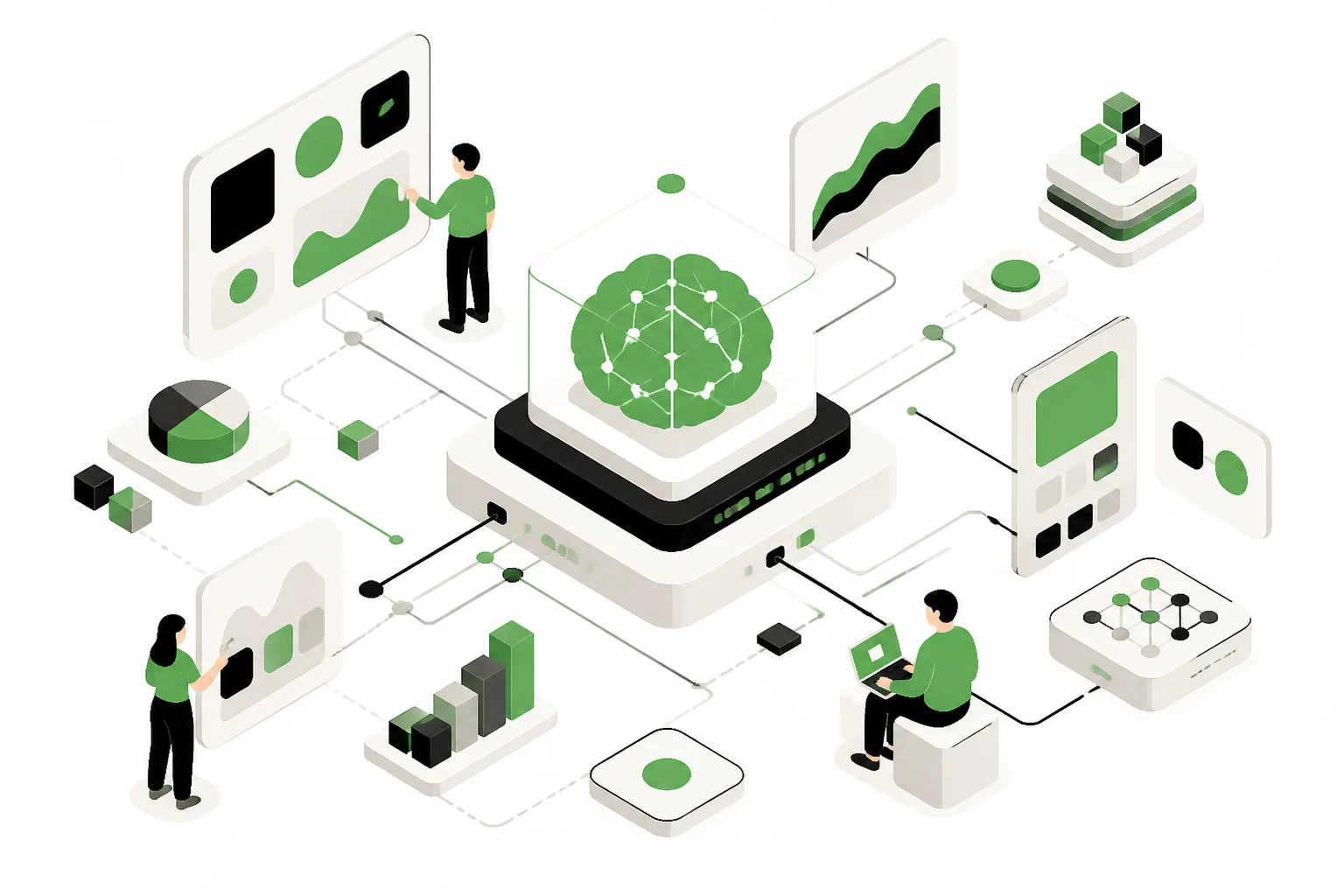
An artificial intelligence marketing platform should do more than generate copy or automate a few tasks. The right platform helps you make faster decisions, improve campaign performance, reduce manual work, and connect data across channels without turning your team into tool managers.
That is the real standard. If a platform saves time but creates more review work, more fragmentation, or more bad output, it is not helping your marketing. It is just adding software.
For agency owners, healthcare teams, B2B marketers, and local businesses, AI can be useful fast, but only when it is tied to clear workflows: content planning, paid media testing, reporting, SEO, answer engine visibility, lead qualification, and conversion optimization. If you are still evaluating options, this guide will help you understand what an AI marketing platform should actually include, where it fits, and what to watch before you buy.
What An Artificial Intelligence Marketing Platform Actually Means
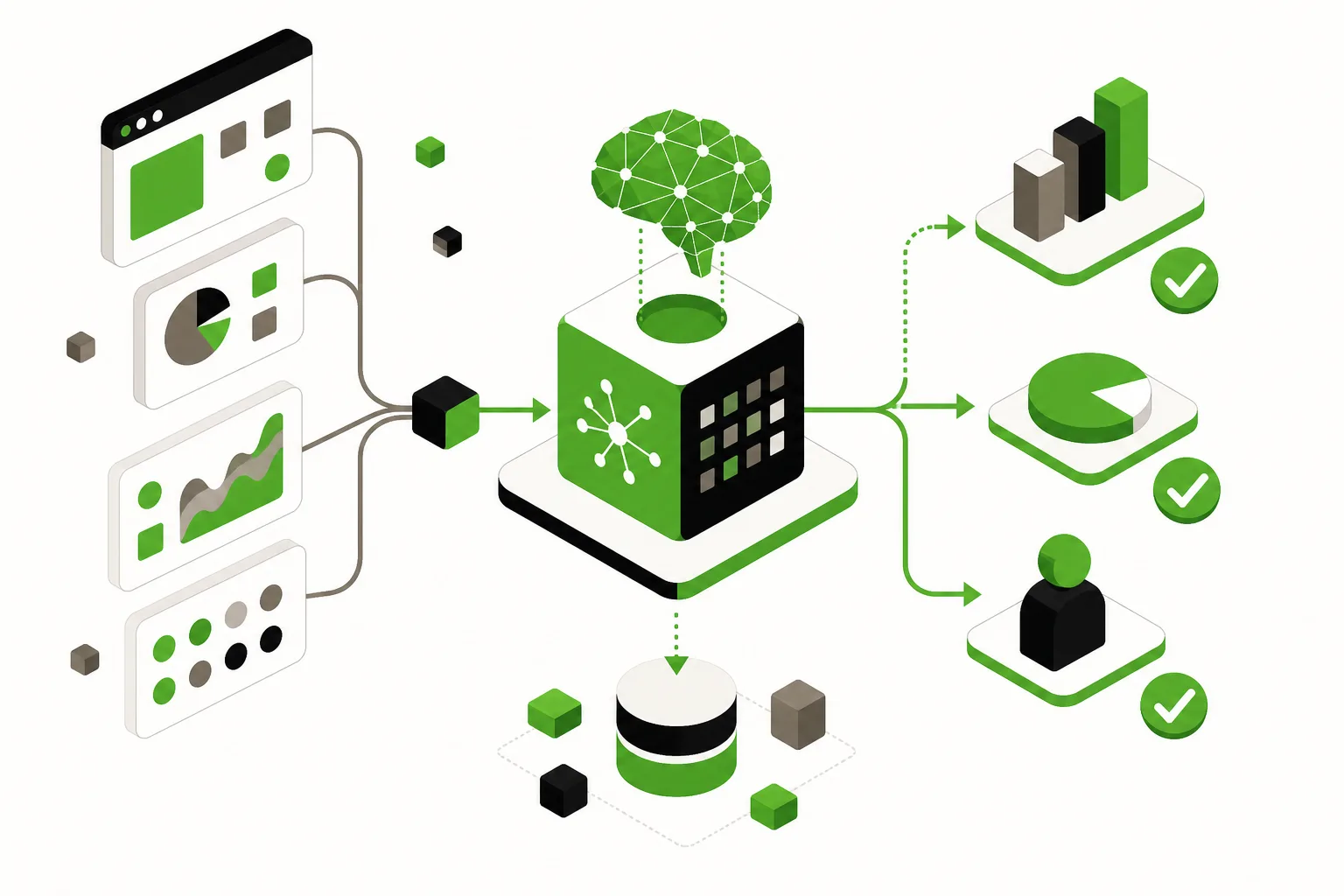
An artificial intelligence marketing platform is a system that uses machine learning, automation, predictive analysis, and generative AI to support marketing work. In plain terms, it helps teams produce, analyze, optimize, and scale campaigns with less manual effort.
That can include:
- Content generation and content briefs
- SEO recommendations and topic clustering
- Paid media optimization
- Email segmentation and personalization
- Lead scoring and CRM enrichment
- Performance reporting and forecasting
- Brand visibility tracking in AI search tools
The strongest platforms do not try to replace strategy. They support strategy by speeding up execution and surfacing patterns humans would miss or take too long to find.
Why Businesses Are Adopting AI Marketing Platforms
Marketing teams are under pressure from every direction: more channels, higher content demand, tighter budgets, and rising expectations around reporting. AI platforms are getting attention because they can compress work that used to take days into hours.
That matters for small and mid-sized businesses in particular. A lean team can use AI to compete more effectively without hiring a specialist for every channel.
Efficiency Is Only Part Of The Value
Speed gets most of the headlines, but better decision-making is often the bigger gain. AI can identify campaign trends, audience segments, content gaps, and keyword opportunities much faster than manual analysis.
For example, if your team is building an SEO and content program, a platform that supports clustering, authority mapping, and prompt workflows can tighten the process considerably. Tools like the AI Topic Authority Builder and the AI Prompt Generator for SEO show how AI becomes more useful when it is tied to a specific marketing outcome rather than treated like a novelty.
AI Search Has Changed The Job
Another reason these platforms matter now is that search behavior is changing. Brands are no longer competing only for classic search rankings. They are also trying to appear in AI-generated answers, summaries, and recommendation engines.
That is where answer visibility, structured content, and authority signals become part of the platform conversation. If your business depends on discoverability, it is worth understanding how AI search works and where your brand currently stands. A practical starting point is this guide to Generative Engine Optimization.
The Core Features That Matter Most
Most AI marketing platforms advertise long feature lists. Ignore the volume and focus on the functions that affect revenue, workflow, and visibility.
Data Integration
If the platform cannot pull from your website, CRM, ad channels, analytics stack, and content systems, it will operate in a partial view of reality. That leads to weak recommendations and disconnected reporting.
Good AI depends on good inputs. A platform with poor integration is often just a fancy interface sitting on top of incomplete data.
Content And SEO Support
Many businesses first adopt AI for content production, but raw content generation is not enough. You want support for research, briefs, internal linking, optimization, and topic planning, not just first drafts.
If organic growth matters to your business, pair platform evaluation with a stronger understanding of what still drives rankings. This SEO guide for small business is useful for separating real SEO value from AI-generated noise.
Paid Media Optimization
AI is especially useful in paid search and social advertising because it can process large volumes of performance data quickly. Bid adjustments, audience analysis, creative testing, and budget allocation all benefit from automation when there is a human actively steering strategy.
What you do not want is blind automation. Platforms should make recommendations transparent, not hide them behind vague scoring systems.
Workflow Automation
Strong platforms remove repetitive work: reporting, tagging, routing leads, drafting briefs, summarizing calls, and surfacing anomalies. This is where AI can create immediate operational value even before it improves top-line performance.
Brand And AI Search Visibility Monitoring
This is one of the more overlooked categories. If people are using ChatGPT, Perplexity, Google AI Overviews, or similar tools to research vendors, your brand presence inside those systems matters.
A useful platform should help you understand whether your company is being cited, mentioned, or ignored. The AI Brand Presence Checker is a simple example of this kind of visibility check.
Where These Platforms Work Best
Not every business needs the same AI setup. The best use cases depend on complexity, channel mix, and sales model.
Agencies
Agencies benefit from AI when they apply it to repeatable systems: reporting, research, content briefs, ad variation testing, and internal process documentation. The gain is not just speed. It is margin protection.
If your team is still doing too much manual prep work before strategy can begin, AI can help clean that up.
B2B Companies
B2B marketers often deal with longer sales cycles, smaller audiences, and more complex buyer journeys. AI platforms can help score leads, personalize content paths, identify intent signals, and support account-based campaigns.
The best fit here is usually a platform that integrates tightly with CRM and sales data, not just one that writes blog posts.
Healthcare And Regulated Industries
Healthcare organizations need more control, more review, and more accuracy. AI can still be useful, especially for SEO, local visibility, intake workflows, and reporting, but compliance matters more than speed.
That makes human oversight non-negotiable. In regulated categories, a platform should support governance, not bypass it.
Local And Regional Businesses
For local businesses, AI is often most valuable in content planning, review analysis, local SEO support, FAQ generation, and conversion rate improvements. If your visibility depends on location-based searches, AI should reinforce your local strategy, not distract from it.
What To Watch Out For Before You Commit
The AI marketing space is crowded, and a lot of products are oversold. A polished demo is not the same thing as operational value.
Generic Output
If the platform produces content that sounds like everybody else, you are not building an advantage. You are contributing to the flood of interchangeable marketing.
Brand voice, editorial standards, and subject matter expertise still matter. AI should accelerate good thinking, not replace it with average writing.
Weak Attribution
Many platforms claim they improve performance but make it hard to verify what actually changed. If reporting is vague, you will struggle to justify spend or refine strategy.
Too Much Automation, Not Enough Control
Automation without review can create compliance issues, brand inconsistency, and wasted budget. This is especially risky in healthcare, legal, finance, and high-cost lead generation environments.
Tool Sprawl
One more platform is not always the answer. Sometimes the smarter move is to simplify your stack and choose a system that supports the workflows you already know matter.
If you are comparing options and trying to avoid common implementation mistakes, this resource on common mistakes with AI marketing agents is worth reading.
How To Evaluate An AI Marketing Platform
Keep the evaluation process practical. Do not buy based on feature count. Buy based on fit.
- Define the job first: Decide whether you need help with SEO, content, paid media, reporting, lead management, or AI search visibility.
- Audit your current bottlenecks: Find the tasks draining time or causing inconsistency.
- Check integration requirements: Make sure the platform connects to the systems your team already uses.
- Test output quality: Review content, recommendations, and reporting with a skeptical eye.
- Measure business impact: Track time saved, lead quality, conversion lift, and visibility gains.
It also helps to benchmark your current digital foundation before layering on AI. If your site is slow, poorly structured, or technically messy, no platform will fix the underlying problem for you. Running a baseline review with a website audit tool can clarify what needs attention first.
FAQ
Is An Artificial Intelligence Marketing Platform Worth It For Small Businesses?
Yes, if it solves a real workflow or performance problem. For small businesses, the best value usually comes from content planning, SEO support, reporting automation, and lead handling, not from buying the biggest all-in-one system.
Can AI Marketing Platforms Replace Human Marketers?
No. They can reduce manual work and improve speed, but strategy, positioning, creative judgment, and compliance review still need people. The strongest teams use AI as support, not as a substitute for expertise.
What Is The Difference Between An AI Tool And An AI Marketing Platform?
An AI tool usually handles one task, such as writing ad copy or generating prompts. A platform connects multiple functions, data sources, and workflows in one system, ideally with reporting and automation built in.
How Do I Know If My Brand Is Visible In AI Search?
You need to test it directly. Traditional rank tracking does not fully answer that question. Visibility tools that check whether AI systems mention or recommend your brand can give you a clearer picture.
What Should I Prioritize First When Adopting AI In Marketing?
Start with one use case that has measurable value, such as content operations, paid media optimization, or lead scoring. Prove impact there, then expand.
The Smart Next Move
If you are researching an artificial intelligence marketing platform, do not start with vendor promises. Start with your marketing bottlenecks, your data quality, and the channels that actually drive revenue.
Then choose technology that supports those priorities, whether that means AI-assisted SEO, answer engine optimization, paid media automation, or better reporting. If your team needs a clearer path for evaluating AI across search, content, and visibility, explore Emarketed’s Answer Engine Optimization services or review the broader mix of digital marketing services to see what fits your growth model.