Google Personal Intelligence Just Changed What Brand Strategy Means
Google's Personal Intelligence rolled out to all free US users on March 17. Here's what it means for brand visibility, search rankings, and your content strategy right now.

On March 17, 2026, Google expanded Personal Intelligence to all free US users across AI Mode, Gemini, and Chrome. Not a beta. Not a paid feature. Every Google user in the US now gets search results shaped by their Gmail history, Google Photos, Chrome browsing data, and purchase records.
This is the part most marketing teams haven’t fully processed yet: the search result your prospect sees is no longer the same one your competitor sees, or that your client’s past patient sees. The SERP just became a personalized feed. And that changes what brand strategy actually means.
What Personal Intelligence Actually Does
Personal Intelligence is not just a smarter autocomplete. According to Google’s official announcement, it connects a user’s Google apps to “give tailored responses, like shopping recommendations based on past purchases or custom travel itineraries,” without the user having to ask.
In AI Mode specifically, this means:
- A user searching for “best addiction treatment center near me” gets results weighted by their past search behavior, location history, and any related emails in their inbox
- A patient researching a medical practice sees recommendations informed by their prior healthcare searches and engagement
- A prospective client evaluating agencies gets AI answers shaped by the brands they’ve already interacted with
Per 9to5Google, Personal Intelligence “retrieves details about your preferences from text, photos, and videos to customize the Gemini or AI Mode answer without you having to specify in the prompt.” The opt-in requirement exists, and American Bazaar Online notes that privacy discussions have reignited, but adoption among regular Google users will be substantial, particularly among the audience already trusting AI Mode for research-heavy queries.
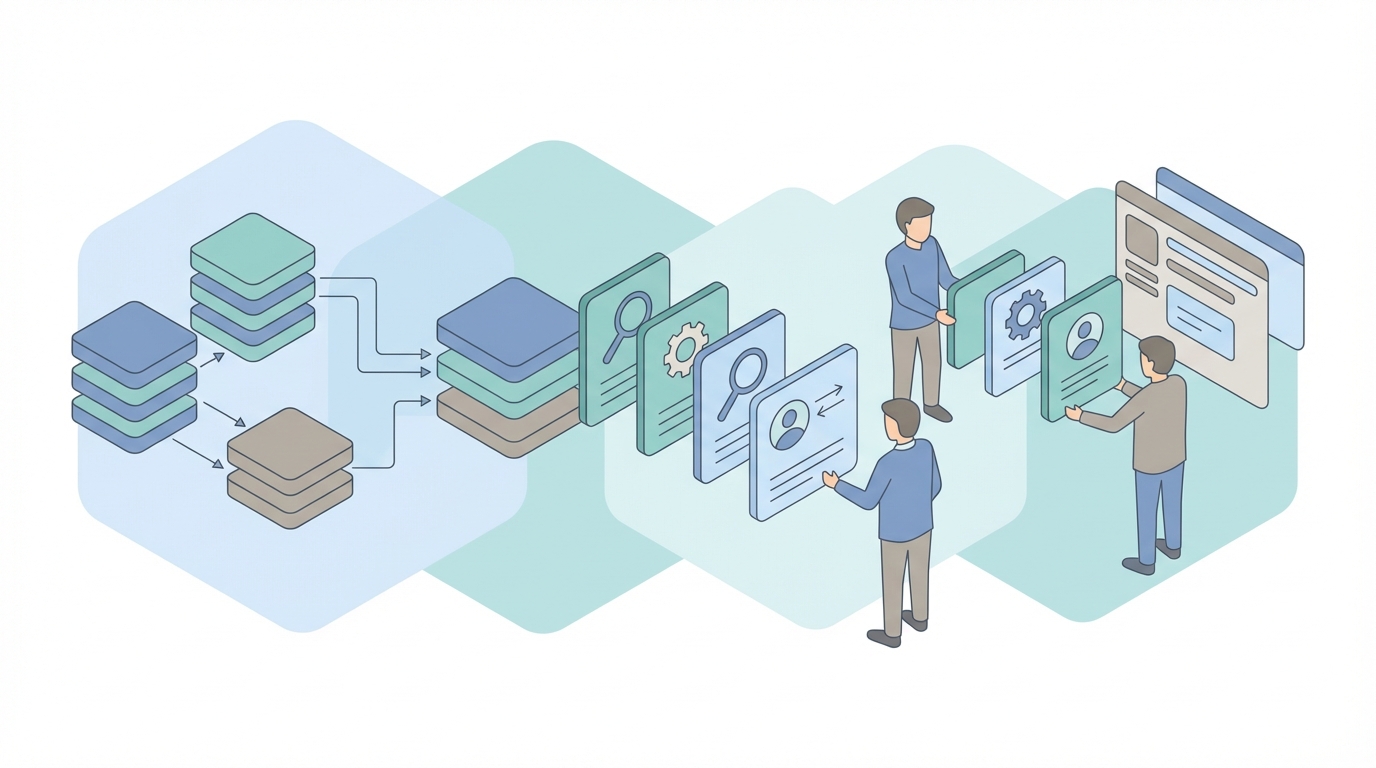
For marketers, the implication is stark: brand recognition now filters the AI’s answer. The brands users have encountered before, searched before, clicked before, and engaged with before are the brands AI Mode surfaces in personalized results.
Why This Breaks the “Optimize for Keywords” Model
For years, the core mental model for organic search was simple: rank for the right terms, appear in front of the right intent. Personal Intelligence blows a hole in that model.
Keyword ranking still matters. It’s not dead. But it now competes with a personalization layer that Google controls. If a user has never encountered your brand, a highly personalized AI Mode result may not surface you, even if you rank well on a traditional keyword basis.
Search Engine Land’s analysis of AI Mode’s ad strategy notes that Google is playing a long monetization game with AI Mode, and mature ad systems combined with deep personalization give Google a structural advantage over competitors like ChatGPT. The business model depends on users trusting AI Mode results enough to act on them, and personalization is the mechanism that builds that trust.
AI Mode hit 75 million daily active users by December 2025, reported by position.digital’s AI SEO statistics. That number has only grown since Google rolled out Personal Intelligence to free accounts. We’re not talking about an edge-case product. We’re talking about a search surface that rivals traditional Bing in daily reach, now personalized for every user.
The old playbook: create content, earn links, rank for queries.
The new playbook: be the brand users recognize before they ever type a query.
What Marketers Need to Change Right Now
1. Invest in Brand Signal Density
If Personal Intelligence favors brands users have encountered before, your job shifts from “rank first” to “appear consistently across the contexts where your audience lives.” That means:
- Paid search as brand priming, not just conversion. Even if a branded campaign drives zero direct conversions, it conditions users to recognize your brand before they enter AI Mode. That recognition now carries forward into personalized results.
- Email as a ranking signal. If your brand name appears in a prospect’s inbox, Gmail data can influence their AI Mode results. Email campaigns, newsletters, and transactional communications are no longer just retention tools. They’re now part of your organic search ecosystem.
- YouTube and image search visibility. Personal Intelligence pulls from Google Photos and YouTube history. A presence in video search and image search creates brand exposure that feeds back into AI Mode personalization.
2. Structured Data and Authority Content Become Non-Negotiable
Personalization amplifies existing authority signals. Google doesn’t invent relevance from nothing. It weights brands that already have strong structured data, citation profiles, and authoritative content. If your site lacks FAQ schema, review schema, and organization markup, you’re invisible to the layer that Personal Intelligence uses to decide which brands to surface.
This is why AEO (answer engine optimization) matters more than ever. The brands winning in AI Mode are the ones whose content is structured to answer specific questions. When AI Mode needs to personalize a result for a user with clear healthcare intent, it doesn’t pick randomly among authoritative sites. It picks the ones with the most retrievable, well-structured answers. Our guide to AEO strategy for healthcare organizations walks through the specific content formats that earn those citations.
3. Retargeting Budgets Belong in “Brand Memory” Strategy
The traditional retargeting argument is: “bring back users who didn’t convert.” The new argument is: “build brand recall that shows up in AI-personalized search.” A user who saw your ad six times but didn’t click still has your brand in their behavioral history. Personal Intelligence may surface you to them in AI Mode because of that exposure.
This reframes retargeting as long-term brand infrastructure, not just a conversion tool. Agencies that communicate this to clients will stand out. The ones still pitching retargeting as “closing the loop” are missing the bigger shift.

The Healthcare Marketing Angle
Healthcare marketers are facing a specific version of this challenge that’s worth naming directly.
When a person searches for addiction treatment, mental health support, or specialist care in AI Mode, their results are now filtered through their entire search and behavioral history. That means:
- A user who searched for a specific condition months ago may get AI results weighted toward clinical authority rather than paid placement
- A user who opened a healthcare email newsletter from your practice has a higher chance of seeing your brand in their personalized AI results
- Competing on traditional keywords alone, without building the broader brand signal footprint, means accepting a diminishing slice of a personalized search landscape
The practices and healthcare organizations that invested in content authority, earned media, and email engagement in 2024 and 2025 are the ones that Personal Intelligence will favor in 2026. The ones that didn’t are competing for a shrinking pool of non-personalized results.
The March 2026 Core Update Connection
This launch didn’t happen in isolation. The March 2026 Core Update hit 55% of monitored websites, according to tracking data from the same week Google rolled out Personal Intelligence broadly. The update appears to favor content that demonstrates genuine expertise and authority, with particular scrutiny on thin content and pages that exist primarily to rank for queries rather than serve user intent.
That’s not a coincidence. It’s a consistent direction: Google is building a search engine where brand authority and content quality feed the personalization engine. The update penalized the thin stuff. Personal Intelligence rewards the brands that built real signals.
If your site took a traffic hit this month, the answer is not to “recover” by rebuilding the old SEO playbook. The answer is to audit where your brand signal density is weak and address those gaps systematically.
What to Do This Week
The shift is real and it’s moving fast. Here’s what’s actionable right now:
Audit your structured data. Run your site through Google’s Rich Results Test. Every service page and content page that lacks FAQ schema or organization markup is a missed signal in the personalization layer.
Review your email contact strategy. If you’re not sending a regular newsletter or content digest to your prospect and customer list, start. Even low-open-rate emails contribute to brand presence in Gmail history, which now feeds AI Mode personalization.
Expand your paid strategy brief. The next time a client asks why their branded CPCs matter, the answer includes: brand recall now shows up in organic AI search through Personal Intelligence. That’s a new, specific, defensible argument for brand investment.
Check your AI Mode visibility. Search for your key terms in AI Mode yourself. Is your brand showing up? If not, that’s the gap you’re filling. Use tools like our Brand Presence Checker to get a baseline reading.
Document your authority signals. Where does your brand appear in third-party coverage, citations, directories, and reviews? That coverage is now more valuable than it was three months ago. Map it, identify gaps, and build a plan to earn more.
Frequently Asked Questions
What is Google Personal Intelligence? Google Personal Intelligence is a feature that connects a user’s Google apps (Gmail, Photos, Chrome, past searches) to personalize their AI Mode and Gemini responses. Rolled out to all free US users on March 17, 2026, it allows Google to tailor search results based on individual behavioral history without requiring the user to specify preferences in their query.
Does Personal Intelligence affect SEO rankings? Personal Intelligence doesn’t change traditional organic rankings directly. It adds a personalization layer on top of AI Mode results, meaning users see AI-generated answers weighted by their past behavior. Brands with stronger recognition and behavioral presence in a user’s history are more likely to be surfaced in personalized AI Mode results.
Do users have to opt in to Personal Intelligence? Yes. Google implemented an opt-in protocol requiring users to grant permission before Personal Intelligence accesses their personal data. However, with broad rollout to all free accounts and Google’s track record of driving feature adoption, opt-in rates among active Google users are expected to be significant.
How does this affect healthcare marketing specifically? Healthcare queries are often high-intent and research-heavy, meaning users spend weeks or months gathering information before making decisions. Personal Intelligence can surface brands that appeared in prior searches and emails during that research period, giving healthcare organizations with strong content authority and email presence a significant visibility advantage in AI Mode.
What’s the relationship between AI Mode and traditional Google Search? AI Mode is a distinct interface within Google Search that generates conversational, synthesized answers rather than traditional blue links. With 75 million daily active users as of December 2025, it operates alongside traditional search results. Personal Intelligence applies specifically to AI Mode responses, not traditional organic results.
Should agencies change how they report on brand performance? Yes. If Personal Intelligence means brand awareness now directly influences AI search visibility, traditional metrics like organic keyword rankings need to be supplemented with AI Mode visibility tracking, brand mention monitoring, and share-of-model metrics. Clients who don’t see those numbers yet don’t understand what’s changing.
The playbook that built most agencies’ current client results was written for a search engine that delivered the same results to everyone. That assumption is gone. Monday morning, the most useful thing you can do is pull up AI Mode, search your clients’ most important queries, and see what Google is actually showing. The gap between what you see and what your prospect sees is the new competitive frontier.